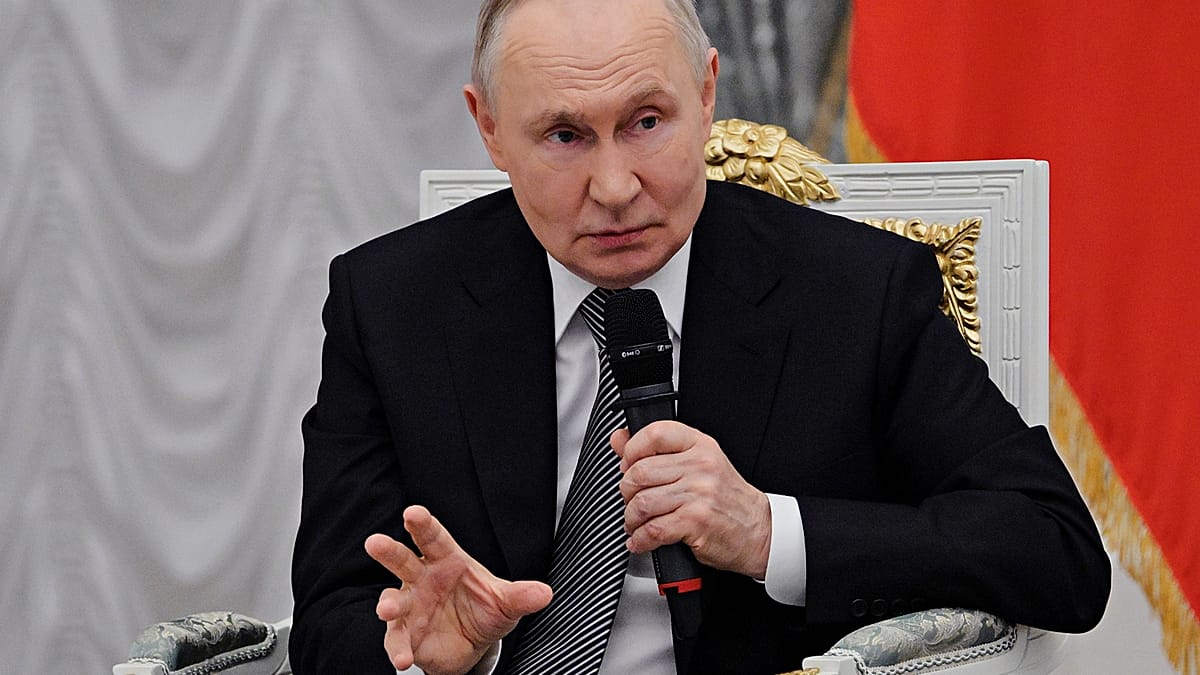
EU countries, including Germany, France, Spain, Poland and others, summoned Russian ambassadors after Moscow urged diplomats in Kyiv to leave "as soon as possible" ahead of fresh air strikes. European governments rejected the threat and said their embassies would remain open, while Russia doubled down through Dmitry Medvedev. The episode heightens geopolitical तनाव around the war in Ukraine and reinforces a risk-off backdrop for European assets.
This is less about the immediate battlefield and more about a regime shift in European diplomacy: Moscow is signaling that diplomatic assets in Kyiv are no longer treated as protected, which raises the probability of miscalculation and forces capitals into a harder security posture. The market implication is not broad risk aversion per se, but a higher floor on Europe’s defense and internal security spend over the next several quarters, especially for air defense, counter-drone, base hardening, secure comms, and logistics resilience. That is constructive for suppliers with scarce capacity and exposed for firms dependent on a quick normalization of Eastern European operating conditions. The second-order effect is on policy optionality. Any perception that direct talks are being weaponized by intimidation makes European leaders less willing to pursue détente, which extends the timeline for sanctions persistence and procurement urgency. That favors primes and select mid-caps with NATO-linked order books, but it also pressures European industrials with energy-sensitive cost bases if escalation keeps regional risk premia elevated and insurance/freight costs sticky. The relevant horizon is months, not days: the budget effects and contract awards will matter more than headline volatility. The contrarian point is that this may be tactically escalatory but strategically stale; markets may already be pricing a high baseline of conflict persistence, so the trade is not to chase broad Europe hedges here. The cleaner expression is to buy the underappreciated beneficiaries of prolonged European rearmament while fading any hope of a diplomatic repricing. If the situation de-escalates unexpectedly, the most vulnerable longs are names levered to urgent air-defense replenishment and border-security spend, where order timing could slip rather than disappear.
AI-powered research, real-time alerts, and portfolio analytics for institutional investors.
Request DemoOverall Sentiment
strongly negative
Sentiment Score
-0.60
Ticker Sentiment
