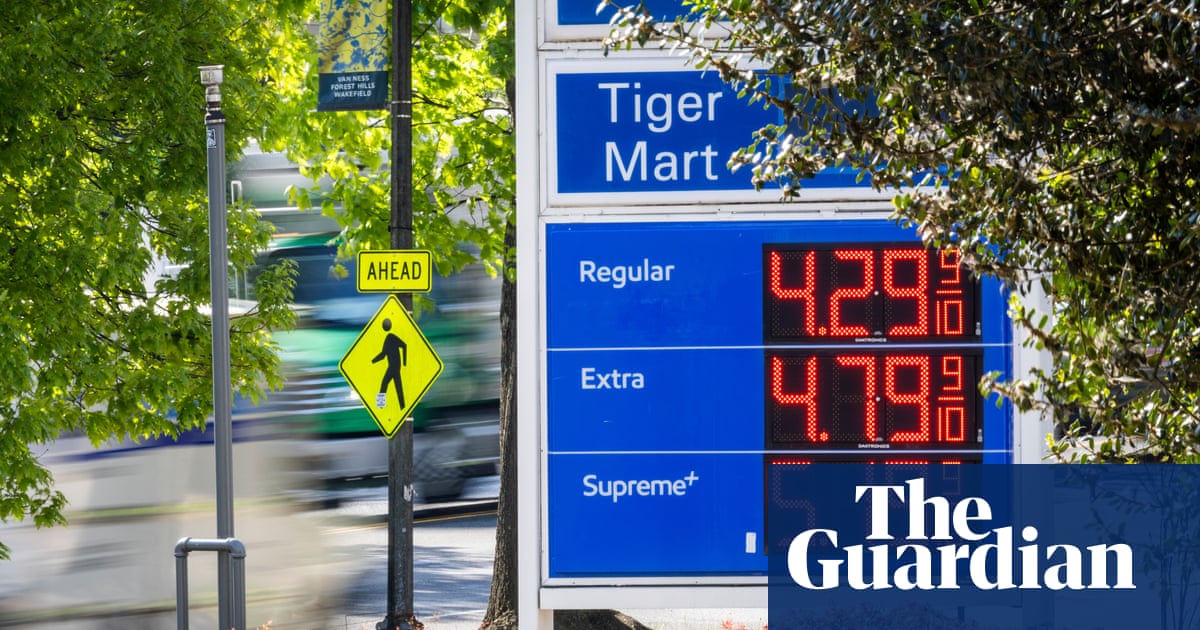
US average gasoline prices hit $4.18/gallon, the highest in four years and about $1 above year-ago levels, as stalled Iran-related peace talks and strait of Hormuz tensions keep crude elevated. Brent crude reached $111/barrel and WTI was near $100/barrel, supporting western oil producers while pressuring consumers and import-dependent economies. BP said first-quarter profits more than doubled to $3.2bn, underscoring the earnings tailwind from higher oil prices.
The immediate winners are upstream producers with unhedged exposure and weak domestic currency cost bases, but the more important second-order trade is in logistics and refining. Sustained elevated crude feeds a margin transfer from consumers to producers, yet the lagged hit to discretionary spending typically shows up first in autos, airlines, and retail within 1-2 quarters, not immediately. That creates a window where energy equities can keep outperforming even as the macro damage is still underpriced.
The geopolitical setup matters more than the level: the market is pricing a supply risk that is binary in the near term and path-dependent over months. If maritime flows normalize, a fast mean-reversion in Brent can be violent because positioning has likely crowded into “higher for longer” protection; if the standstill persists, prompt barrels should stay tight and backwardation will keep supporting cash flows even if headline prices stop rising. The UAE exit also signals that the cartel’s cohesion risk is rising, which can eventually turn into a production-share fight rather than a price-defense regime.
A key contrarian angle is that $100+ oil is usually self-defeating unless the supply shock is prolonged. The demand destruction channel is underappreciated because it starts in margined businesses, not the consumer headline—think travel, trucking, and chemicals—creating equity dispersion even if index-level energy stays bid. Meanwhile, integrated majors with downstream exposure are better hedged than pure E&Ps if the move reverses, making them a cleaner risk-adjusted long than outright crude.
For single-name equity exposure, the trade is less about absolute oil beta and more about balance sheet quality and capital return capacity. Companies able to buy back stock at elevated free cash flow yields while maintaining capex discipline should outperform peers chasing production growth into a potential late-cycle price spike. The move is also supportive for inflation expectations, which can pressure duration-sensitive assets even if equities hold up short term.
AI-powered research, real-time alerts, and portfolio analytics for institutional investors.
Request DemoOverall Sentiment
mildly positive
Sentiment Score
0.15
Ticker Sentiment
