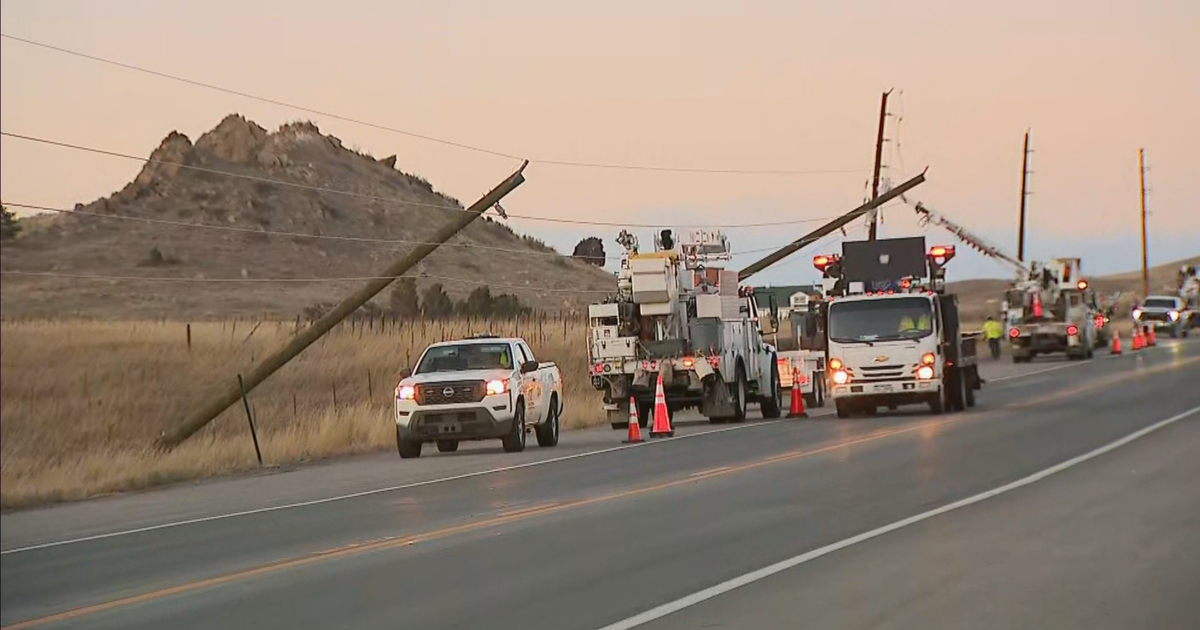
A severe wind event across the Denver metro, Front Range and foothills produced gusts exceeding 100 mph in spots (102 mph on Berthoud Pass; 97 mph at Rocky Flats), causing widespread damage, fallen power lines and major outages. Xcel Energy implemented a Public Safety Power Shutoff impacting an estimated 50,000 customers (over 100,000 reported without power at peak) with some restorations possibly taking up to three days while crews visually inspect lines; the FAA put a ground delay at Denver International Airport leading to dozens of flight delays and cancellations. Multiple highways and schools closed and numerous businesses faced closures or spoilage risk, creating localized operational disruption and near-term risk to regional utilities, travel, retail and insurance exposures.
Market structure: Winners are vendors of backup power (GNRC), home-improvement retailers (HD, LOW), and grid-resilience contractors; losers are the local incumbent utility (XEL) and weather-sensitive travel/logistics firms. Expect near-term spike in retail demand for generators/consumables (sales lift of 5-15% week-over-week in affected ZIPs) and elevated utility O&M and restoration costs that compress XEL near-term margins by an estimated $0.02-$0.06/share over the next quarter. Cross-asset: XEL equity and implied vol rise, short-dated utility credit spreads widen modestly (+10–30bp local muni/state names), and regional power forwards could tick up if outages persist >24–48 hours.
Risk assessment: Tail risks include a multi-day (>72h) outage spawning large spoilage claims, state regulatory investigations, or punitive rate actions—each could create a 10–20% equity shock to XEL and 25–75bp hit to bond spreads. Time horizons: immediate (0–7 days) = operational hits and IV spikes; short (1–3 months) = earnings guidance revisions and regulatory headlines; long (3–24 months) = capex for hardening, insurance cost inflation, possible rate-recovery mechanisms. Hidden dependencies: availability of mutual-aid crews, transformer supply chains, and insurance reserve estimates; catalysts include Xcel restoration timelines, state inquiry announcements, and insurer loss filings.
Trade implications: Tactical moves: buy short-dated protection on XEL and go long consumer/retail generators and DIY retailers for a 1–3 week pop; rotate capital into grid-equipment names and select utilities positioned to recover capex via rate cases over 3–12 months. Options: expect IV to remain elevated 7–30 days—use put spreads to limit cost on XEL and call spreads on HD/LOW for directional exposure. Entry/exit: initiate within 48–72 hours for tactical trades; scale longer-duration positions over 3 months on any 5–10% pullback.
Contrarian angles: Market may over-penalize XEL; PSPS decisions are defensive and can reduce extreme wildfire liabilities long-term—if regulators permit cost recovery, much short-term downside is recoupable. Historical parallel: PG&E PSPS episodes caused short-term equity drawdowns but drove durable capex and eventual recovery; a contrarian 6–12 month view could favor selective accumulation if XEL equity drops >10% and bond spreads widen >50bp. Beware: aggressive short positions risk squeeze if regulator-led rate relief is signaled.
AI-powered research, real-time alerts, and portfolio analytics for institutional investors.
Request DemoOverall Sentiment
moderately negative
Sentiment Score
-0.50
Ticker Sentiment
