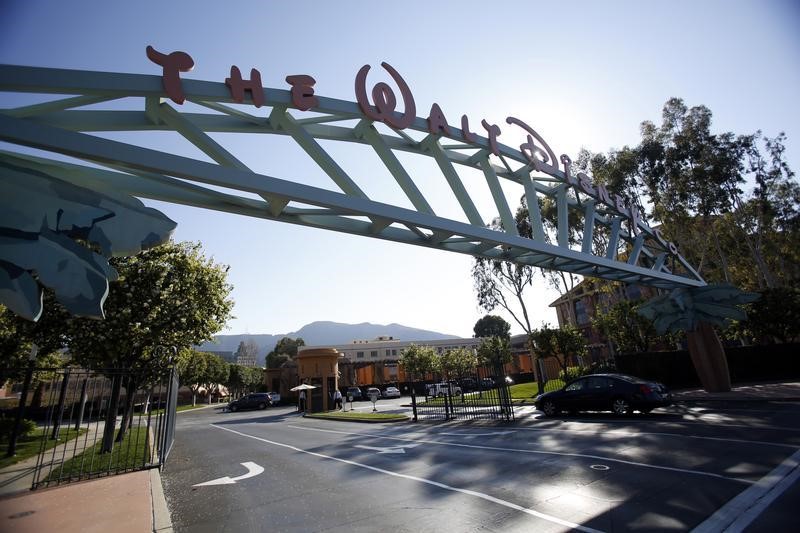
The FCC is reportedly moving toward a review of Disney’s broadcast licenses, though the agency may ultimately choose not to trigger an early license review. The report follows President Trump’s public criticism of Jimmy Kimmel and calls for his firing after a controversial monologue. The news is mildly negative for Disney and ABC, but the immediate market impact appears limited absent a formal regulatory action.
This is less about one comedian and more about a new channel for political leverage over legacy media economics. The immediate market read-through is that Disney’s ABC asset now carries a higher regulatory tail risk premium, which can compress multiple even if the underlying ad and affiliate fundamentals are unchanged. The key second-order effect is not a license loss event, but a slower, more expensive decision-making process around renewals, content standards, and local station relationships, which can quietly tax margins over the next 6-18 months.
The bigger winner may be streaming and non-broadcast competitors that avoid this kind of regulatory overhang. If management becomes more defensive, ABC’s ability to take creative risk declines, which can weaken ratings elasticity and push audience share toward Netflix, YouTube, and other platforms where political controversy is monetized rather than regulated. That shift matters because broadcast TV is already a declining asset class; even a small acceleration in audience leakage can have an outsized effect on valuation when investors are focused on segment durability.
The contrarian angle is that the headline risk is likely ahead of the actual economic impact. The FCC process itself may never be triggered, and even if it is, the most probable outcome is noise, not structural damage, unless this expands into a broader multi-license enforcement pattern. For DIS, the base case is a sentiment hit and a modest overhang rather than a fundamental earnings impairment, but the stock can still underperform for weeks if the market starts pricing a higher probability of political intervention into other media properties.
AI-powered research, real-time alerts, and portfolio analytics for institutional investors.
Overall Sentiment
mildly negative
Sentiment Score
-0.15
Ticker Sentiment
