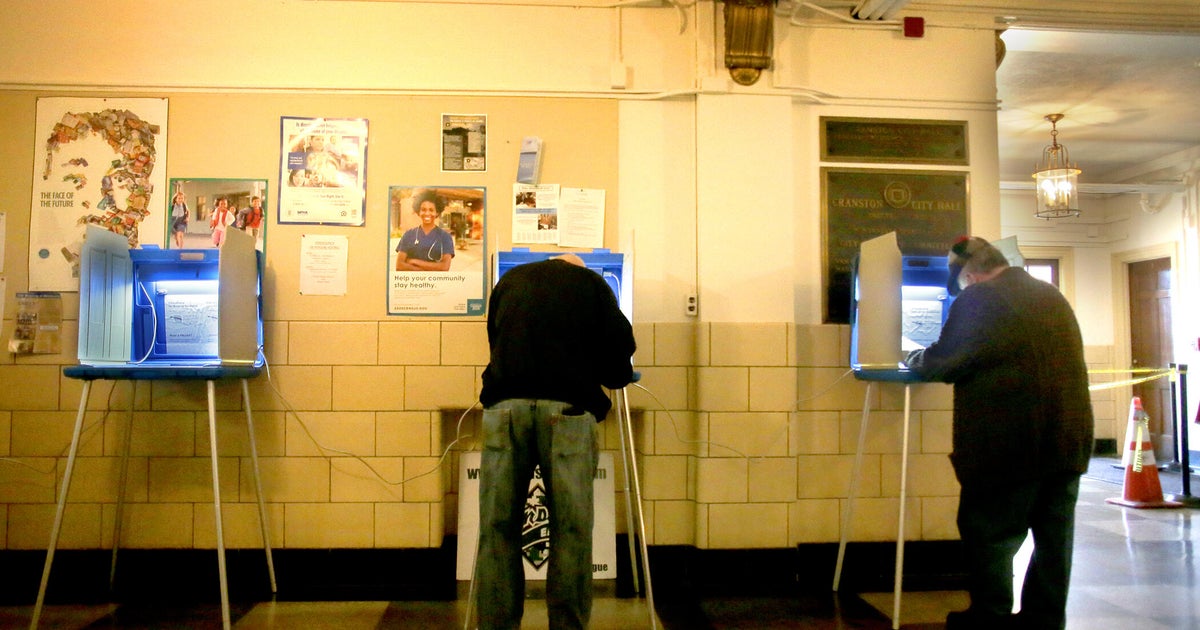
A federal judge rejected the Justice Department's bid to force Rhode Island to turn over unredacted voter rolls, marking the department's fifth legal loss in its effort to access state voter registration lists. The court called the request a "fishing expedition" and found no factual basis that Rhode Island was violating voter-list maintenance laws. The ruling reinforces state control over sensitive voter data and limits the Trump administration's push to use those records for noncitizen-voting checks.
This is less a voting-rights headline than a signal that the administration's data-centralization playbook is meeting judicial resistance at the point where state-held personal data becomes operationally useful. The practical market implication is for agencies to become more cautious about using litigation to force compliance on fragmented state datasets, which slows any federal effort to build a de facto national voter/noncitizen screening pipeline. That matters because the value of the data is not the lawsuit itself but the downstream integration with immigration, law-enforcement, and identity-resolution systems; a multi-month delay can materially reduce the odds of a near-term policy win and raises execution risk for vendors in that ecosystem.
The second-order effect is a renewed state-level privacy defense cycle. Expect more states to harden redaction standards, increase cybersecurity spend around voter databases, and resist interoperability requests, which benefits firms exposed to public-sector data security, records management, and privacy compliance over the next 6-18 months. The loser set is broader than the DOJ: any contractor or software stack dependent on centralized identity verification for election administration faces slower procurement, more legal review, and a higher probability that projects get redesigned around least-data principles rather than richer datasets.
The market is likely underpricing how this shifts the balance of power toward courts rather than legislatures in election-adjacent policy. If the administration loses more cases, the headline risk persists but the probability of a sweeping federal proof-of-citizenship regime drops; if the Senate or a future Congress advances legislation, the legal defeats become less relevant. The contrarian read is that repeated DOJ losses may actually increase the odds of a statutory solution later, because agencies appear to have exhausted administrative shortcuts and are setting up the narrative for congressional action.
AI-powered research, real-time alerts, and portfolio analytics for institutional investors.
Request TrialOverall Sentiment
mildly negative
Sentiment Score
-0.15
