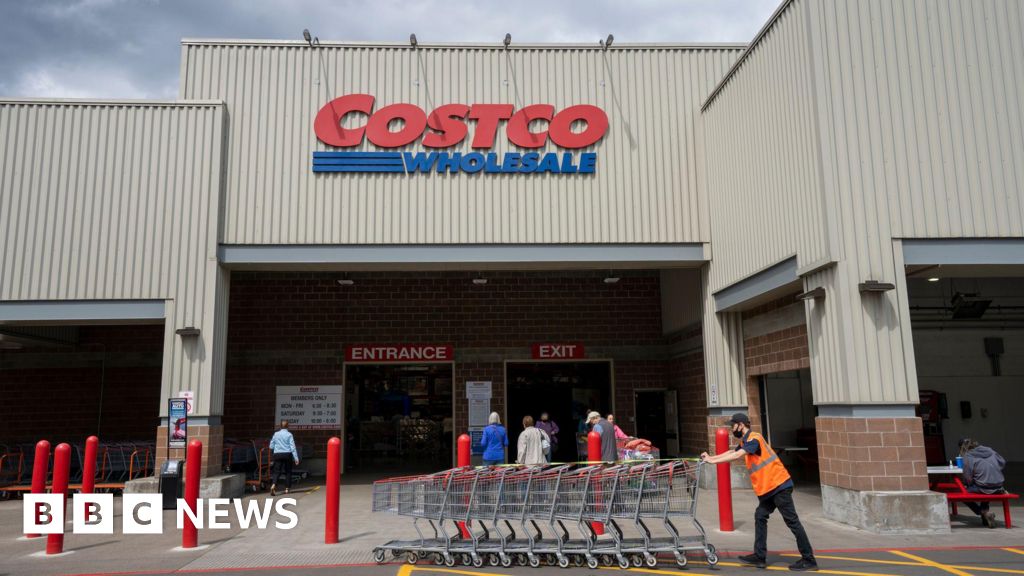
About $166bn in tariff refunds are at issue after the Supreme Court struck down many of former President Trump's tariffs, prompting a proposed class action against Costco seeking refunds to shoppers for duties passed through in prices. Plaintiff alleges 'unjust enrichment'; Costco CEO said it is unclear 'what refunds, if any, will be received' but promised to return value if refunds arrive. The administration asked for 45 days to build a new electronic refund process, saying more than 330,000 importers are eligible, leaving timing and beneficiaries uncertain for retailers and logistics firms.
This litigation dynamic introduces a liquidity-and-timing mismatch: legal titleholders (importers/logistics firms) control recovery receipts while economic loss was often borne downstream, creating an arbitrage window for entities that can either monetize processing (logistics) or absorb and redeploy refunds (large retailers). Retailers with membership models face a choice with different P&L and retention outcomes — direct cash returns depress near-term margins, vouchers or price cuts preserve membership utility but delay visible restitution and can boost traffic if communicated well.
Operationally, expect the money to be trapped in administrative pipelines for months; firms that can front working capital or charge processing fees will capture most of the upside from throughput, while those that cannot will face balance-sheet timing hits. That favors large, well-capitalized logistics providers and banks offering escrow/processing services and punishes thin-margin retailers that elected to fully pass-through costs to consumers at the time of import.
Second-order supply-chain effects: manufacturers and upstream suppliers will be targeted for contribution agreements to avoid consumer-facing rebates, compressing manufacturer margins and accelerating supplier consolidation or price-list revisions. Politically driven regulatory remedies could standardize distribution (reducing legal unpredictability) but also impose compliance costs that scale with the number of affected SKUs and importers.
Contrarian note: headline-driven multiple compression in select retailers may overshoot because real net consumer recovery will be eroded by legal fees, administrative deductions and negotiated credits — meaning logistics processors with execution capabilities are more likely to realize durable economic benefit than retailers that merely announce goodwill gestures.
AI-powered research, real-time alerts, and portfolio analytics for institutional investors.
Request DemoOverall Sentiment
neutral
Sentiment Score
0.00
Ticker Sentiment
