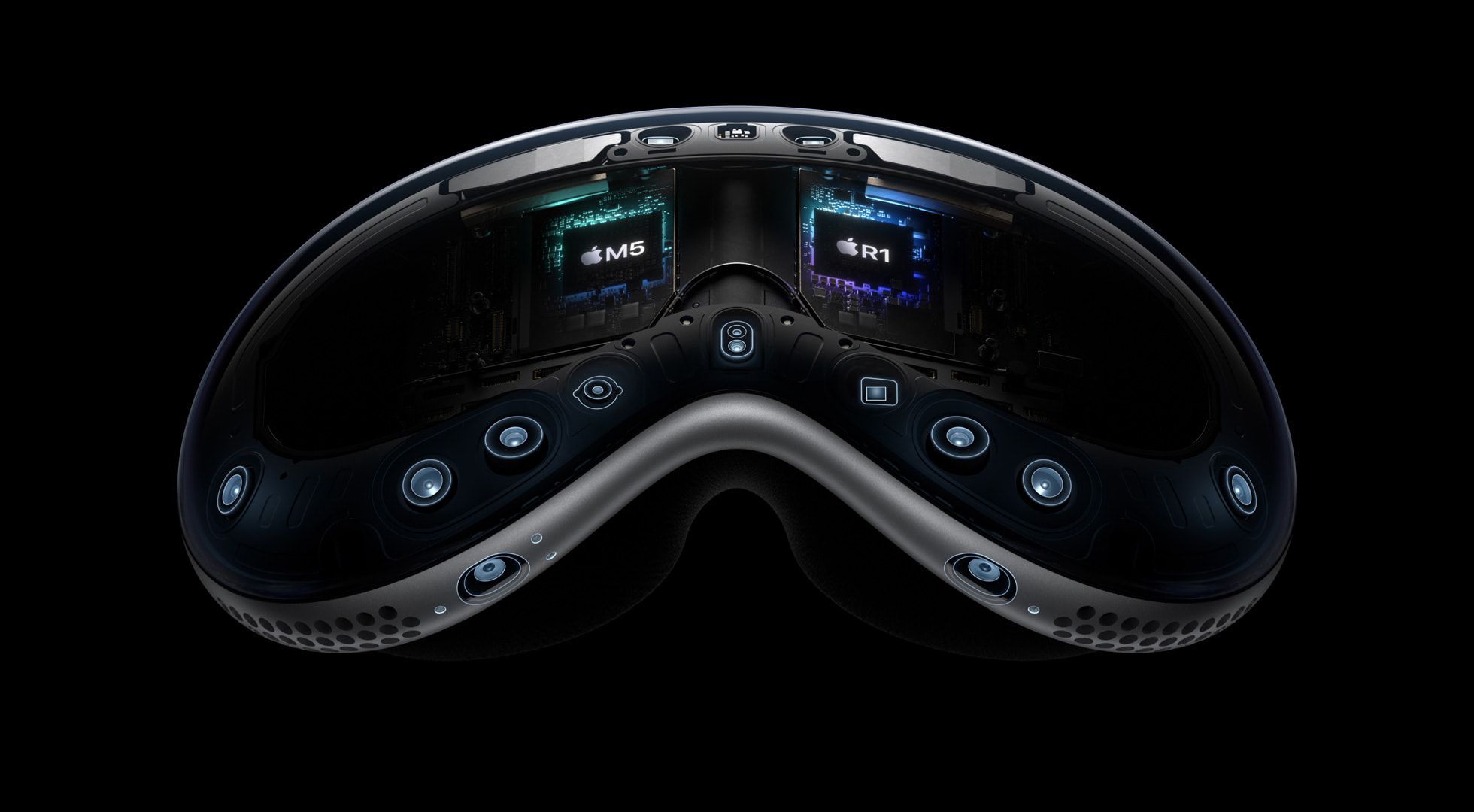
Apple Vision Pro reached a new medical-use milestone as Dr. Eric Rosenberg became the first surgeon to perform cataract surgery with the headset in October 2025, and has since completed hundreds more cases using the ScopeXR platform. The device is being positioned for enterprise and professional use in medicine, alongside other specialized markets such as aviation and industrial design, even as consumer demand remains limited by the $3,499 price and bulky form factor. The article is strategically positive for Vision Pro's niche utility, but the broader hardware thesis remains challenged as Apple reportedly shifts toward lightweight smart glasses.
This is less about Vision Pro becoming a consumer hardware winner and more about Apple proving a monetizable distribution layer for high-value workflow software. The real economic signal is that the device can now be justified by labor productivity in high-margin niches where a few minutes saved per procedure or fewer complications can pay for the hardware in weeks, not years. That makes the near-term upside for AAPL incremental rather than transformative, but it materially improves the odds that Vision Pro becomes a durable enterprise platform instead of a dead-end product category.
The second-order winner may be the ecosystem around medical imaging, surgical planning, and telepresence software rather than the headset itself. If remote expert participation becomes routine, hospitals may defer some expensive staffing inefficiencies and use it to expand capacity without adding headcount; that pressures traditional telemedicine vendors and could eventually compress margins for standalone surgical visualization hardware. For suppliers, the more important question is whether this drives higher attach rates for sensors, optics, and enterprise support services than unit sales alone would suggest.
The competitive read-through to META is negative over a multi-quarter horizon: Apple is signaling it wants the smart-glasses endgame too, but with a more premium technical stack and enterprise wedge. The market may be underestimating how much this shrinks Meta’s differentiation if Apple can seed a credible professional use case before consumer glasses mature. The contrarian risk is that this remains a niche halo story: adoption in medicine can validate the concept without ever producing meaningful volume, so the stock impact for AAPL may fade unless there is evidence of repeatable deployments across multiple specialties and health systems.
AI-powered research, real-time alerts, and portfolio analytics for institutional investors.
Request DemoOverall Sentiment
mildly positive
Sentiment Score
0.20
Ticker Sentiment
Near term, the catalyst path is sequential: more hospital deployments over the next 3-6 months would support service/enterprise narrative, while any reports of low utilization or surgical workflow friction would quickly reverse enthusiasm. The bigger tail risk is that Apple’s pivot to glasses implies management is already unwilling to subsidize Vision Pro inventory and developer support, which limits upside for the current hardware line even if niche adoption improves. In other words, the story is bullish for platform optionality, but not yet for a meaningful re-rating of hardware fundamentals.
