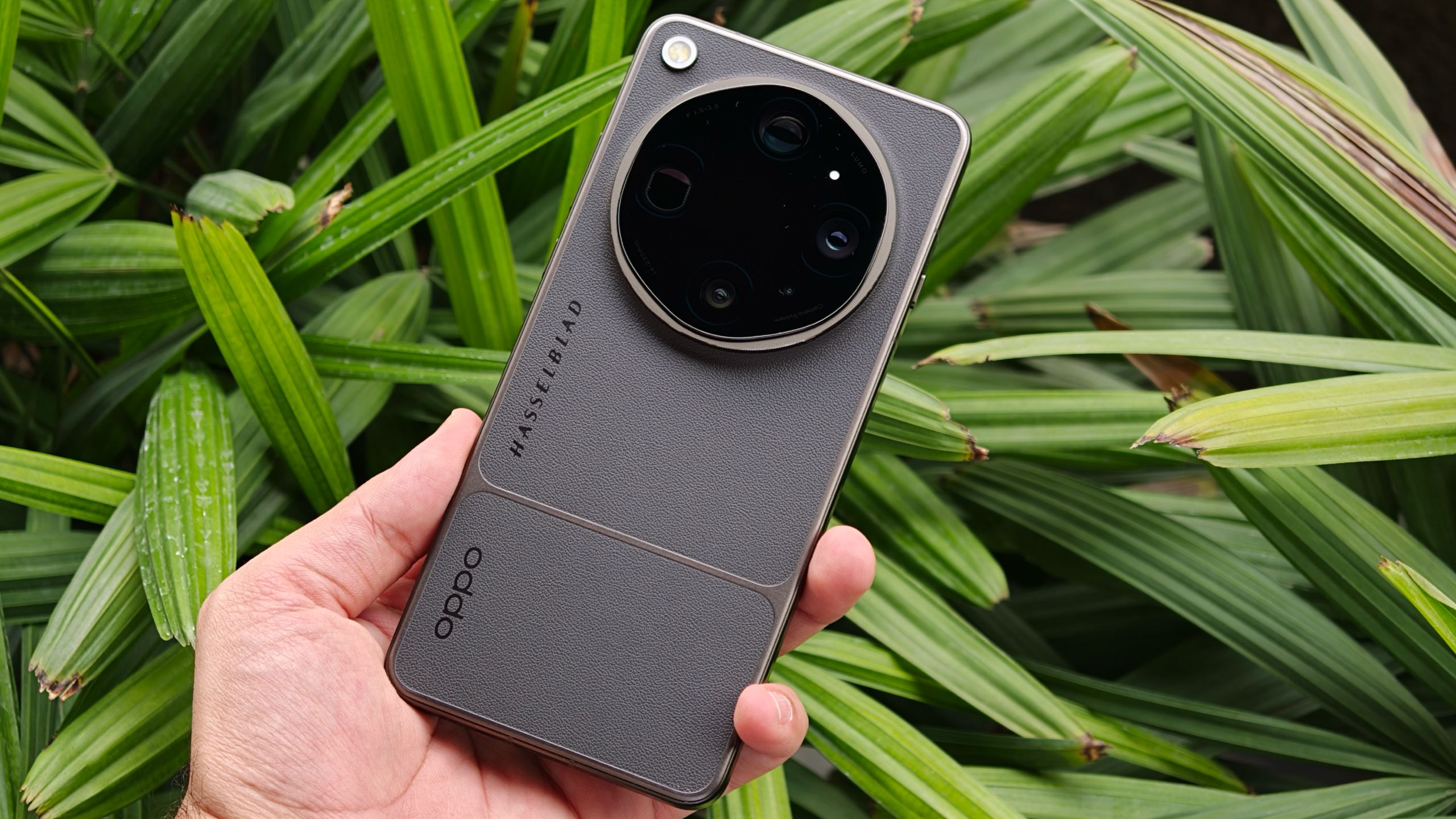
The Oppo Find X9 Ultra's 7,050mAh silicon-carbon battery outperformed the iPhone 17 Pro Max in a three-hour YouTube test, finishing at 94% versus 90%. It also charged faster, reaching 44% in 15 minutes and 74% in 30 minutes, compared with 35% and 64% for the iPhone. The piece is broadly positive for Oppo's battery and charging technology, while remaining only modestly relevant for broader markets.
The meaningful signal here is not that Apple lost a battery-life bake-off; it is that premium hardware differentiation is shifting from industrial design and software polish toward underlying materials science. That matters because battery tech becomes a platform capability, not a feature, and the market typically underprices how quickly consumer expectations can reset once a visible benchmark moves. If silicon-carbon becomes the new standard in Asia-first flagships, Apple’s current advantage narrows from best-in-class to merely acceptable, which is a subtle but real threat to replacement-cycle urgency at the high end.
The second-order issue is margin and roadmap pressure. Apple does not need to match Eastern OEM specs immediately, but if battery density and charge speed keep improving elsewhere, the premium consumers are willing to pay for iPhone hardware weakens unless Apple can offset with software ecosystem lock-in or a step-function leap in efficiency. That creates a longer-dated risk to mix, especially in Pro/Pro Max models where users are most likely to compare specs directly and justify upgrades on battery performance.
Near term, this is not an earnings catalyst; it is a sentiment and feature-gap narrative that can compound over several product cycles. The market will likely dismiss it until a materially visible Apple response appears, but once competitors establish a durable lead in a headline spec, the burden shifts to Apple to prove parity rather than innovation. The key watchpoint is whether this remains a niche China/Asia premium segment or starts migrating into broader global Android launches, which would accelerate comparison shopping and compress Apple’s moat at the margin.
Contrarian view: the setup may be overstated for investors because most iPhone buyers do not optimize on raw battery capacity, and Apple’s system-level efficiency still matters more than cell size in real use. But the market doesn’t need unit demand to break immediately for this to matter; it only needs a few more product cycles where Apple looks incrementally behind on a highly legible spec. That is enough to keep a lid on multiple expansion if investors start treating hardware leadership as cyclically eroding rather than structurally secure.
AI-powered research, real-time alerts, and portfolio analytics for institutional investors.
Request DemoOverall Sentiment
mildly positive
Sentiment Score
0.35
Ticker Sentiment
