
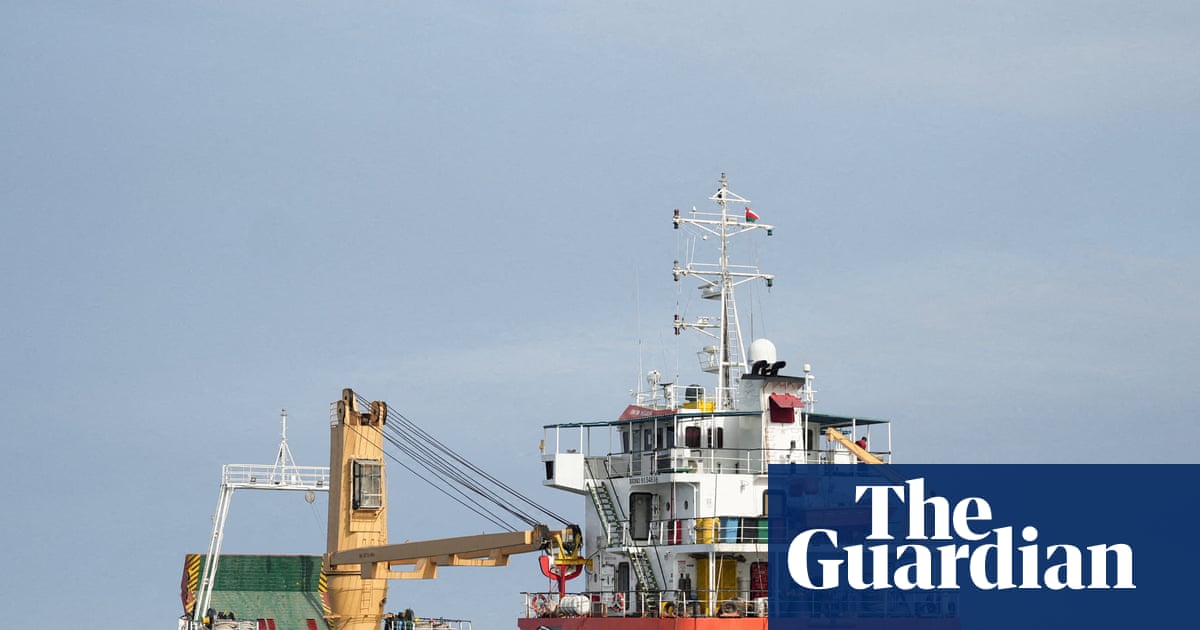
Iran’s foreign minister said the Strait of Hormuz is fully open to commercial vessels, but officials also indicated passage remains restricted and subject to IRGC permission, so normal traffic is not yet restored. Oil prices fell on the headline, while the article says the strait had previously carried about one-fifth of global oil and gas supplies and that its closure had driven inflation higher and threatened recession risks. The piece also points to an unfolding ceasefire/diplomatic push involving the US, Iran, Israel, Lebanon, and Pakistan, making this a high-impact geopolitical and energy-market event.
The market is pricing a headline de-escalation, but the key microstructure issue is that “open” does not equal “bankable passage.” If routing remains subject to IRGC permission, chokepoint risk persists and insurers will likely keep war-risk premia elevated; that means spot freight, tanker utilization, and cargo deferrals can stay distorted even if flat-price crude gives back some of the panic bid. The first-order loser is energy volatility itself: implied vols should cheapen on the ceasefire narrative, but the realized-vol regime can remain high if vessels hesitate and any incident re-prices the lane.
The bigger second-order effect is on inflation expectations and duration rather than just oil. If Brent loses another leg lower and stays softer for several sessions, breakeven inflation and front-end rate cut odds can ease, which is constructive for long-duration equities and EM external financing. But the reversal risk is asymmetric: a single obstruction, boarding, or missile/drone event would snap the market back because participants have reduced hedges on the assumption of diplomatic progress.
IMO is a quiet beneficiary in a “not normal yet” world because any prolonged verification process supports the organization’s relevance, but the real trading edge is in carriers and refiners, not the agency proxy. The consensus may be over-discounting how much time it takes for commercial routing to normalize after a geopolitical reopening; even a true ceasefire typically needs days to weeks for underwriting, cargo scheduling, and navy/insurance protocols to catch up. That suggests the current move lower in crude could overshoot on sentiment, creating a better entry point for volatility-sensitive longs only after one or two clean shipping-confirmation datapoints.
AI-powered research, real-time alerts, and portfolio analytics for institutional investors.
Request TrialOverall Sentiment
mixed
Sentiment Score
0.15
Ticker Sentiment
