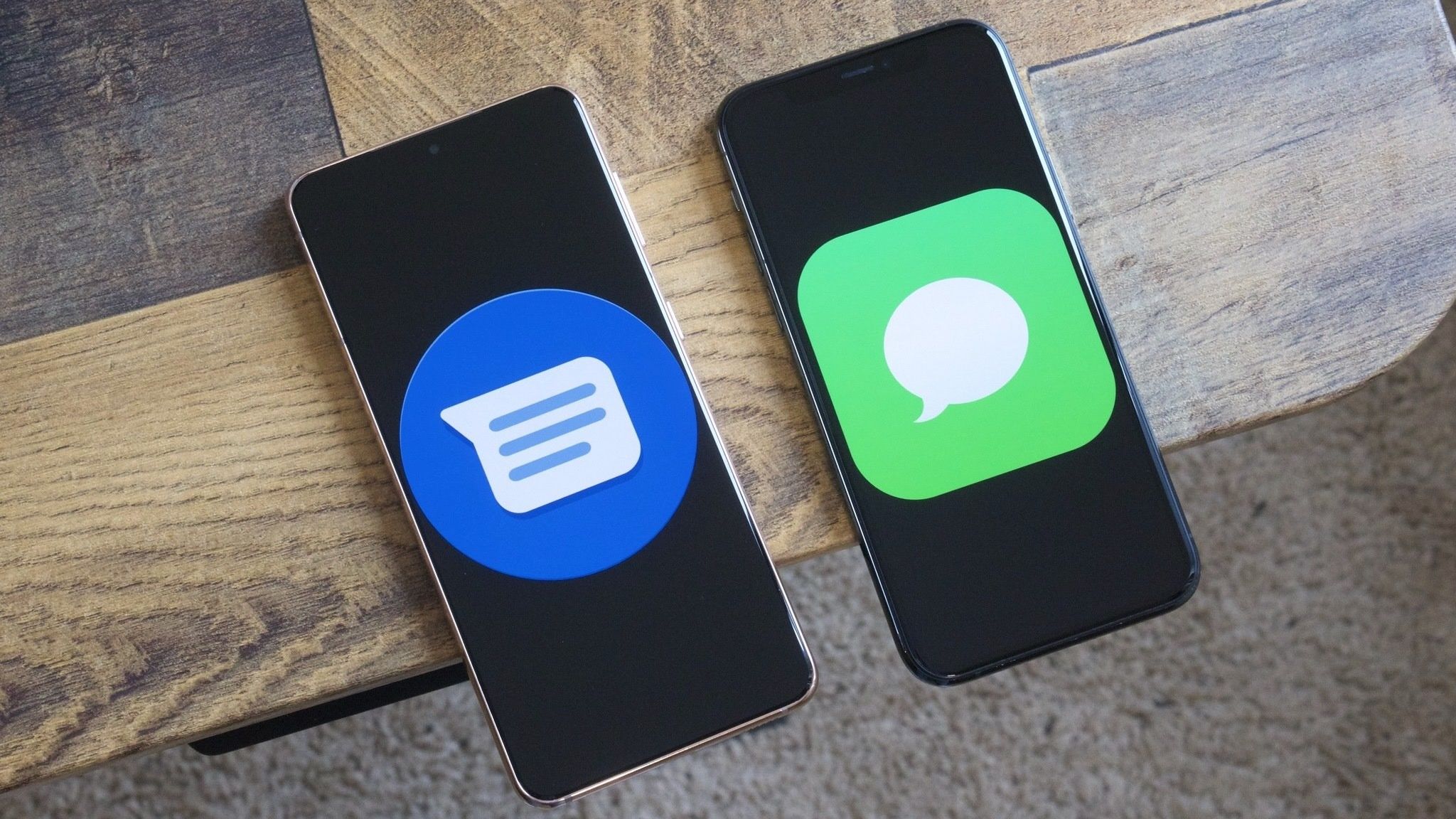
Apple is beta-testing end-to-end encrypted RCS in iOS 26.5, enabling secure iPhone-to-Android messaging when both users have the latest software and a supported carrier. The rollout is built into the GSMA RCS Universal Profile and is expected to become the default for all RCS chats after beta. The development is positive for cross-platform privacy, though the near-term market impact is likely limited.
This is less a monetizable product catalyst than a reputational de-risking event for Apple and Google. The market likely underestimates how much enterprise and regulated-user behavior changes when cross-platform messaging no longer forces a privacy compromise; that can incrementally lift engagement with native messaging stacks and reduce the need for third-party encrypted apps in mixed-device groups. The biggest economic beneficiary is probably not carrier revenue, but ecosystem stickiness: once secure cross-platform chats become the default, the switching friction that green bubbles created becomes less effective as a retention tool.
For Apple, the strategic risk is actually margin dilution of its platform moat narrative, but the financial risk is modest because this is a soft-power feature, not a hardware or services revenue line. The second-order winner may be Google, which gets partial validation of Android messaging quality without having to carry the burden alone; however, the company also risks some cannibalization of any residual differentiation in Google Messages. The carriers named in the rollout should see negligible direct ARPU benefit, but they may get a small uplift in perceived network quality and enterprise trust, which matters more for defending postpaid relationships than for moving the needle in the next quarter.
The key catalyst window is months, not days: beta availability is a headline; actual usage adoption depends on carrier enablement, default settings, and whether users notice the lock icon enough to change behavior. The main tail risk is fragmentation—if implementation varies by carrier/region or initial bugs create failed message delivery, the feature can become a support burden and slow adoption. A longer-dated risk is that the interoperability standard weakens the lock-in advantages of Apple’s messaging stack, but that is likely a gradual, multi-year effect rather than a near-term earnings issue.
The contrarian view is that the consensus may be overestimating the direct financial upside and underestimating the durability of the moat loss. If this works cleanly, it removes one of the most visible reasons for platform switching among mixed households and small groups, which is structurally negative for Apple’s ecosystem exclusivity thesis even if it is positive for user welfare. In other words, this looks like a social and regulatory win first, an earnings event second.
AI-powered research, real-time alerts, and portfolio analytics for institutional investors.
Request DemoOverall Sentiment
mildly positive
Sentiment Score
0.35
Ticker Sentiment
