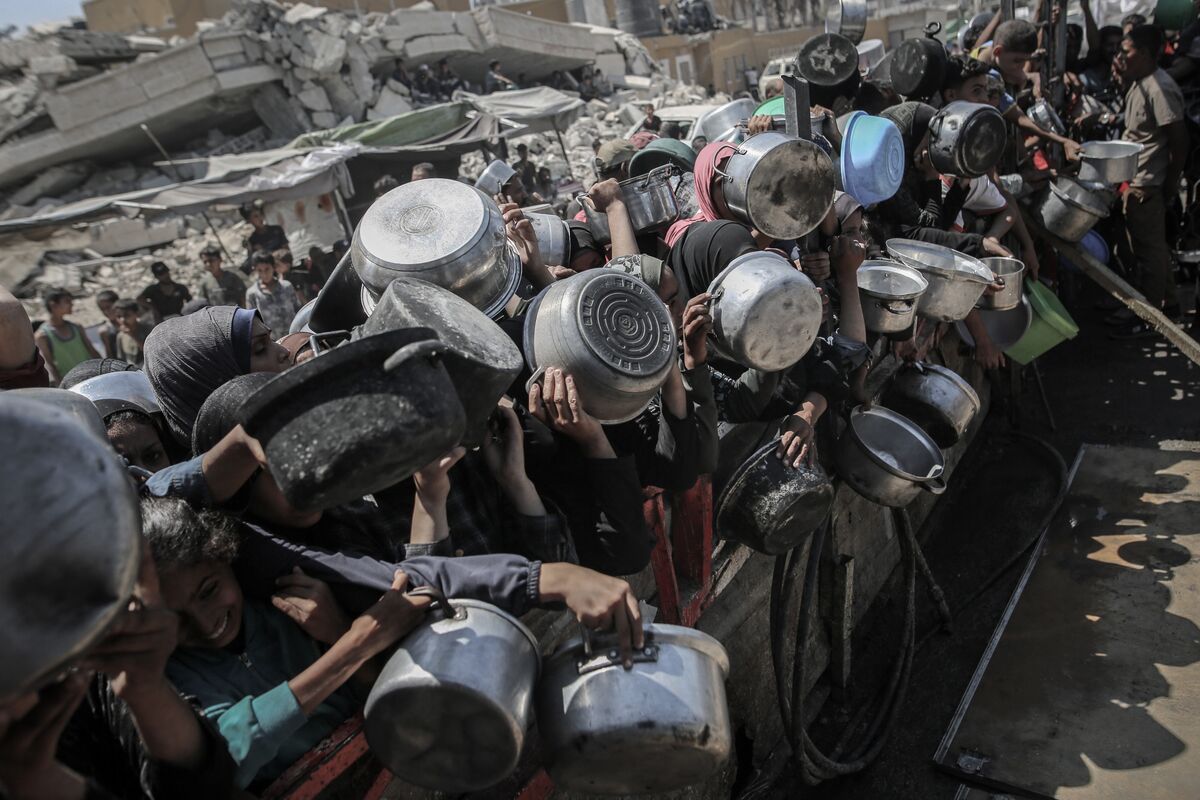
Gaza is experiencing a severe hunger crisis, which has escalated despite prior warnings. The ability to accurately assess the situation on the ground is significantly hampered by the near-total absence of aid organizations, civilian welfare monitors, and journalists, leading to a reliance on anecdotal evidence.
The situation in Gaza has deteriorated into a severe hunger crisis, a development that occurred despite prior warnings. A critical challenge for external observers, including investors, is the significant information vacuum on the ground. The departure or cessation of operations by nearly all aid organizations, civilian welfare monitors, and journalists means that current assessments are based almost entirely on anecdotal evidence, severely limiting the availability of verifiable data. This lack of reliable information complicates any robust analysis of the crisis's true scale, trajectory, and potential for broader destabilization. While the sentiment signals are strongly negative (-0.7), reflecting the humanitarian disaster, the associated market impact score is exceptionally low (0.2). This indicates that financial markets are not currently pricing in significant economic or financial spillover from this specific aspect of the broader regional conflict, viewing it as a localized humanitarian issue rather than a systemic market risk.
AI-powered research, real-time alerts, and portfolio analytics for institutional investors.
Request DemoOverall Sentiment
strongly negative
Sentiment Score
-0.70
