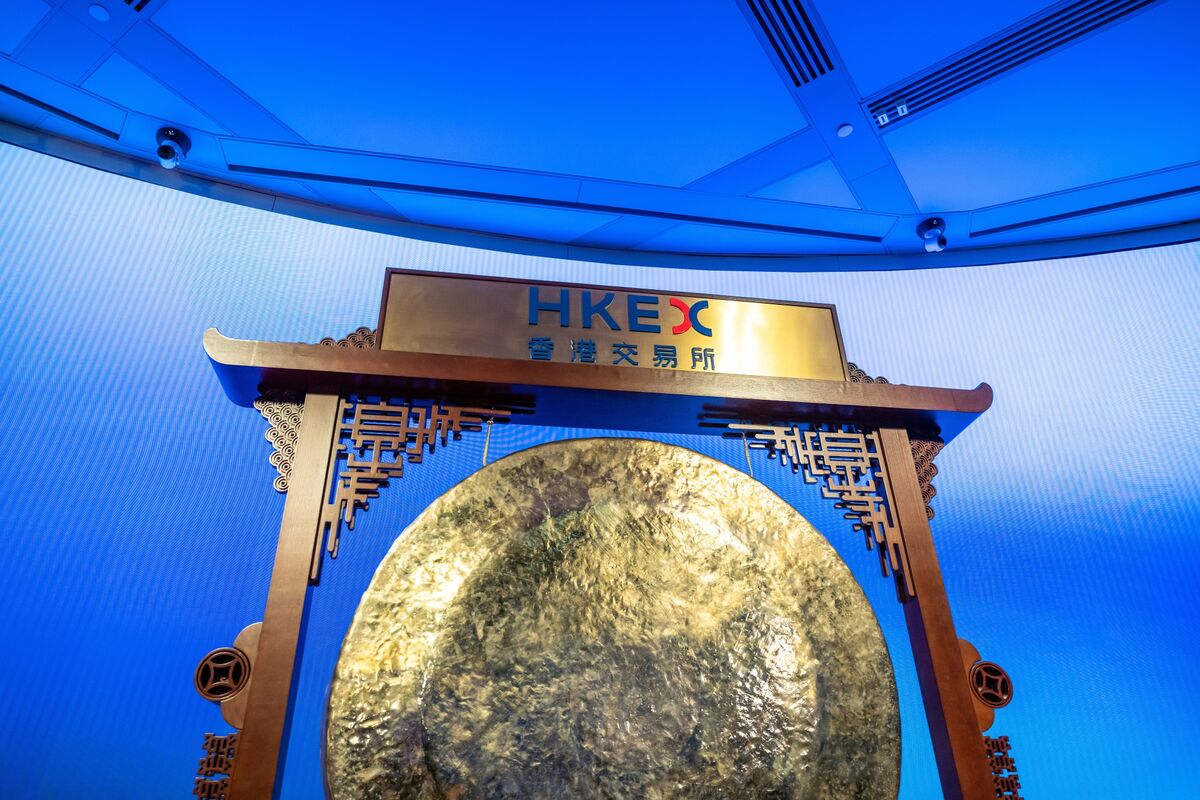
Hong Kong Exchanges & Clearing plans to move stock settlement to T+1 from the current T+2, with the change potentially taking effect in Q4 2027. The proposal aligns HKEX with a global shortening of settlement cycles, but the article highlights operational hurdles for Western investors and implementation risk. Market impact is likely moderate as the change could affect trading, clearing, and back-office processes across the market.
A move to T+1 in Hong Kong is less about a one-time market-structure upgrade and more about forcing a balance-sheet migration: brokers, custodians, and cross-border allocators will need to pre-fund, compress FX windows, and upgrade exception-handling workflows. The clearest beneficiaries are the plumbing layers that can monetize operational complexity — exchange-adjacent service providers, custody/clearing tech, and firms with strong intraday funding franchises — while smaller foreign brokers and active managers with slower ops stacks face higher fails, higher capital drag, and potentially reduced Hong Kong turnover.
The second-order effect is that T+1 tends to favor liquidity providers and market makers over discretionary flow, because tighter post-trade timelines reward firms with automated allocation, matching, and financing infrastructure. That can subtly widen the moat for large global banks and prime brokers already embedded in Asia, while pressuring long-tail asset managers that rely on manual breaks resolution across time zones. Over time, the regime can also modestly lower counterparty risk premia in Hong Kong financials, but the near-term winner is not the listed market broadly; it is the ecosystem that makes settlement friction disappear.
The risk is implementation fatigue: the market will likely underestimate how much of the pain arrives in the six to twelve months before go-live, not on day one. If coordination with mainland-linked flows, custodians, and foreign intermediaries slips, the consultation can become a deferred-event trade rather than a clean catalyst, and volumes may migrate temporarily to venues with lower operational burden. The contrarian read is that the headline is mildly positive for market quality but potentially negative for share turnover and fee pools if investors respond by scaling down high-touch cross-border activity rather than upgrading systems quickly.
AI-powered research, real-time alerts, and portfolio analytics for institutional investors.
Request TrialOverall Sentiment
neutral
Sentiment Score
0.10
