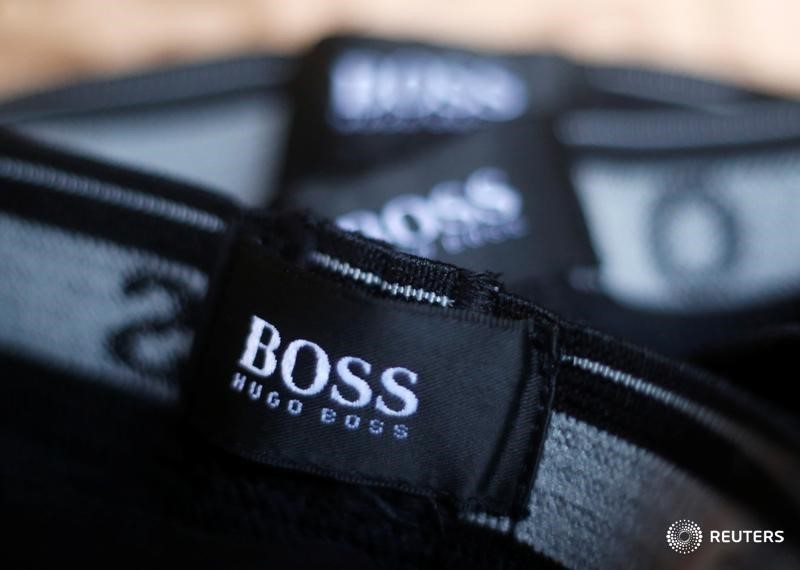
Frasers Group launched a voluntary takeover offer for the 74% of Hugo Boss it does not own at €38 per share in cash, valuing the company at about €2.7 billion and implying roughly a 4% premium to the prior close. The bid appears more aimed at increasing Frasers’ strategic flexibility than taking full control, given its support for existing management and the low premium. Hugo Boss shares rose more than 6% on the news, while Frasers fell 2.3%.
This is less a classic control bid than a governance-arbitrage move: Frasers is paying a tiny premium to de-risk an involuntary threshold event while preserving optionality over future influence. The market is likely underpricing how valuable that flexibility is in a consolidating European retail landscape, because even a marginally higher strategic stake can force better access to management, merchandising decisions, and capital allocation without paying full takeout economics.
The second-order winner is not necessarily Hugo Boss alone but any retailer with a meaningful brand portfolio and latent balance-sheet capacity to exploit dislocations. If Frasers can secure de facto influence at low cost, it establishes a template for “pay now for optionality later,” which could pressure other mid-cap consumer names with fragmented ownership and low trading liquidity. Competitors with weaker balance sheets may face a modest multiple reset as investors re-rate the probability of similar stake-building campaigns.
The main risk is that the market misreads this as a precursor to a full takeover and overbids the target relative to the actual economics. That creates a path for a sharp give-back if regulators, minority holders, or the company’s board resist deeper engagement, especially over the next 3-6 months as the transaction narrative shifts from headline premium to process friction. Longer-dated, the real catalyst is whether Frasers turns this into operational interventions that improve margins and working capital; absent that, the move is just capital allocation theater.
Consensus is focused on the tiny premium, but the more important signal is Frasers’ willingness to trade certainty for leverage. In a market where many strategic buyers are capital constrained, buying influence rather than control can be the highest-IRR use of equity capital if it unlocks supply-chain, sourcing, and brand synergies later. The contrarian view is that this may actually be bearish for Hugos’ standalone valuation because it reduces the probability of a classic takeout premium while leaving the stock anchored to a strategic buyer with limited urgency.
AI-powered research, real-time alerts, and portfolio analytics for institutional investors.
Request DemoOverall Sentiment
mildly positive
Sentiment Score
0.15
Ticker Sentiment
