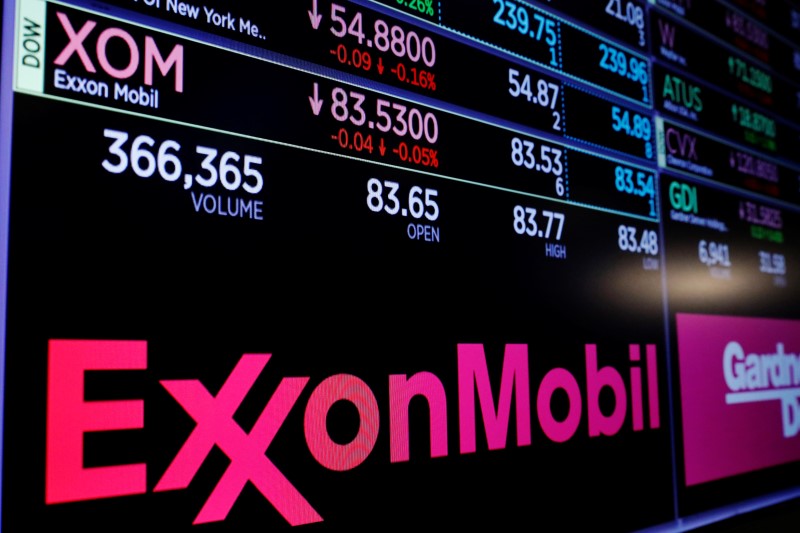
Brent crude is holding above $110 despite U.S.-Iran clashes in the Strait of Hormuz, underscoring elevated geopolitical risk to energy markets. RBC Capital kept Exxon Mobil at Sector Perform with a $180 price target, while trimming estimates to reflect a longer Middle East outage; Exxon also posted Q1 2026 EPS of $1.16 versus $1.03 expected and revenue of $85.14 billion versus $81.24 billion. The stock’s dividend streak now spans 43 consecutive years, with a 2.68% yield.
The immediate winners are not just upstream equities, but integrateds with large refining and chemicals footprints, because the market is repricing a wider crack-spread regime rather than a pure crude beta move. If Middle East outages persist for weeks, the second-order beneficiary is North American supply logistics: coastal refiners, Gulf Coast terminals, and tanker owners should see tighter product balances and higher arbitrage values even if headline crude cools. That said, the first-order equity reaction in majors may be muted because the market is already discounting geopolitical risk premia, so the cleaner upside is in names with leverage to product shortages rather than to spot Brent alone.
The key risk is timing: a days-long spike supports sentiment, but a months-long disruption forces demand destruction and policy response. The most likely reversal mechanism is not immediate supply normalization, but diplomatic de-escalation plus strategic inventory releases, which would hit the front end of the curve first and compress cash-flow expectations for producers with the highest near-term sensitivity. In that scenario, the winners flip from upstream to consumers, transportation, and chemicals, while high-cost barrels and marginal refiners lose the most.
For Exxon, the market may be underestimating the quality of the hedge: integrated exposure cushions downside if crude rolls over, but the real optionality is in downstream margin expansion and balance-sheet flexibility. The contrarian view is that the current setup is less bullish for straight long oil than for relative-value expressions because the geopolitical premium is already visible, while the duration of the disruption is still the main unresolved variable. If this becomes a supply-chain event rather than a headline event, the strongest equity alpha will likely come from dispersion across the energy complex, not directionality alone.
AI-powered research, real-time alerts, and portfolio analytics for institutional investors.
Request DemoOverall Sentiment
neutral
Sentiment Score
0.10
Ticker Sentiment
