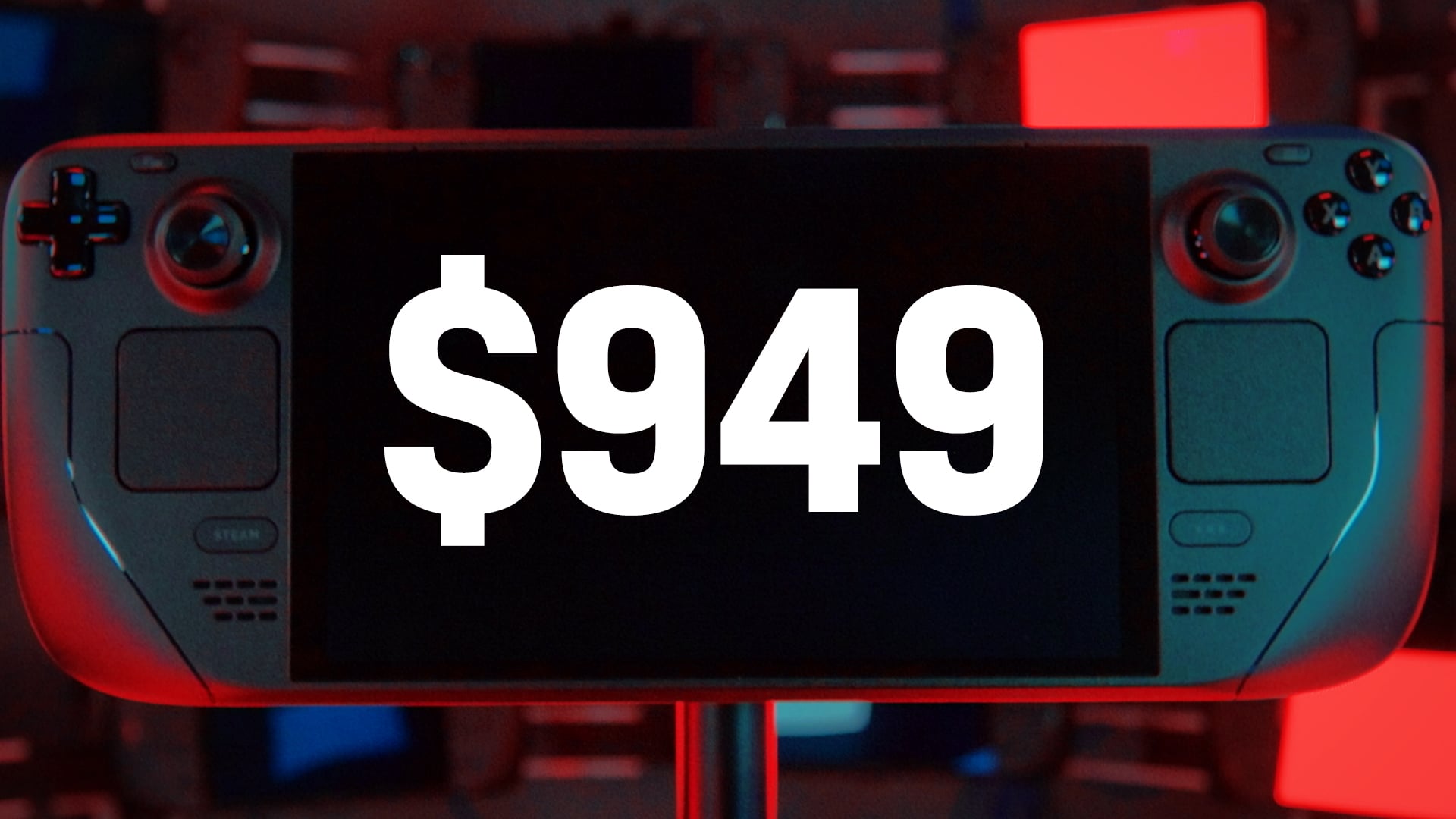
Valve raised Steam Deck prices by over 40%, with the 512GB OLED model now $789 and the 1TB model $949, versus prior prices of $549 and $649, respectively. Valve said the increases reflect current component costs and global logistical challenges, and both models are back in stock. The article frames this as part of a broader wave of consumer gaming hardware price hikes across Nintendo, Sony, and Microsoft.
This is less a one-off pricing story than a signal that the console cycle is structurally inflationary, which is bad for unit elasticity and worse for mid-cycle volume expectations. The market usually underestimates how quickly higher sticker prices shift demand from impulse hardware purchases to wait-and-see behavior, especially in a discretionary category where software attach rates and ecosystem lock-in matter more than raw hardware margins. That dynamic favors the strongest platform holder with the broadest content and subscription moat, but only if it can preserve affordability somewhere in the stack. For SONY and MSFT, the second-order risk is not just lower console sell-through; it is a weaker installed-base growth path that delays software monetization, accessories, and online service expansion. In the next 1-2 quarters, the biggest earnings sensitivity is likely in holiday unit guidance and channel inventory, because retailers will likely respond to sticker shock by reducing orders before consumer demand fully clears. If the price increases persist, third-party game publishers also face a latent headwind as a smaller, older, and more price-sensitive hardware base slows new-title adoption. The contrarian point is that the move may be more survivable for incumbents than it looks because higher prices can be partially offset by mix toward premium SKUs and digital services, which carry better lifetime economics. However, if this is driven by component costs rather than demand normalization, margin relief will not fully flow through unless pricing discipline is industry-wide; that keeps upside capped and makes the sector vulnerable to any evidence of promotion or bundle discounts. The key catalyst to watch is holiday preorder data: if sell-through remains resilient over the next 30-60 days, the market will likely re-rate the inflation pass-through as benign; if not, guidance risk becomes the larger driver than COGS inflation.
AI-powered research, real-time alerts, and portfolio analytics for institutional investors.
Overall Sentiment
mildly negative
Sentiment Score
-0.28
Ticker Sentiment
