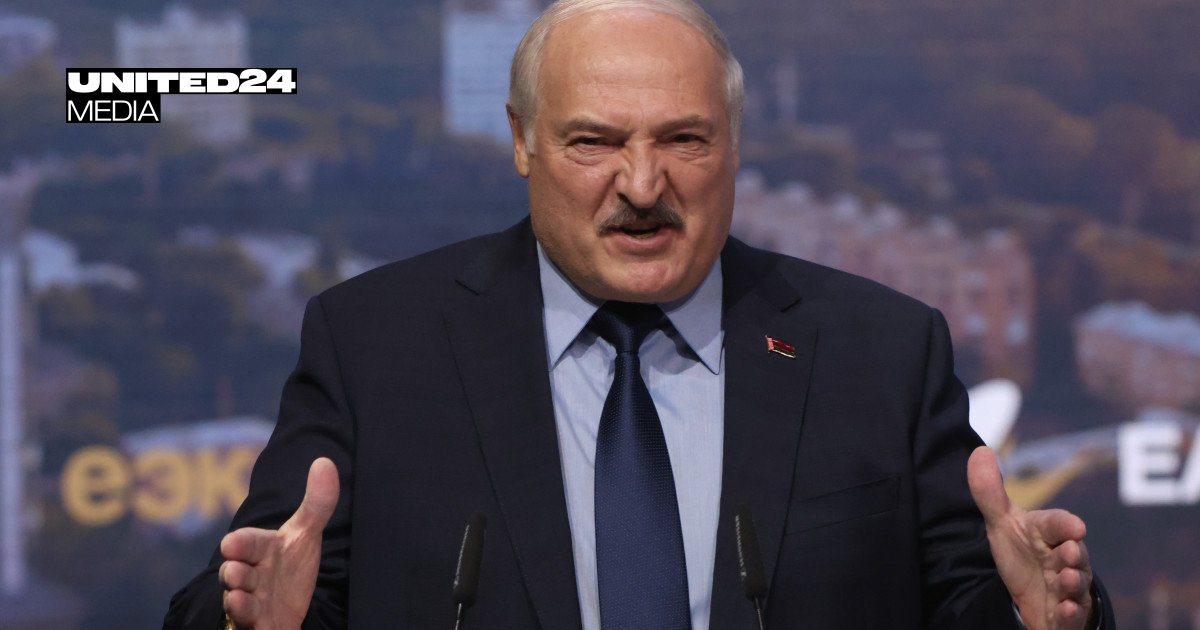
Lukashenko threatened Belarus has a 'very serious target' prepared in response to Ukraine's warning that it had identified 500 potential targets in Belarus. The exchange underscores heightened cross-border military risk tied to the Russia-Ukraine war and renewed concerns over Belarusian activity near the Ukrainian frontier. While no direct escalation was reported, the rhetoric adds to regional security uncertainty.
The market implication here is not the rhetoric itself; it is the continued normalization of Belarus as an auxiliary theater that can be activated with very low political cost to Moscow. That raises the option value of frontier risk across the western Ukrainian supply corridor, especially for rail, bridging, power distribution, and long-range drone logistics rather than conventional maneuver forces. In practice, this kind of noise tends to widen the “security premium” on assets exposed to Eastern Europe even when headlines do not immediately translate into kinetic escalation.
The second-order effect is on infrastructure fatigue: every incremental perception of border instability pushes insurers, contractors, and shippers to demand higher compensation for operating near the corridor, which can slow reconstruction timelines by months even without direct strikes. That matters more for privately funded rebuild projects than for military aid, because private capital is far more sensitive to tail-risk repricing and permit delays. The most vulnerable outcomes are any projects dependent on uninterrupted power, rail throughput, or cross-border logistics into Poland and the Baltics.
The hawkish setup also increases the probability of a miscalculation loop: drone accusations, retaliatory signaling, and “target” messaging can compress decision times from weeks to hours. The real catalyst to watch is not a single statement but whether Belarus takes concrete steps that reduce Ukrainian warning time—new engineering work, air defense redeployment, or logistics concentration near the border. If those appear, the move from noise to operational risk could happen over days, not months.
Consensus is likely overpricing the immediate strike probability and underpricing the persistence of elevated risk premia. That argues for trading volatility and duration of uncertainty rather than directional war-beta; the edge is in names that benefit from prolonged defense spending and in shorting businesses that need stable eastern European transit assumptions. In other words, the macro impact is less about one-off escalation and more about a longer cycle of higher defense capex, higher insurance costs, and slower regional normalization.
AI-powered research, real-time alerts, and portfolio analytics for institutional investors.
Request TrialOverall Sentiment
mildly negative
Sentiment Score
-0.15
