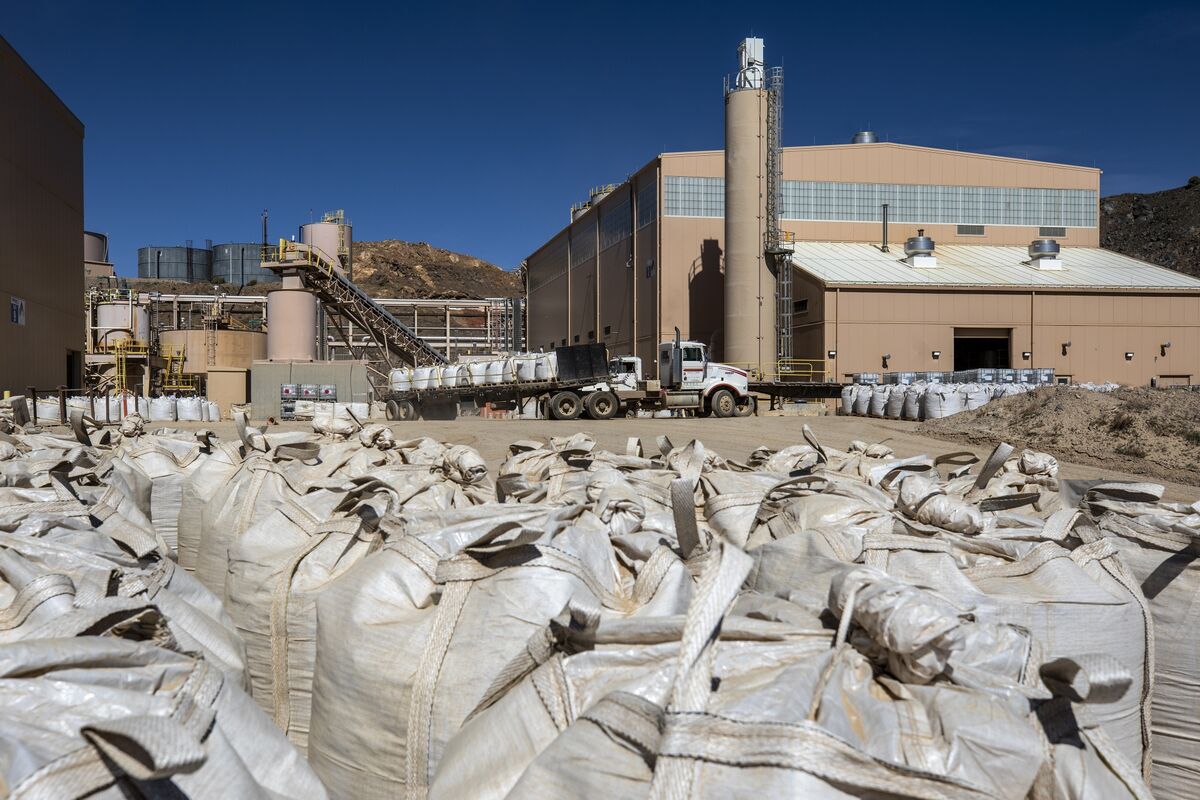
The G-7 nations are developing an action plan to diversify their supply chains for critical minerals, aiming to reduce reliance on dominant producers amid concerns about economic vulnerabilities. The initiative, expected to be formalized at the upcoming G-7 meeting in Canada, will promote investment in new projects and address potential threats to member economies stemming from current supply chain practices in the rare earths and critical minerals sector, where China holds a significant market share.
The Group of Seven (G-7) leading economies are actively developing a strategic "action plan" to mitigate economic risks associated with their significant reliance on concentrated sources for critical minerals, implicitly targeting China, which accounts for nearly 70% of global rare earth production. This initiative, expected to be formalized at their Kananaskis, Canada meeting, aims to diversify supply chains by encouraging "immediate and scaled investment" in new mineral projects. The G-7's explicit concern over the "threat to our economies" posed by current supply sector practices underscores the geopolitical and economic importance of securing stable access to materials vital for a wide range of technologies, from mobile phones to wind turbines. This move reflects a defensive posture to bolster supply chain resilience against potential disruptions and geopolitical leverage, signaling a potentially significant long-term shift in global mineral sourcing strategies.
AI-powered research, real-time alerts, and portfolio analytics for institutional investors.
Request DemoOverall Sentiment
moderately positive
Sentiment Score
0.50
