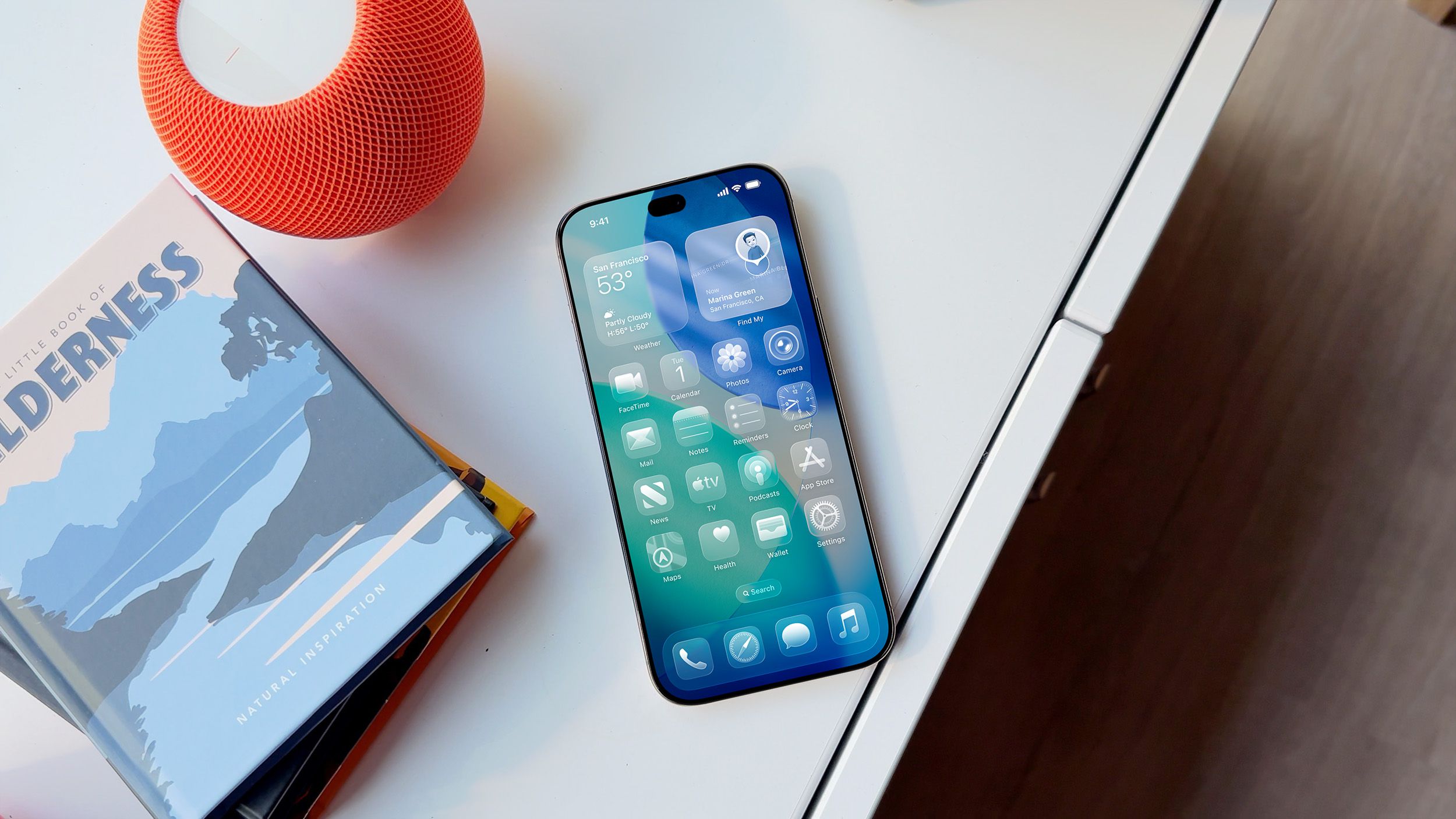
Apple is expected to finalize OLED panel approvals for the iPhone 18 Pro and Pro Max this month, with Samsung Display and LG Display likely to dominate supply. BOE appears to have been excluded from premium-tier panels due to LTPO+ quality and yield issues, while the iPhone 18 Pro is also expected to adopt more power-efficient LTPO+ display technology and Samsung under-screen infrared components. The report points to a supply-chain reshuffle and incremental product upgrades ahead of a September 2025 launch.
This is less about a single iPhone feature and more about Apple tightening control over a critical component bottleneck. The likely implication is a modest but real mix shift toward the highest-end models, because display power efficiency and under-panel sensor integration are the kinds of upgrades that justify premium pricing and reduce perceived upgrade friction. That matters for AAPL because the market tends to underwrite hardware launches on unit counts, while gross margin expansion from ASP mix and attachment rates can be the bigger driver if the feature set lands well.
The supply-chain read-through is more interesting: if one Chinese supplier is excluded from the premium tier, Apple’s panel sourcing becomes even more concentrated in Korea, increasing leverage for the incumbent duo but also raising Apple’s dependency risk. In the near term, that usually supports better utilization, pricing discipline, and profitability for the survivors; over 6–18 months, it also incentivizes Apple to keep pushing multi-sourcing and to fund second-source qualification in adjacent product lines to avoid being hostage to any single yield curve.
The market may be underestimating how little this changes the near-term AAPL earnings model. Display improvements rarely move the stock on launch alone unless they meaningfully shift replacement cycles or attach to an AI/feature narrative; here the bigger catalyst is likely the September product event, not this month’s approval cycle. The contrarian view is that expectations for a thinner Dynamic Island and better battery life could already be embedded in sell-side estimates, so any delay, muted design change, or incremental rather than transformative feature set could disappoint despite healthy demand.
For the panel vendors, the key second-order effect is that premium-tier inclusion is becoming a “winner-takes-most” game with higher quality gates. That tends to compress the strategic optionality of the excluded supplier and can trigger valuation derating if investors had been pricing a broader Apple share recovery; meanwhile, the Korean suppliers get a cleaner earnings path but face eventual margin normalization if Apple squeezes component pricing after qualification is locked in.
AI-powered research, real-time alerts, and portfolio analytics for institutional investors.
Request DemoOverall Sentiment
neutral
Sentiment Score
0.05
Ticker Sentiment
