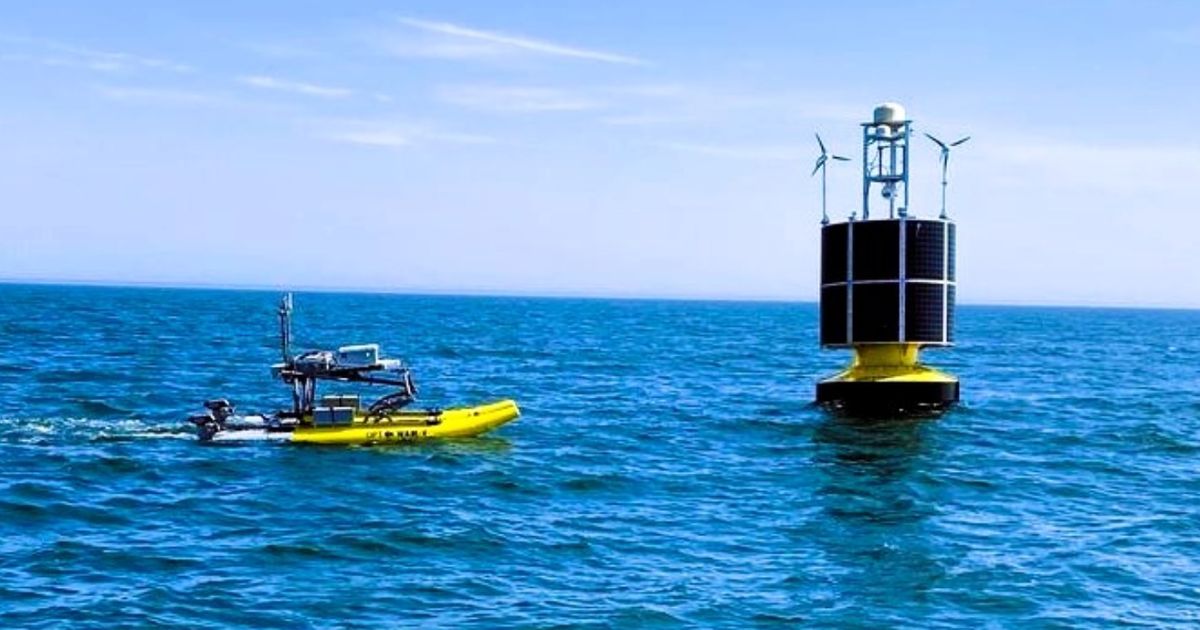
Ocean Power Technologies shipped a WAM-V autonomous surface vehicle to Greece and advanced its integrated docking-and-charging program from prototype to full-scale build, placing component orders and targeting an early-access commercial solution in 2026. Combined with reported autonomy improvements from its Mythos AI partnership, these developments expand OPTT's international operational footprint and enhance capabilities for persistent offshore operations across defense and commercial maritime markets, though no financial metrics or revenue guidance were disclosed.
Market structure: OPTT’s move toward autonomous docking/charging makes it a potential winner among small-cap maritime autonomy and battery-reliant equipment suppliers; immediate beneficiaries include OPTT (OPTT) and suppliers of marine batteries/copper wiring (multiyear incremental demand +5-15% for specialized connectors if adoption scales). Losers are incumbents reliant on crewed, manned-service models (OSV/crew logistics) over 1–3 years as persistent autonomy reduces trip frequency. Cross-asset: news is microcap-specific so near-term bond/FX impact is negligible, but battery-metal (Cu/Li) microdemand uptick and select defense supplier credit spreads could tighten with visible government contracts.
Risk assessment: Tail risks include prototype/validation failure, export/regulatory blocks (ITAR/EAR) or Mythos AI integration faults that could trigger >50% drawdowns in OPTT within 3–12 months. Immediate (days) effects are headline-driven IV spikes; short-term (weeks–months) depends on open-water validation and initial contracts; long-term (2–5 years) hinges on infrastructure scale economics and capital intensity. Hidden dependencies: port/operator permissions, insurance/liaibility regimes, and component suppliers (ordered parts backlog) — a single supplier disruption could delay 6–12 months. Key catalysts: open-water validation results (next 3–6 months), first commercial sale(s) (by H2 2026), and any DoD awards.
Trade implications: Direct: consider establishing a tactical 2–3% long in OPTT (position sized 0.5–2% portfolio) targeting 30–80% upside in 6–12 months if early-access launch wins 1–3 commercial/defense contracts; use 25% stop-loss. Options: buy 6–9 month call spreads on OPTT to cap premium (debit spread sized to match 0.5–1% portfolio risk) to capture H2 2026 launch. Sector: overweight autonomy/robotics ETF ARKQ (1–2% tactical allocation) to diversify theme exposure.
Contrarian angles: Consensus optimism may underprice capital intensity — full-scale docking networks require substantial capex and long sales cycles, so downside binary risk is material and likely underappreciated by retail-driven spikes. If open-water validation slips beyond 3–6 months, implied volatility will collapse; consider shorting near-term IV after any post-proof rally. Historical parallel: small autonomy winners often see 2–3x swings around technical milestones; size positions accordingly and favor option-defined-risk structures.
AI-powered research, real-time alerts, and portfolio analytics for institutional investors.
Request DemoOverall Sentiment
mildly positive
Sentiment Score
0.30
Ticker Sentiment
