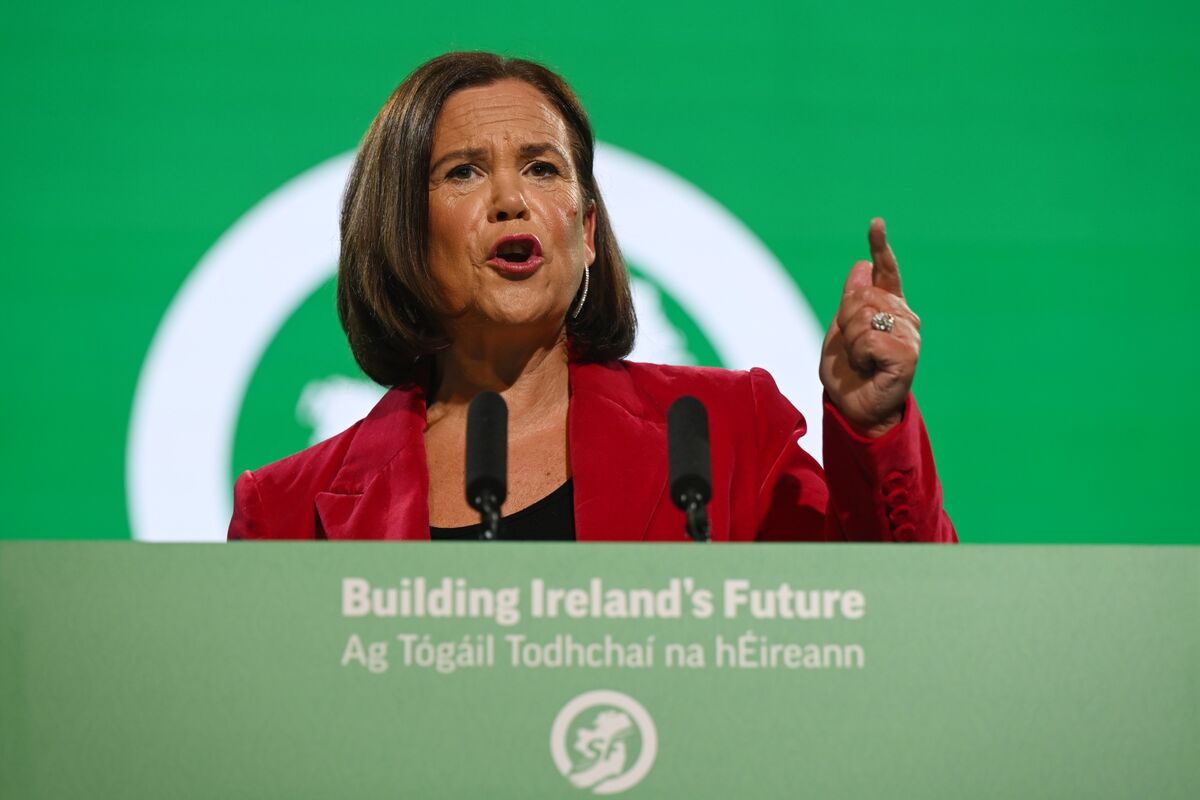
Ireland faces two elections on Friday amid rising voter anger over fuel prices and growing resentment toward the incumbent center-right coalition. The article suggests the political landscape is shifting left and right, but provides no immediate policy or market-moving results yet. Impact is primarily political sentiment rather than direct financial market news.
The marketable signal here is not election outcome risk per se, but the probability of a policy drift toward higher transfer payments, tougher rhetoric on household energy costs, and slower implementation of fiscal restraint. That combination is mildly negative for domestic cyclicals with Ireland exposure because it biases the next 6-12 months toward weaker consumer confidence and more cautious discretionary spending, even if the direct legislative impact is limited by coalition math.
The second-order winner is any business tied to basic-needs spending and value retail, as households under pressure typically trade down before they cut consumption outright. The loser set is more nuanced: firms relying on premium-ticket consumer spending, local services, and energy-sensitive demand can see margin compression if wage demands and price controls become part of the political response to protest risk.
The bigger tail risk is contagion to broader European policy debate. If these elections are read as another data point on voter backlash to living-cost pressure, investors may start assigning a higher probability to interventionist energy policy and weaker fiscal discipline across peripheral Europe over the next few months, which would matter more for rate-sensitive assets than for Ireland itself. The key reversal catalyst would be a decisive pro-business result or a rapid normalization in fuel and food prices, which could quickly deflate the protest premium embedded in domestic sentiment.
Consensus may be overestimating immediacy and underestimating durability: elections can whipsaw headlines, but consumer behavior changes only if energy costs remain elevated long enough to force persistent trade-down. That argues for treating this as a modest negative for Irish domestic demand rather than a broad macro shock, unless the vote is followed by concrete subsidy or tax measures that widen fiscal slippage.
AI-powered research, real-time alerts, and portfolio analytics for institutional investors.
Request DemoOverall Sentiment
mildly negative
Sentiment Score
-0.15
