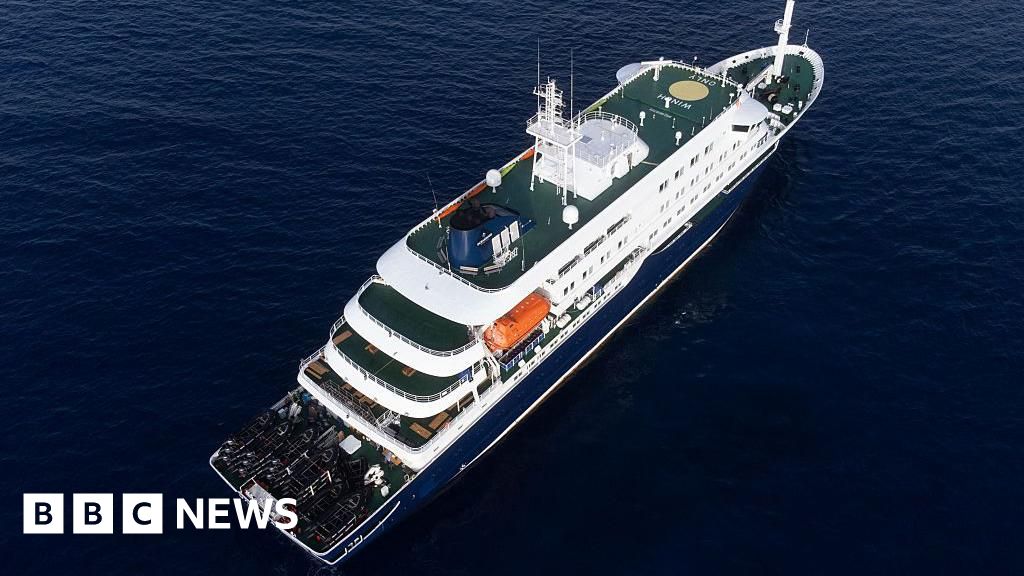
WHO says there may have been human-to-human transmission of hantavirus aboard the MV Hondius cruise ship, where 3 passengers have died and 7 cases have been identified so far, including 2 confirmed and 5 suspected. The ship remains under strict precautionary measures near Cape Verde with 149 people from 23 countries still onboard, while additional testing, disinfection, and medical evacuations are underway. The public-health risk is described as low, but the incident is negative for cruise/travel sentiment and highlights operational disruption.
This is less a direct market event than a stress test for the travel complex. The key second-order risk is not mortality headlines per se, but the operational response: quarantines, rerouting, medical evacuation, and ship sanitization create immediate cost escalation and revenue leakage for small-cap expedition operators, while also reminding insurers and lenders that biosecurity is a live underwriting variable again. The market will likely underprice the duration of disruption because the decision tree depends on lab confirmation and port-state clearance, which can take days to weeks and keeps cash flow hostage.
The most exposed names are not the global cruise leaders with diversified fleets, but niche expedition and boutique operators whose voyages are harder to rebook and whose customers are paying for destination scarcity, not just cabin nights. Expect a sharper hit to booking conversion in polar/remote itineraries and to charter demand for similar vessels over the next 1-2 quarters, as travelers and travel advisors add a new filter for medical contingency planning. Suppliers tied to onboard operations—maritime services, specialist insurers, medical evacuation providers—may see a modest offset from higher demand for compliance and emergency readiness, but that benefit is likely more durable than the revenue loss for operators.
The contrarian read is that the headline risk is probably being extrapolated beyond the actual equity impact. Human-to-human transmission, if confirmed, is still a rare-path event, and the public-health response is likely to stay contained unless there is evidence of a broader spread outside the ship. That means the best trade is probably not a broad short on cruise lines, but a relative-value expression against the more vulnerable expedition niche if the market re-prices biosecurity risk into future itineraries.
AI-powered research, real-time alerts, and portfolio analytics for institutional investors.
Request DemoOverall Sentiment
strongly negative
Sentiment Score
-0.55
Catalyst timing matters: the next 3-7 days should clarify whether this remains an isolated onboard containment issue or becomes a reputational drag on the sector. If no additional cases emerge after screening and evacuation, the selloff should fade quickly; if there are more symptomatic passengers or port refusals, the drawdown could extend into the next booking cycle and pressure summer/fall load factors.
