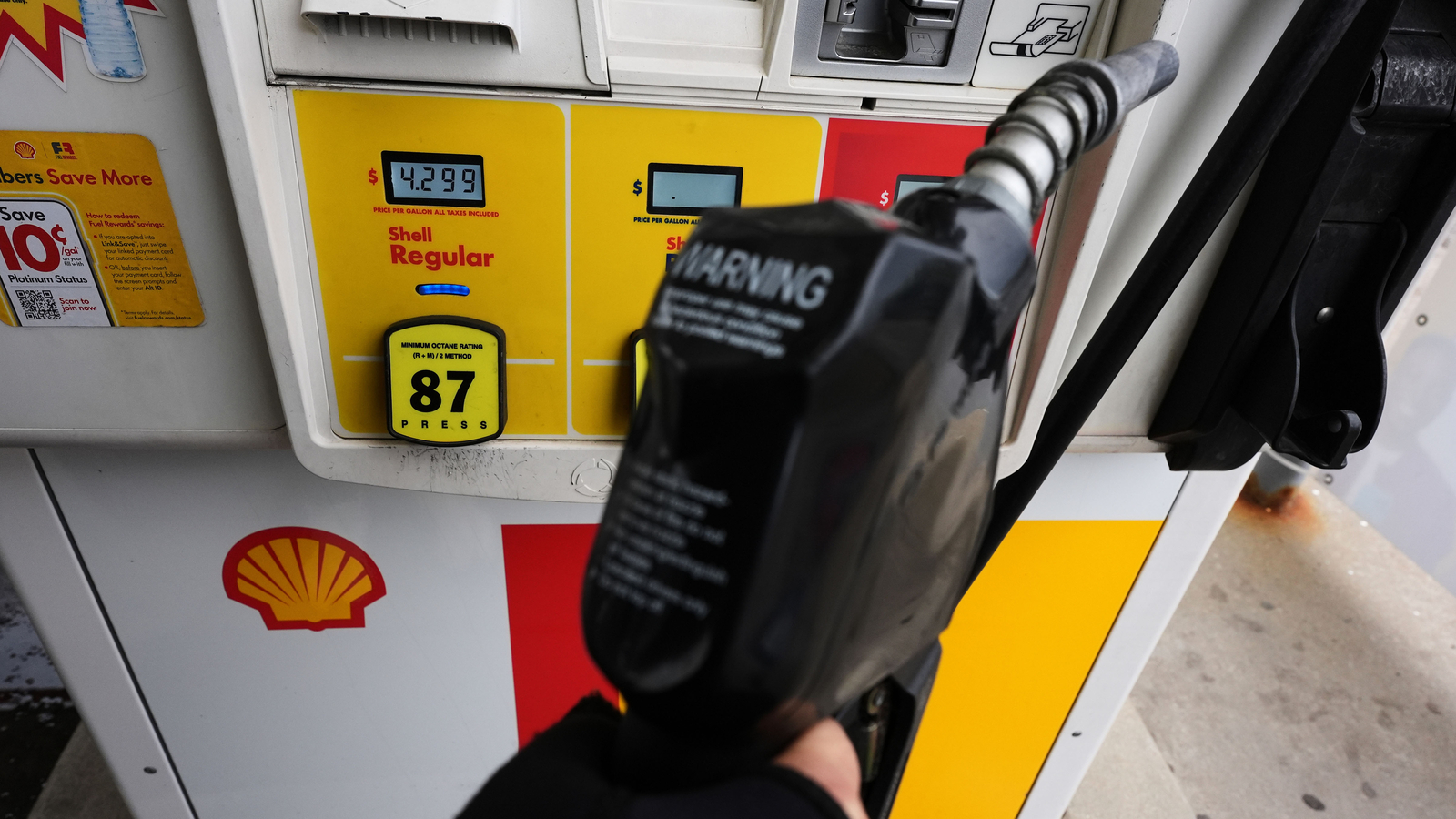
Brent crude briefly spiked to $126.41 a barrel, while WTI was flat at $106.7, as traders priced in escalation risk from the US-Iran conflict and a prolonged Strait of Hormuz disruption. US average gasoline prices hit a four-year high of $4.30 a gallon, underscoring inflation pressure and supply stress after eight straight days of gains in global crude prices. The article highlights a broad market repricing of Middle East supply risk, with potential for further upside if energy infrastructure is hit or the blockade is extended.
The market is pricing not just a higher oil equilibrium, but a regime shift in supply reliability. When shipping insurance, port access, and futures curve mechanics all break at once, the first-order move in crude can understate the second-order hit to margins for refiners, airlines, chemicals, and any importer with weak hedging discipline. The biggest near-term winner is volatility itself: front-end options, calendar spreads, and physical/financial basis dislocations should remain elevated until the Strait of Hormuz reopening is credible, not merely discussed.
The key underappreciated feedback loop is inflation pass-through into policy and demand destruction. A sustained move above current levels meaningfully compresses real disposable income in the US and Europe within weeks, which is bearish for discretionary retail, travel, and eventually industrial freight. In Asia, where energy import dependence is highest, this becomes a working-capital and FX stress event first, then a demand event; that argues for stress in EM importers before you see a broad global recession print.
Consensus is likely underestimating how quickly the curve can invert from panic to normalization if diplomacy or a verifiable shipping workaround appears. The market is currently paying up for tail risk, so the better expression is not outright long crude, but long convexity tied to continued disruption and short beneficiaries with fragile margins. DB’s modest sensitivity implies the credit channel is the cleaner read-through than the equity channel: tighter spreads in energy lenders are less likely than a rerating in financials exposed to consumer and transport credit deterioration.
AI-powered research, real-time alerts, and portfolio analytics for institutional investors.
Overall Sentiment
strongly negative
Sentiment Score
-0.55
Ticker Sentiment
