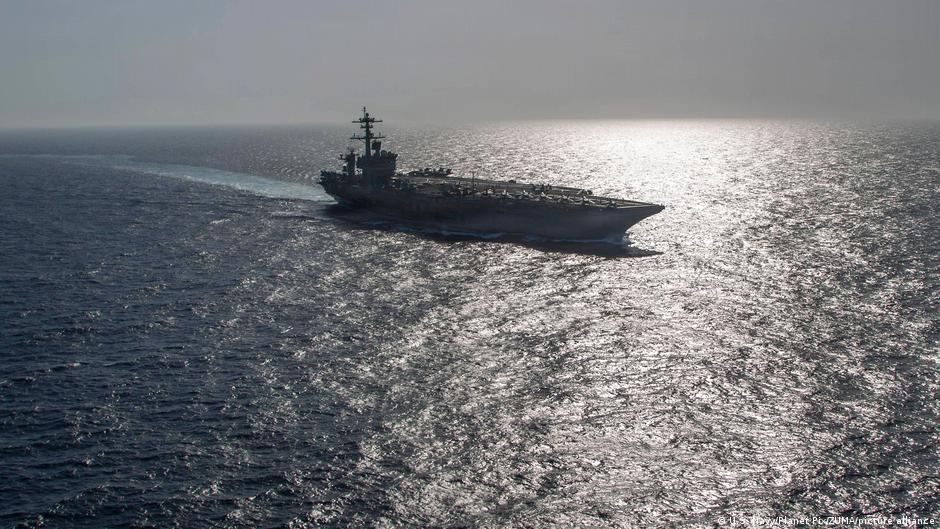
The Strait of Hormuz standoff has entered its fourth month, with Iran charging up to $2 million for safe passage while the U.S. naval embargo blocks Iranian oil exports. The crisis is already costing Iran about $435 million per day in trade and an estimated $17 billion in public-finance losses over 39 days, while also contributing to surging oil prices and inflation pressures. Negotiations remain stalled, raising the risk of broader regional escalation and a material market-wide shock.
The market is underpricing how asymmetric a prolonged Hormuz disruption is for non-US Asia first, and for Gulf capex second. The immediate economic pain is concentrated on Iranian cash flow, but the second-order damage is more important: every week of blockage forces refiners, shippers, and insurers to re-price route optionality, which raises delivered energy costs across the import stack even if headline crude eventually stabilizes. That tends to show up first in Asian import-dependent industrials, LNG-linked logistics, and marine insurance rather than in the upstream energy complex.
The key tactical point is that this is a credibility contest, not a military one. Because neither side has an easy off-ramp, the market should assign a higher probability to a long-duration, low-grade disruption than to a sudden resolution. That favors sustained volatility in Brent, higher time charter rates, and persistent risk premia in Gulf-adjacent assets; it also means the most exposed equities are not necessarily oil producers, but sectors whose earnings are hostage to input costs, freight bottlenecks, and policy pressure from inflation-sensitive consumers.
Contrarianly, the consensus may be too focused on oil as the only transmission channel. The bigger medium-term loser may be the Gulf growth model itself: if capital flight, insurance costs, and route uncertainty persist, the region’s industrialization and tourism timelines get pushed out, which matters for contractors, airport/port operators, and local banks financing megaprojects. A stable ceasefire would unwind part of this fast, but absent a breakthrough, the trade is less about a one-time energy spike and more about a multi-quarter repricing of regional risk and logistics friction.
The downside tail is escalation via miscalculation rather than deliberate policy. A single strike on civilian infrastructure or a shipping casualty with mass fatalities could force retaliatory actions that expand the conflict and create a sharper, temporary bid in crude, defense, and cyber/security spend. The window for that tail is days to weeks; the base case persistence window is months.
AI-powered research, real-time alerts, and portfolio analytics for institutional investors.
Request DemoOverall Sentiment
strongly negative
Sentiment Score
-0.72
