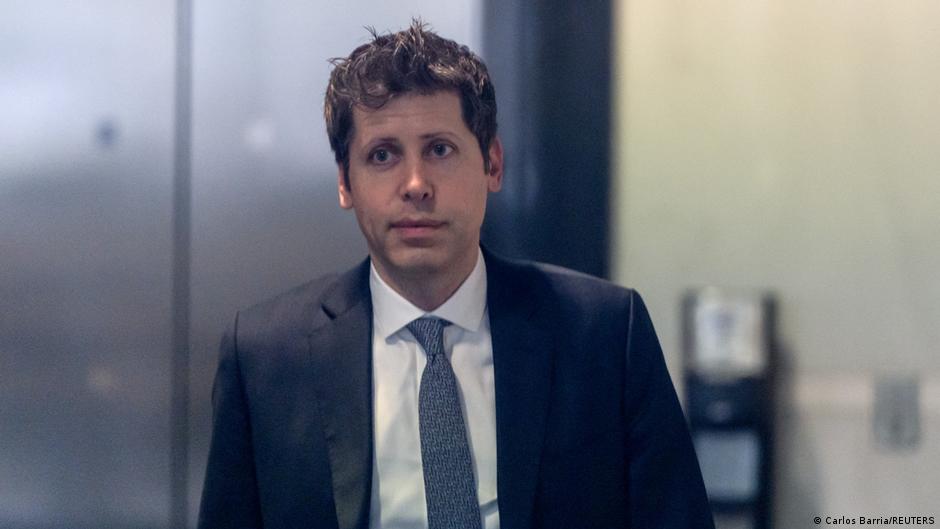
The OpenAI vs. Elon Musk trial entered its third week, with Musk seeking about $150 billion in damages, nonprofit control of OpenAI, and removal of Sam Altman and Greg Brockman. Altman testified that Musk wanted majority control of OpenAI, including an early proposal for 90% of the equity, while OpenAI’s chair said Musk’s xAI-led consortium made a takeover offer in February 2025. The case could affect OpenAI’s structure and competitive position in AI, but the immediate market impact is likely limited to the company and its investors.
This trial is less about retroactive damages than about whether AI control rights are now the real scarce asset. If the court forces any governance reset or even creates discovery risk around prior financing terms, the market will start pricing a higher probability that frontier-model economics migrate from “winner-take-most” to “winner-with-constraints,” which matters most for the strategic partner with the deepest operating exposure.
MSFT is the cleaner near-term loser because its OpenAI dependency is both financial and strategic: any ruling that slows commercialization, weakens exclusivity, or introduces board-level restrictions would compress the option value embedded in Azure AI demand and Copilot adoption. Even without an adverse verdict, the headline overhang can slow enterprise procurement decisions for 1-2 quarters as CIOs wait for governance clarity, which is a subtle but real drag on monetization cadence.
GOOGL is a relative beneficiary on a 6-18 month horizon because litigation noise around OpenAI raises the hurdle rate for customers who want perceived neutrality, reliability, and lower key-person risk. If investors conclude the best AI model provider can be encumbered by control disputes, capital may rotate toward the incumbent hyperscalers with integrated stacks and less governance drama. The second-order effect is also favorable for the broader AI supply chain: chip demand may stay intact, but valuation dispersion between model-layer pure plays and platform owners should widen.
The contrarian angle is that the market may be overestimating legal tail risk and underestimating settlement incentives. A messy public trial increases the odds of a negotiated restructuring or governance compromise rather than a nuclear outcome, which would preserve OpenAI’s commercial trajectory while reducing headline risk. That means the best trade is likely volatility positioning, not an outright conviction bet on a permanent winner.
AI-powered research, real-time alerts, and portfolio analytics for institutional investors.
Request DemoOverall Sentiment
mildly negative
Sentiment Score
-0.15
Ticker Sentiment
