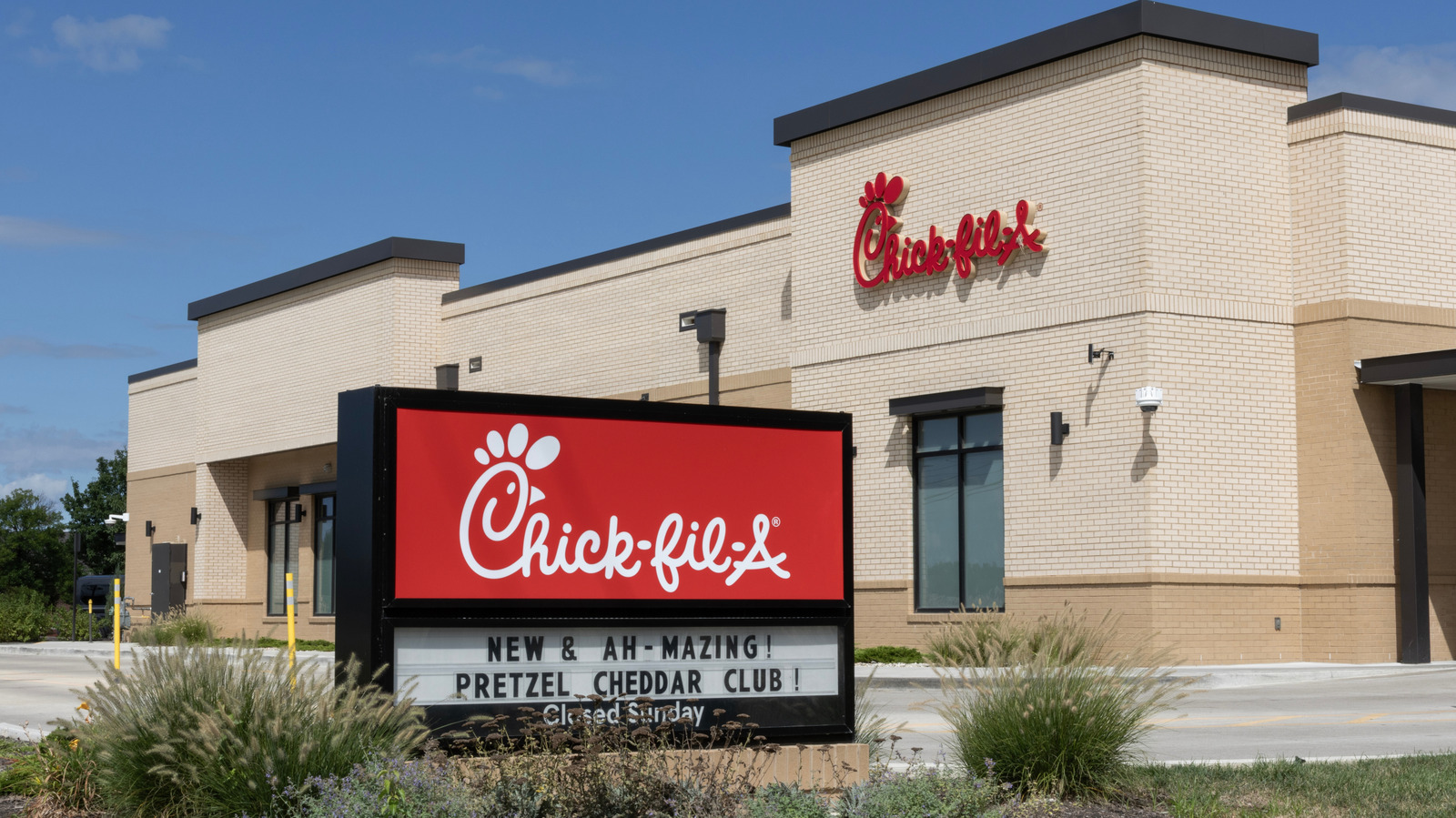
Chick‑fil‑A disclosed that its rate of sales growth slid to single digits in 2024—the first time since 2013—against industrywide monthly traffic declines in 2025, prompting a broad promotional response. The privately held chain is rolling out an ’Newstalgia’ campaign for its 80th anniversary that includes Frosted Sodas & Floats, retro packaging, limited‑edition Classic Cups priced at $3.99 (with 3,000 'Golden Fan Cups' awarding free Chick‑fil‑A for a year), and additional merch and events to drive traffic and counter consumer pressure from inflation and higher restaurant prices.
Market structure: Chick‑fil‑A’s Newstalgia campaign is a defensive demand-engine tactic that disproportionately benefits scale operators with strong brand equity (e.g., MCD) and merch/loyalty monetization skills, while smaller fast‑casual chains and independent diners face greater share loss and margin pressure. Expect temporary traffic cadence shifts (collectible-driven visits) that lift AUVs by low‑single digits immediately but risk only a short-lived comp boost unless backed by sustained LTV improvements.
Risk assessment: Key tail risks are franchisee pushback or legal/regulatory scrutiny around sweepstakes (Golden Fan Cup), commodity shocks (avian flu raising chicken prices >10%), and labor constraints that erode promised operational excellence. Short window impact: days–weeks for traffic spikes; short term: 1–3 quarters for comp/margin visibility; long term: 3–18 months dependent on repeat purchase and unit economics.
Trade implications: Favor reallocating into high‑scale quick service and cash‑light merch beneficiaries (MCD) and away from experience‑dependent sit‑down/casual names and Starbucks (SBUX) which shows weaker sentiment. Use relative and volatility strategies: calibrated long MCD (directional or 12‑month 10% OTM calls) vs SBUX downside via 6–9 month put spreads to capture asymmetric payoff while limiting capital at risk; hedge sector exposure with XLY tail protection.
Contrarian angles: The market underestimates promotional fatigue and margin erosion—nostalgia gives short spikes, not sustainable share without price/value tradeoffs—so a “buy the bump” thesis for small chains is risky. Historical parallels (McDonald’s Grimace) show ~4–12 week bumps then reversion; if comps revert within two quarters, overpaid growth names will rerate before fundamentals catch up.
AI-powered research, real-time alerts, and portfolio analytics for institutional investors.
Request DemoOverall Sentiment
mildly positive
Sentiment Score
0.12
Ticker Sentiment
