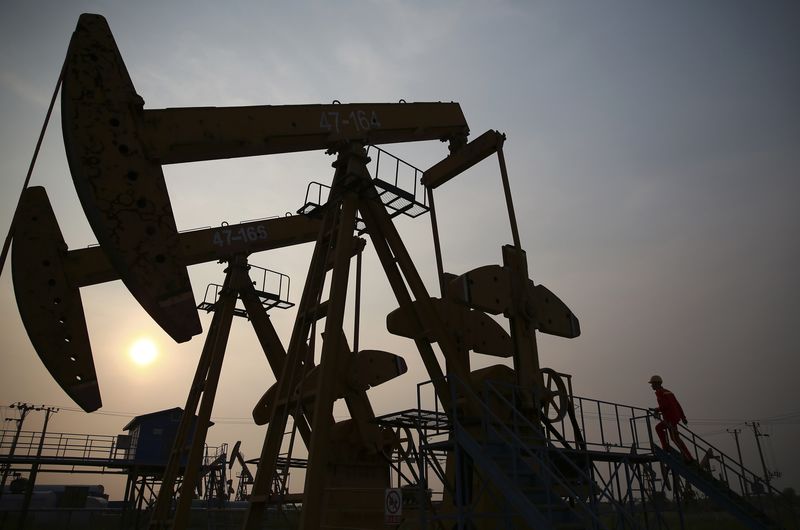
Oil prices extended gains to a seven-week high, with Brent and WTI futures poised for over 4% weekly increases, driven by concerns over Russian supply disruptions and a significant draw in U.S. crude inventories. This bullish momentum is tempered by renewed U.S. tariff announcements, including a 25% duty on heavy-duty trucks that could impact diesel demand, and uncertainty regarding future Federal Reserve interest rate cuts following stronger-than-expected Q2 U.S. GDP growth.
Oil prices have reached a seven-week high, with both Brent and West Texas Intermediate futures on track for a weekly gain exceeding 4%, driven by a confluence of supply-side pressures. The primary catalyst is mounting risk to Russian exports, stemming from Moscow's decision to curb diesel and gasoline exports through 2025, compounded by Ukrainian drone attacks on key Russian refineries in regions like Samara and Bashkortostan. The prospect of new Western sanctions on Russia further amplifies supply concerns. On the demand side, bullish sentiment was reinforced by a larger-than-expected drawdown in U.S. crude inventories, with API data showing a 3.8 million barrel decline, signaling a tightening near-term market balance. However, these gains are being capped by significant macroeconomic headwinds. The announcement of new U.S. tariffs, notably a 25% duty on heavy-duty trucks, threatens to increase transportation costs and potentially weaken diesel demand. Concurrently, stronger-than-expected U.S. Q2 GDP growth has increased uncertainty around the timing of Federal Reserve interest rate cuts, with the market now awaiting the upcoming PCE price index for further guidance on monetary policy that could impact future fuel consumption.
AI-powered research, real-time alerts, and portfolio analytics for institutional investors.
Overall Sentiment
mixed
Sentiment Score
0.00
