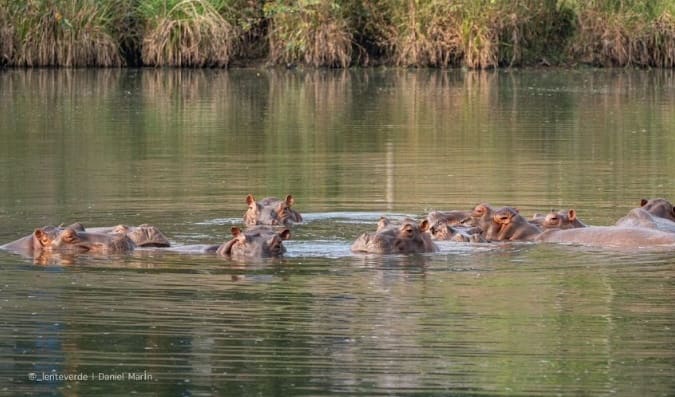
Anant Mukesh Ambani and Vantara have предложено relocating 80 invasive hippos from Colombia’s Magdalena River basin to Vantara in Jamnagar instead of a lethal cull. The plan includes full scientific, operational and financial support, but would require approvals from Colombian and Indian authorities plus other clearances. The story is primarily a conservation and policy development with limited direct market impact.
The market implication is not about hippos per se; it is about the escalating premium on firms that can convert reputational capital into regulatory optionality. This kind of cross-border conservation intervention is a low-probability, high-visibility event that tends to benefit the sponsor’s governance narrative more than near-term cash flow, but it can matter at the margin for conglomerates with politically sensitive global footprints. For Reliance-linked assets, the relevant second-order effect is that the group’s “license to operate” discount may compress modestly if policymakers and investors view this as evidence of soft-power execution rather than pure philanthropy.
The bigger catalyst path is binary and slow-moving: approval friction across two governments and international wildlife protocols means the headline can persist for weeks to months, while the actual translocation outcome likely lives on a much longer horizon. That creates a classic event-driven setup where sentiment can improve on each incremental procedural milestone, but execution risk is high and a single regulatory objection could unwind the narrative quickly. The main tail risk is reputational blowback if the proposal is perceived as impractical or as importing ecological risk into India, which could flip the story from ESG-positive to governance-overreach.
From a competitive lens, Vantara’s model strengthens the case for large, privately funded conservation platforms as a substitute for underfunded public wildlife infrastructure in emerging markets. If successful, this could create a template that compresses opportunity for smaller NGOs and government-run facilities while expanding demand for specialist veterinary transport, biosecurity, and habitat engineering services. The contrarian read is that the market may be underestimating how little direct financial impact this has on the sponsor relative to the outsized PR leverage, so the cleanest trade is around perception-sensitive proxies rather than the event itself.
AI-powered research, real-time alerts, and portfolio analytics for institutional investors.
Request DemoOverall Sentiment
neutral
Sentiment Score
0.15
Ticker Sentiment
