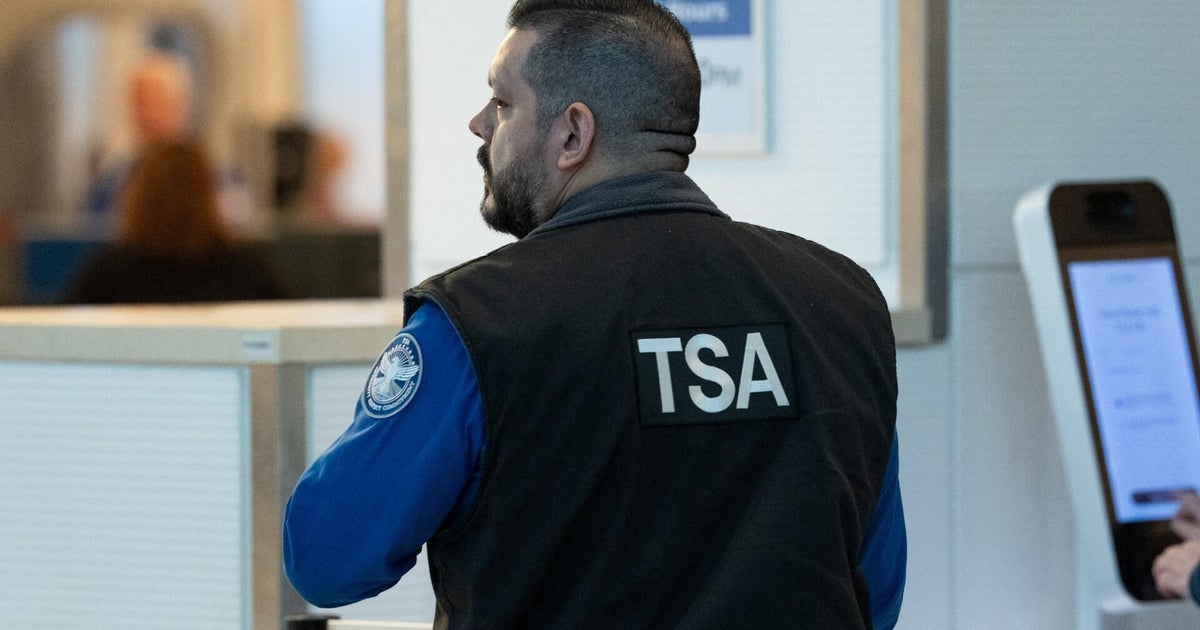
36% of TSA employees assigned to Hartsfield-Jackson did not report to work amid a federal funding stalemate, and TSA workers missed their first full paycheck since the partial government shutdown began in mid-February, prompting longer security lines. Atlanta airport is urging travelers to arrive at least three hours early and is coordinating with partners to manage passenger flow. FlightAware reported thousands of delays nationwide as weather and operational issues compounded travel disruptions, and officials warned that a continued funding impasse could cause operational disruptions at some airports.
Operational friction at major U.S. hub airports creates concentrated margin pressure for carriers whose schedules and crew networks are anchored in a single dominant hub. When hub throughput degrades, disruption costs (crew re-accommodation, passenger reaccommodation, repositioning flights) compound non-linearly because they force multi-day crew and aircraft misalignments; for a large hub carrier this can amplify daily variable costs into the mid‑to‑high single‑digit millions within a multi‑day event.
Ancillary pockets of demand reallocate quickly: on‑ground mobility (ride‑hailing, short‑term rentals) and off‑airport services capture a spike in same‑day bookings and longer dwell times. Conversely, network carriers face higher operational fragility than point‑to‑point operators because their recovery levers (spare aircraft, banked crews) are stickier and more capital‑intensive, creating an asymmetric P&L hit per disrupted passenger.
Near term (days–weeks) the dominant catalysts are weather and cascading crew duty constraints; medium term (weeks–months) political resolution or formal emergency pay/mandates can restore throughput rapidly. The largest tail risk is multi‑week persistence that forces durable demand substitution (more road travel, modal shift), which would lower carrier yields and raise rebooking costs over a quarter or more.
Consensus underestimates how quickly ancillary and ground transport revenue can reprice higher and how transient airline stock moves will be if the operational glitch resolves; this argues for time‑boxed, event‑sized trades rather than large directional portfolio tilts that assume structural demand loss.
AI-powered research, real-time alerts, and portfolio analytics for institutional investors.
Request DemoOverall Sentiment
mildly negative
Sentiment Score
-0.30
