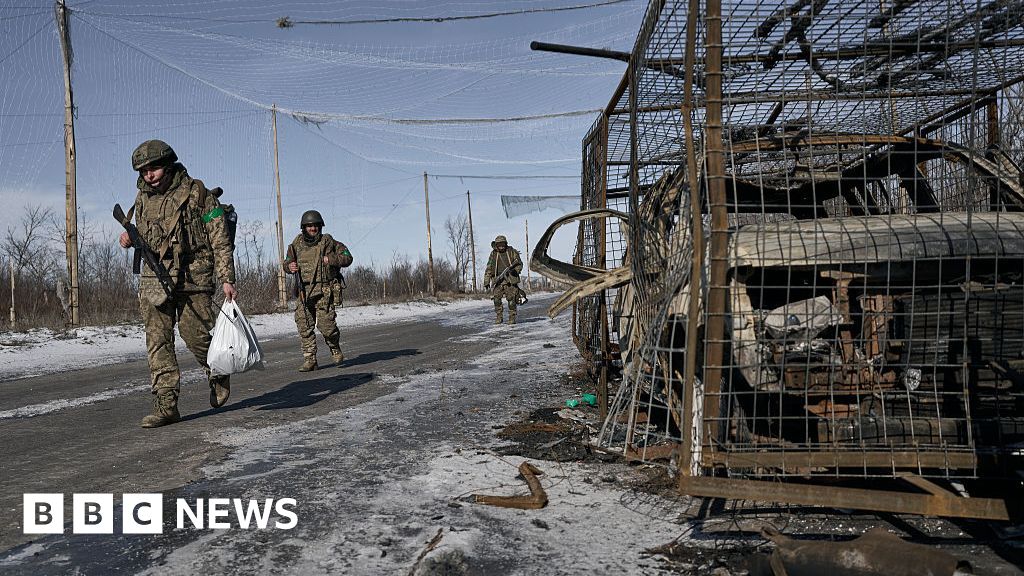
Trilateral peace talks in Geneva between Russia, Ukraine and the US concluded without a breakthrough, with parties describing discussions as difficult despite limited progress on military issues such as front-line delineation and ceasefire monitoring. Major obstacles remain, notably Russia's insistence on full control of the Donbas and the unresolved status of the Zaporizhzhia nuclear plant, while US and European involvement — and political pressure from President Trump — signal continuing geopolitical risk that could sustain elevated defense and energy market volatility.
Market structure: A stalled but ongoing diplomacy signals persistent tail-risk premium for energy, defense and insurance sectors. Expect upward pressure on Brent/TTF spreads if ceasefire remains out of reach — a sustained 10–20% volatility spike in oil/gas over 1–3 months is plausible, favoring integrated producers (XOM, CVX) and LNG shippers while squeezing European utilities and industrials exposed to Ukrainian/Gazprom flows.
Risk assessment: Near-term (days–weeks) risk is headline-driven: missile strikes or plant incidents near Zaporizhzhia would trigger risk-off flows to USD, gold (GLD) and US Treasuries (TLT) and a >5% one-week drop in European equities (VGK). Medium-term (3–12 months) tail risks include renewed large-scale offensive or nuclear incident leading to sanctions escalation that could freeze energy contracts and disrupt supply chains; probability low but impact >$50bn in lost European GDP exposure.
Trade implications: Tactical trades favour defense and energy longs and European/EM hedges. Position sizes: 1–3% portfolio long in US defense (LMT, NOC, RTX) for 6–12 months; 1–2% overweight XLE or call spreads on XOM for 3–6 months if Brent >$10 up-move occurs; buy 0.5–1% GLD and 1% TLT as tail insurance in next 2–6 weeks. Use put protection on VGK (1–3 month puts) or buy VIX call exposure if headlines deteriorate.
Contrarian angles: Consensus prices persistent stalemate as static risk; miss is that incremental, localized deals (prisoner swaps, front-line demarcation) reduce immediate escalation risk but leave a chronic supply shock. If next 60–90 days bring small, verifiable agreements on front-line monitoring, oil/gas volatility could mean-revert 20–40% — plan to trim energy/defense longs on 15–25% rallies and redeploy into cyclicals beaten down in H2 2026.
AI-powered research, real-time alerts, and portfolio analytics for institutional investors.
Request DemoOverall Sentiment
moderately negative
Sentiment Score
-0.60
