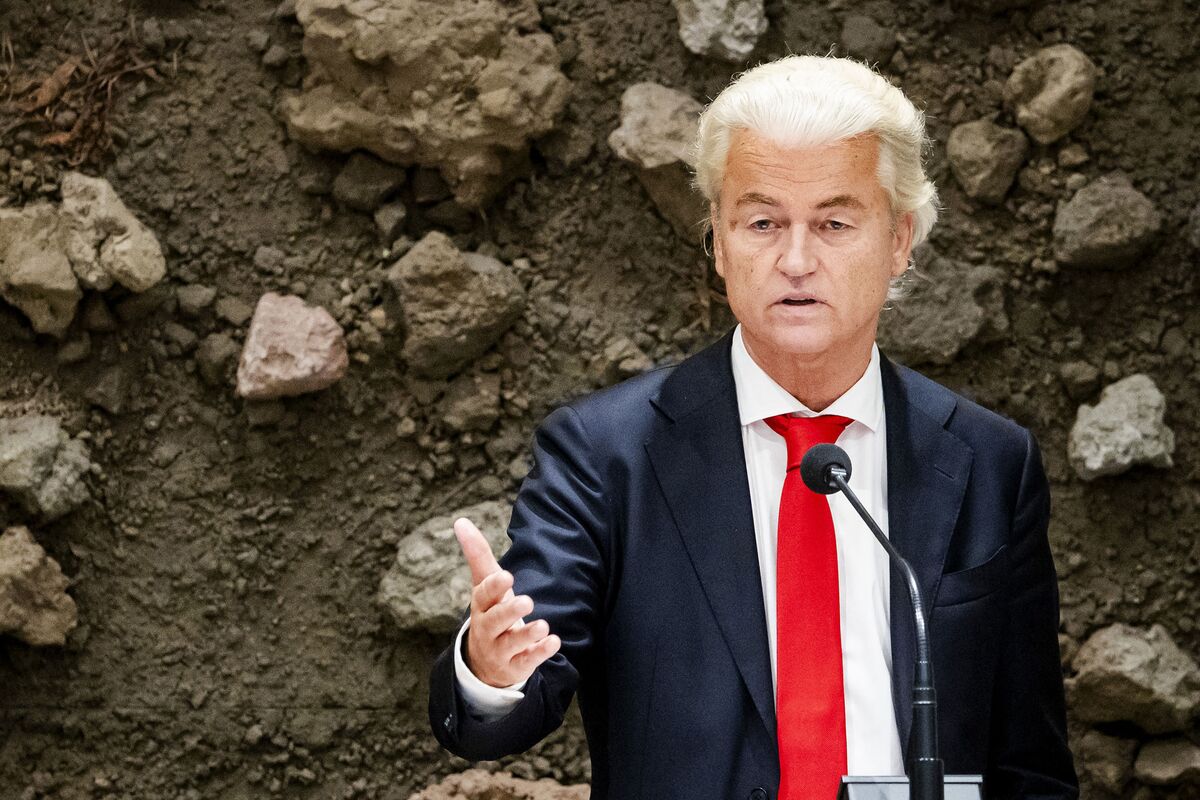
Geert Wilders, leader of the far-right Freedom Party, withdrew from the Dutch coalition government due to disagreements over immigration policies, likely triggering early elections. While his party is currently the largest in parliament, its recent decline in popularity casts doubt on Wilders' ability to significantly influence the next government. This action marks a significant disruption to Dutch politics given Wilders' long-standing presence and controversial stances.
The withdrawal of Geert Wilders' Freedom Party from the Dutch coalition government, stemming from disagreements over stricter immigration policies, has destabilized the year-old administration and makes early elections the most probable scenario. While the Freedom Party currently holds the largest number of parliamentary seats following its November 2023 election victory, a recent erosion in its popularity casts doubt on Wilders' ability to maintain his 'kingmaker' status in forming a future government. Wilders, a contentious figure in Dutch politics for decades due to his anti-Islam stance, has a history of disrupting coalitions, notably providing external support then withdrawing from a minority government between 2010 and 2012. This political upheaval, reflected in a moderately negative sentiment score of -0.5 and a market impact score of 0.5, signals increased uncertainty within the Dutch political environment, which could influence domestic policy direction and investor sentiment towards Dutch assets.
AI-powered research, real-time alerts, and portfolio analytics for institutional investors.
Request DemoOverall Sentiment
moderately negative
Sentiment Score
-0.50
