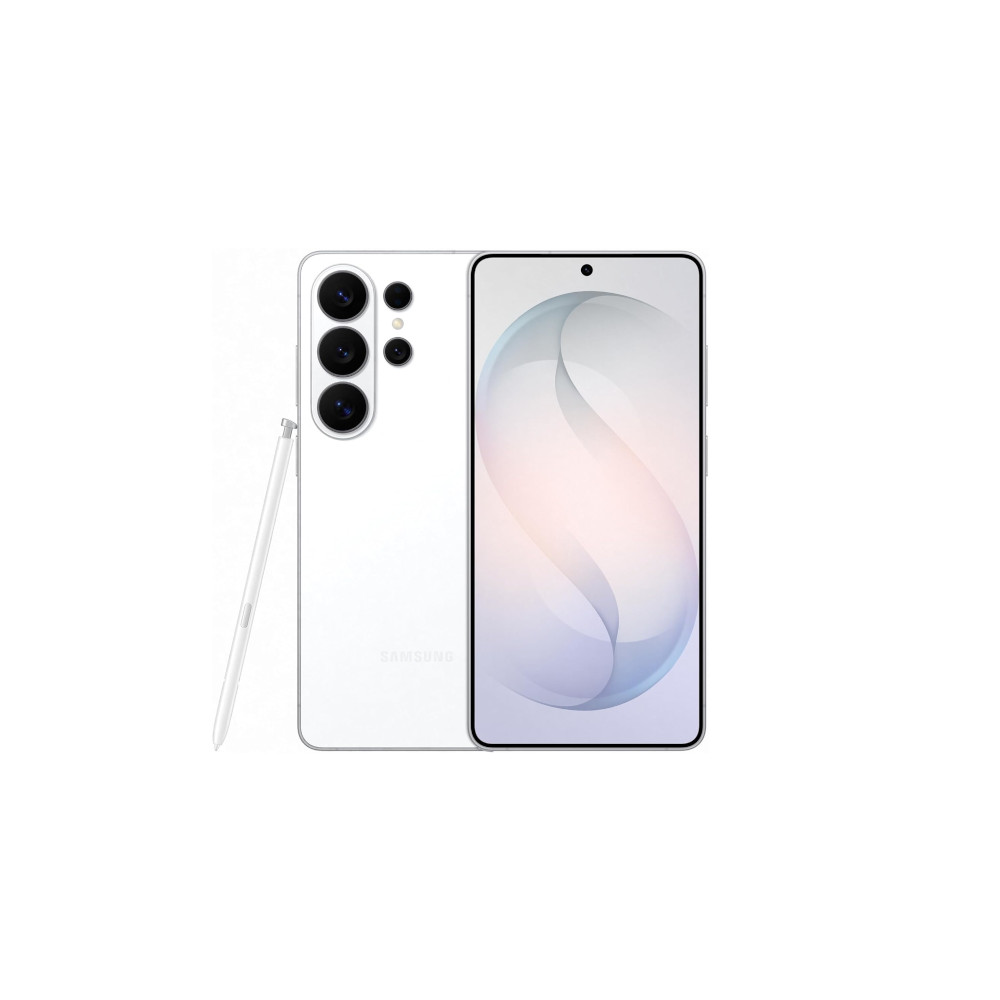
~66% of voters in the S23-to-S26 poll (more than 5,000 votes) said the upgrade isn't worth it; in the S23 Ultra-specific poll ~45% said they'd keep the S23 Ultra, ~25% said it depends on trade-in value, and ~30% would definitely upgrade. The results indicate clear consumer hesitancy toward the Galaxy S26 generation, implying a modest headwind to upgrade-driven sales unless Samsung leans on trade-in incentives, pricing, or clearly differentiated AI/battery features.
Consumer upgrade fatigue out of the latest flagship cycle looks structural rather than a one-off headline reaction — survey-driven reluctance suggests a meaningful portion of a recent flagship cohort will extend replacement intervals by ~12–18 months. That implies near-term volume pressure concentrated at the premium end where replacement elasticities are highest; premium component demand (high-margin SoCs, flagship camera modules, top-tier displays) will likely be the first and largest lever pulled by OEMs and carriers adjusting incentive programs.
Second-order supply-chain effects: component manufacturers with high revenue concentration in flagship builds (premium SoC suppliers, high-refresh/10-bit display fabs, flagship camera sensor partners) face both order smoothing and inventory risk over the next 2–6 quarters, while mid-tier SoC/ODM suppliers and the refurbished/repair ecosystem pick up share. Carriers and retailers will internalize this by leaning on trade-in credit mechanics and service bundles to preserve churn and ARPU, compressing OEM hardware margins and accelerating strategic emphasis on software/services monetization across 12–24 months.
Catalysts that would reverse the slowdown are clear and measurable: aggressive trade-in programs or carrier subsidies (weeks–months), a new app/AR use-case exploiting on-device hardware (6–12 months), or competitor product moves (Apple cycle surprises) that re-ignite premium replacement. Tail risks include shoulder-season inventory destocking that forces mid-cycle promo depth, precipitating a >20% YoY revenue swing in high-end component lines inside one quarter; monitor channel inventory and carrier subsidy intensity as primary short-term indicators.
AI-powered research, real-time alerts, and portfolio analytics for institutional investors.
Overall Sentiment
mildly negative
Sentiment Score
-0.25
