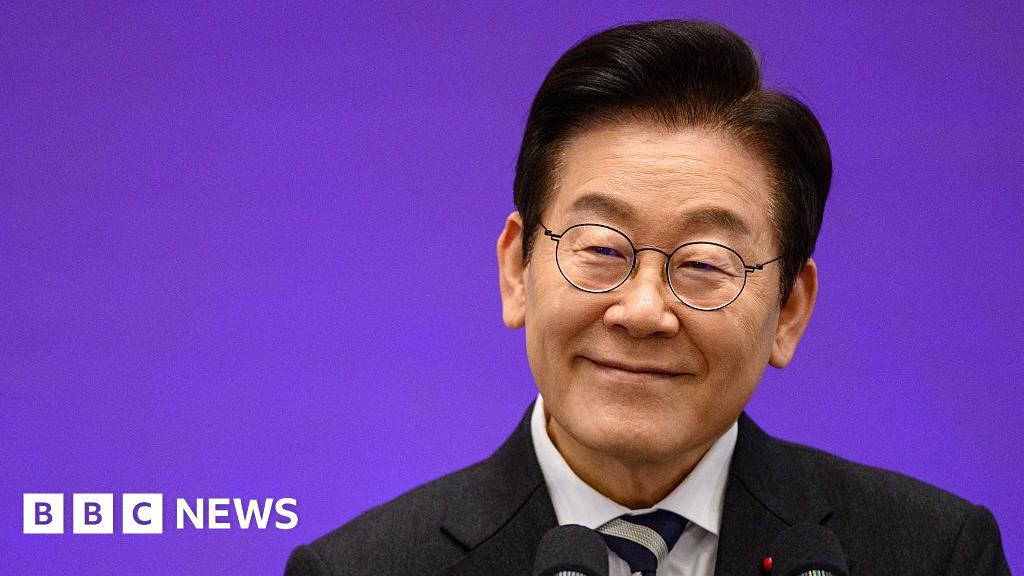
South Korean President Lee Jae Myung has proposed bringing hereditary hair-loss treatments under the national health insurance scheme, a policy he previously campaigned on and which he framed as increasingly necessary amid social stigma for young people. The suggestion comes as the scheme faces a record deficit of 11.4 trillion won and demographic pressures; authorities note current coverage is limited to medically caused hair loss and that subsidising hereditary cases would further strain finances. Officials signalled coverage limits could be imposed, while medical associations and critics argue priorities should remain on more serious diseases and broader social issues; commentators see a political motive aimed at young voters ahead of local elections in 2026.
Market structure: A policy to subsidise hereditary hair-loss would directly benefit Korean dermatology clinics, hair-transplant centers, and cosmeceutical/OTC producers (minoxidil/finasteride suppliers), shifting ~240k annual patient flows toward insured channels; pricing power for incumbents is limited because NHIS will likely impose coverage caps and reimbursement rates, compressing gross margins but expanding volume by an estimated 10–30% if partial coverage is approved.
Risk assessment: Tail risks include a populist cascade—coverage expanding beyond hair loss (e.g., obesity drugs) that meaningfully increases NHIS deficits and pushes 5–50bp higher on KTB yields; immediate noise in days, policy drafts over 1–3 months, and fiscal/structural impacts materialise over 6–24 months. Hidden dependencies: acceptance by Korean Medical Association, means-testing or age/ income limits, and offsetting budget cuts; catalysts are NHIS committee rulings (30–90 days) and local elections (mid-2026).
Trade implications: Tactical playbook is to buy Korea-listed dermatology/cosmeceutical exposure (small-cap healthcare basket or ETF) with limited option overlays, hedge macro fiscal risk by shorting 10Y KTB futures and by taking a small USD/KRW long via NDF; expect asymmetric payoff: 20–40% equity upside vs. bond/FX moves if policy gains traction.
Contrarian angles: Consensus treats this as symbolic; underappreciated is cumulative fiscal strain if multiple populist coverages pass—this could force faster rate repricing and KRW weakness, creating a levered macro hedge opportunity; historically (Japan healthcare expansions) market reaction lagged policy news by 6–9 months, so frontline trades should be phased and volatility-managed.
AI-powered research, real-time alerts, and portfolio analytics for institutional investors.
Request DemoOverall Sentiment
neutral
Sentiment Score
-0.15
