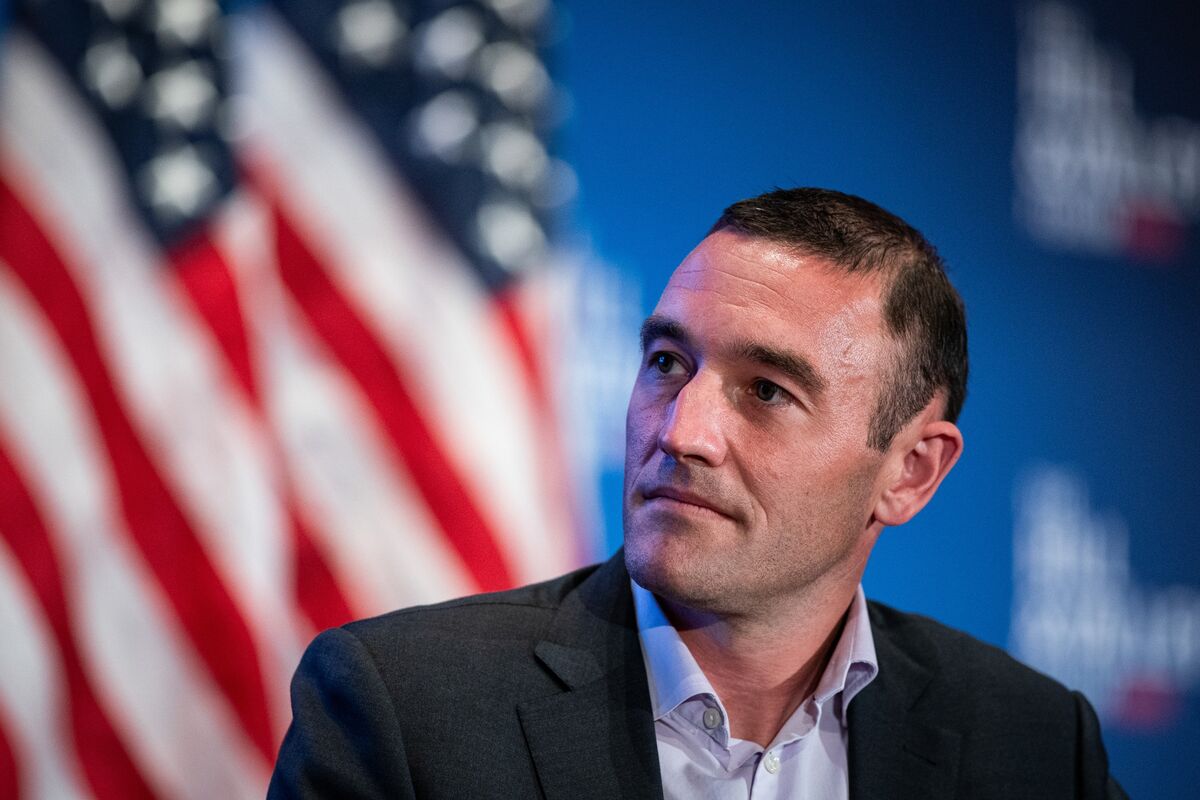
OpenAI is losing two senior leaders, including former chief product officer Kevin Weil, who is stepping down after nearly two years with the company. The departures add to a recent string of exits as OpenAI reorganizes its product portfolio, creating a modestly negative governance signal but no immediate financial metric impact.
This looks less like a single personnel event and more like a signal that OpenAI is shifting from a founder-led, product-driven operating model toward a more modular, governance-heavy structure. In the near term, that usually slows execution before it improves it: when a platform company is reorganizing while senior operators leave, roadmap coherence and release cadence tend to suffer for 1-2 quarters, even if the underlying model quality remains intact. The biggest second-order risk is not talent loss per se, but that enterprise customers and strategic partners begin to discount OpenAI’s ability to keep shipping reliably across multiple product lines.
The competitive beneficiary is the ecosystem around OpenAI, not necessarily a single direct rival. Cloud and model-agnostic application layers can gain share if customers start hedging vendor concentration, and smaller frontier labs may see a short window to recruit displaced talent and frame themselves as more stable operators. The broader private-market implication is a potential compression in late-stage AI software multiples if investors start to price execution risk more heavily than model advantage; that tends to show up first in companies with heavy dependence on OpenAI APIs or launch timing assumptions.
The contrarian read is that the market may be overestimating the significance of named departures and underestimating institutional depth. In frontier AI, product leadership is important, but distribution, compute access, and model research matter more over a 12-24 month horizon. If the reorg reduces internal duplication and forces sharper capital allocation, the medium-term outcome could actually be better execution with fewer speculative side projects, meaning the current negative signal may fade once the org chart stabilizes.
Catalyst-wise, the next 30-90 days matter most: watch for signs of delayed launches, partner churn, or more departures. If those do not materialize, the story likely reverts to a governance footnote; if they do, the trade becomes about AI application multiples de-rating rather than OpenAI itself. Tail risk is that this becomes the first visible crack in a broader talent-retention problem, which would be a negative for the entire private AI funding complex over the next 6-12 months.
AI-powered research, real-time alerts, and portfolio analytics for institutional investors.
Request TrialOverall Sentiment
mildly negative
Sentiment Score
-0.20
