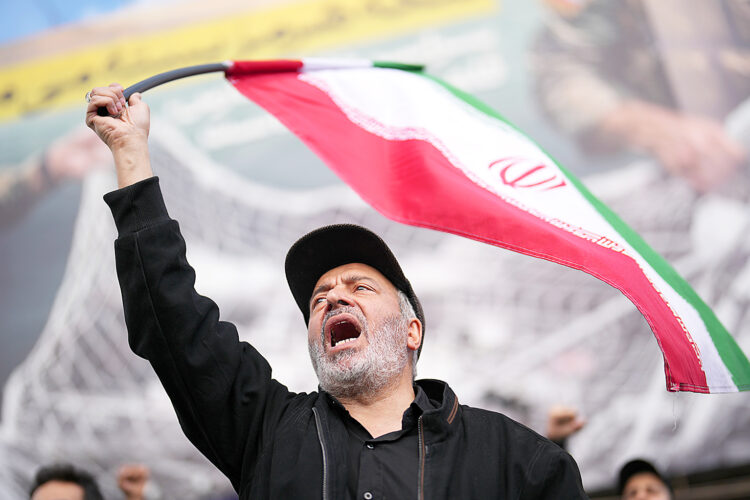
Iran closed the Strait of Hormuz, with only 11 vessels transiting Wednesday, and signaled plans to charge tolls up to $1 per barrel (supertankers can carry up to ~3 million barrels), creating potential disruption to a key oil transit route. At least 182 people were killed in Lebanon in the deadliest day of the conflict, escalating hostilities and putting a fragile U.S.-Iran ceasefire at risk; the White House demanded immediate reopening and is pursuing peace talks in Pakistan. Elevated geopolitical risk implies material upside pressure on oil prices and a broader risk-off move across markets if the strait remains contested or tolling/inspections persist.
Markets are already repricing a persistent premium on barrels and sea freight that transit the Persian Gulf; expect tankers and freight-forwarding spreads to widen within days and for war‑risk insurance to remain elevated for weeks. That combination creates a near-term arbitrage: physical owners of storage and VLCC capacity capture outsized cash margins while refiners face volatile crude input costs which will compress product crack spreads unevenly across regions.
Over a 1–6 month horizon the real second‑order change is institutional: acceptance of revenue capture at choke points (e.g., user fees/tolls) would structurally raise marginal shipping costs and insurance bills, favouring vertically integrated producers and storage operators over pure shipping brokers. At the same time, short‑cycle US supply can blunt price spikes within months, so pure oil-price directional trades carry a mean reversion tail risk once inventories adjust or policy responses (SPR releases/OPEC moves) arrive.
Defense and reinsurance chains are asymmetric beneficiaries of sustained geopolitical friction — orderflow and pricing power for prime contractors and reinsurers can re-rate within quarters, but that comes with elevated headline volatility and political execution risk on procurement. Conversely, rate‑sensitive consumer sectors (airlines, container logistics) face margin compression quickly; earnings revisions could occur within a single reporting cycle if disruptions persist.
Key catalysts to track that will reverse or amplify current premia: (1) successful diplomatic de‑escalation talks (fast unwind within days), (2) coordinated SPR/OPEC supply response (weeks), and (3) normalization of maritime insurance markets (months). Tail risk is a protracted, institutionalized revenue model for chokepoint control — that’s the asymmetric outcome markets are underpricing today and would create higher structural inflation in trade costs for years.
AI-powered research, real-time alerts, and portfolio analytics for institutional investors.
Request DemoOverall Sentiment
strongly negative
Sentiment Score
-0.85
