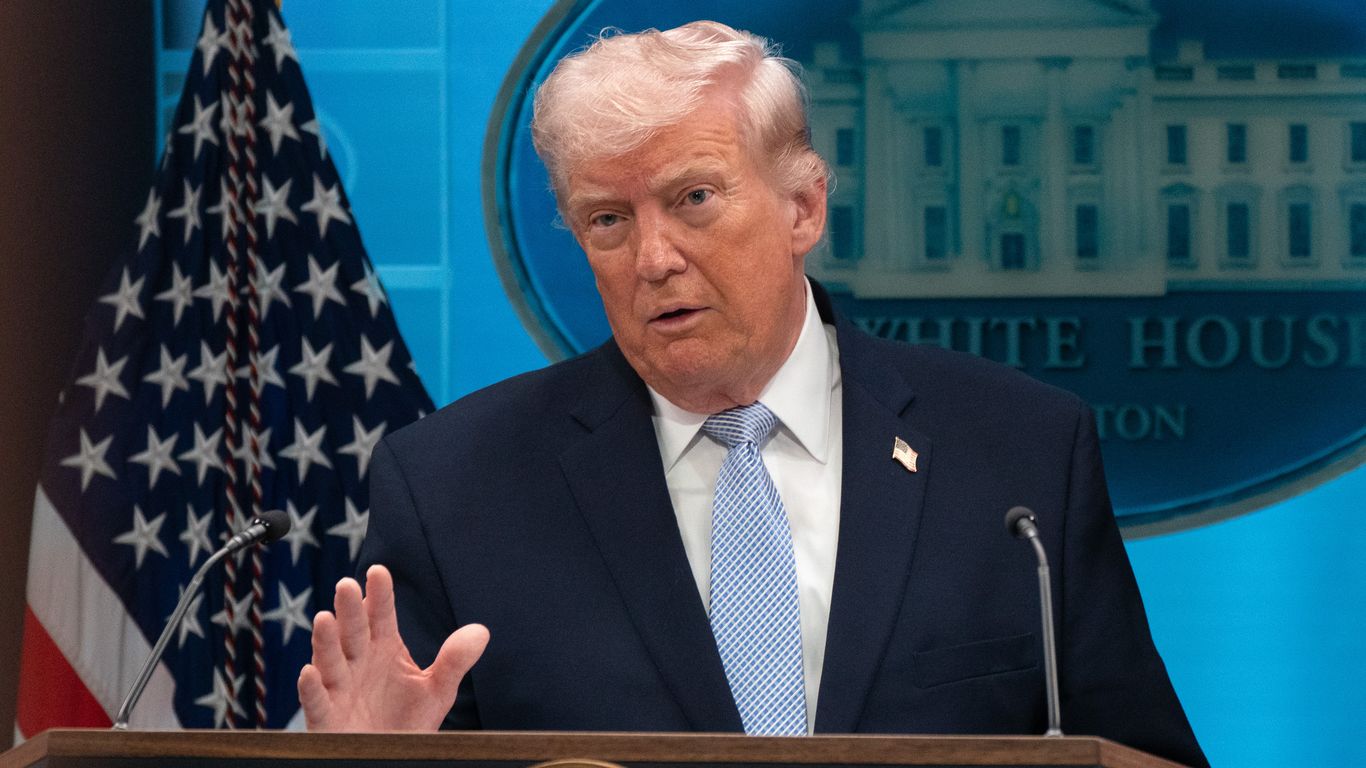
Lawmakers are weighing use of the 25th Amendment to remove President Trump after his threat to 'wipe out the entire Iranian civilization'; the mechanism requires the vice president plus a majority of the Cabinet and has steep legal and political hurdles. Congress cannot initiate removal, VP Brandon Vance is unlikely to invoke it, and any contested action would be decided by Congress, so immediate market impact is limited though political risk could rise if tensions escalate.
A credible but low-probability push to use the 25th Amendment is already a market-relevant political shock because it raises the stakes of intra-administration conflict and normalizes extraordinary removal mechanisms. That normalization can lift a persistent political-risk premium across defense, energy, and safe-haven assets without the amendment ever being invoked; a 10–25% re‑price in defense stocks and a 3–8% bid in gold/Treasuries within days of headline surges is plausible based on prior geopolitical shocks.
The primary near-term catalysts are signals from the vice president and two or three Cabinet figures, any public split within 72 hours, and/or an unrelated escalation with Iran; absent those, headlines will produce headline-driven volatility that fades over 2–6 weeks. Tail outcomes (successful displacement or violent escalation) push impacts into months and materially change fiscal/election dynamics—if the episode becomes a sustained Cabinet standoff, expect multi-month flows into long-duration bonds and defensive sectors.
Consensus treats this as political theater; the contrarian angle is that theater itself is investable: markets price probabilities, not certainties, and persistent talk of extraordinary removal raises structural risk premia ahead of the 2024/2028 campaign season. Tactical positions that capture a short-lived safety bid and a defense re-rate while capping premium paid will outperform one-way directional bets on equities.
AI-powered research, real-time alerts, and portfolio analytics for institutional investors.
Overall Sentiment
neutral
Sentiment Score
0.00
