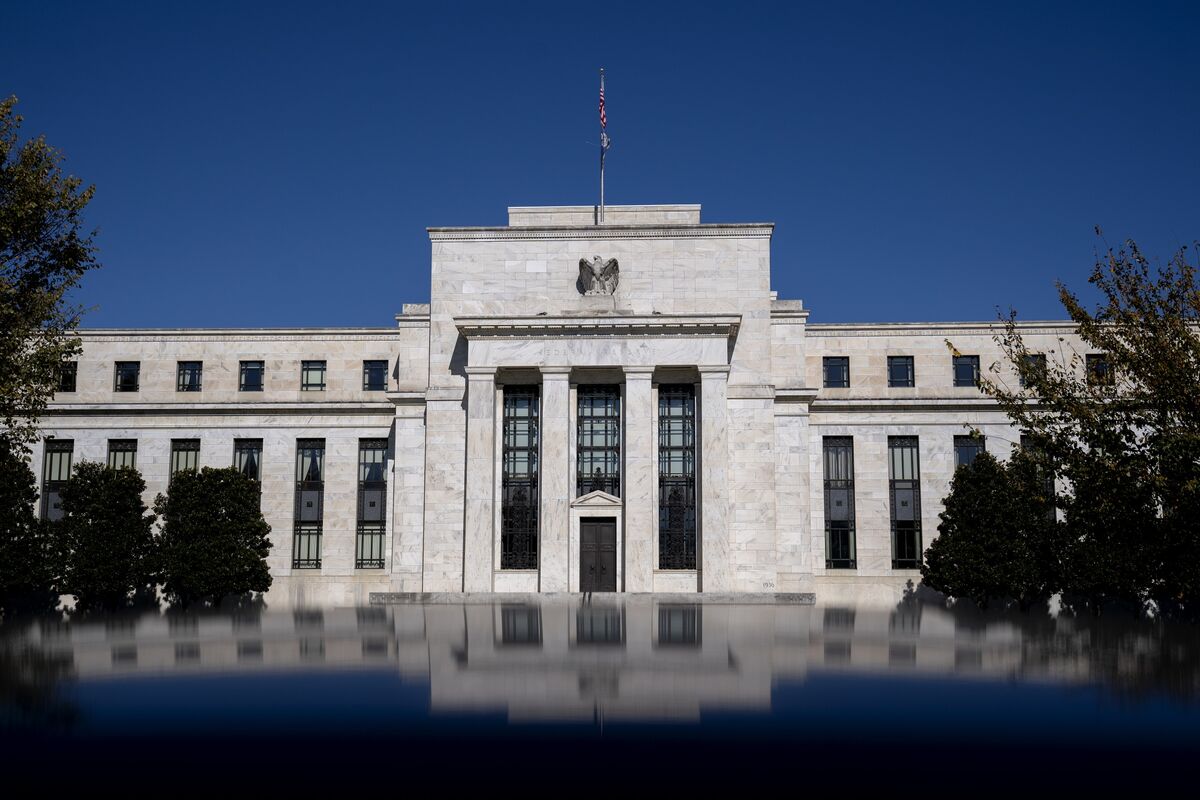
PGIM now expects the Federal Reserve to raise rates three times this year, reversing its prior call for rate cuts, citing a remarkably resilient U.S. economy and sticky inflation. The outlook implies tighter policy conditions before eventual rate cuts in 2027. The shift is hawkish and could influence rate expectations across bonds, equities, and FX.
This is less about one strategist changing their call and more about the market regime PGIM is implicitly endorsing: growth is still too firm for an easy-cut narrative, but inflation is not softening fast enough to let the Fed stay patient indefinitely. That combination is usually bad for duration because it raises the odds of a shallow-but-prolonged hiking path that keeps real yields elevated without triggering an immediate recession. The first-order loser is long-end Treasuries, but the bigger second-order effect is on leveraged financials and rate-sensitive cyclicals that need a cleaner cuts backdrop to re-rate.
For PRU, the headline is mildly negative because higher-for-longer policy can support reinvestment yields, but it also threatens valuation marks, capital markets activity, and credit formation into 2026. If the market begins to price a three-hike path, the curve likely flattens or re-inverts at the front end, which is typically a better environment for insurers with balance-sheet flexibility than for asset gatherers reliant on fee growth. The more interesting spillover is within asset management: firms with heavy exposure to bond funds and mortgage-sensitive products may see AUM pressure if rates stay sticky and equity multiples compress.
The contrarian risk is that this hawkish view is already near consensus in rates vol terms, so the trade may be better expressed through timing than outright direction. If incoming payrolls or core services data soften over the next 4-8 weeks, the market could quickly reprice back toward one hike or none, forcing a violent short-covering rally in long duration. In other words, the market is vulnerable to a data miss, but until then the path of least resistance is a slow grind higher in front-end yields rather than a clean bear steepener.
The best setup is to own short-duration cash-flow names and fund them by shorting rate sensitivity that depends on easing. That favors a relative-value approach over a macro outright because the catalyst horizon is months, not days, and the Fed narrative can whipsaw on one or two prints. The asymmetric risk is that the economy remains resilient enough for the Fed to hike, but not strong enough to prevent spread widening later; that creates a window where both bonds and lower-quality credit underperform.
AI-powered research, real-time alerts, and portfolio analytics for institutional investors.
Request DemoOverall Sentiment
mildly negative
Sentiment Score
-0.15
Ticker Sentiment
