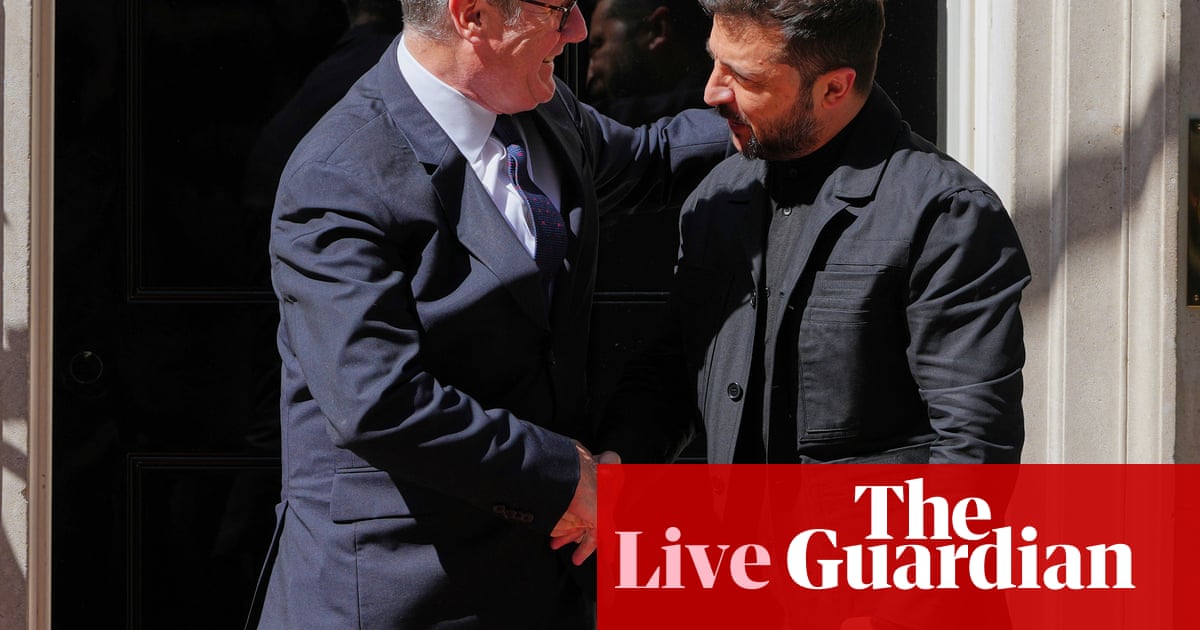
German Chancellor Friedrich Merz criticized the EU's complex approach to US trade talks, advocating for a focused negotiation on key industries like automotive and pharmaceuticals, citing Germany's significant trade surplus and vulnerability to potential US tariffs, which could impact up to 75,000 Irish pharma jobs. Concurrently, Ukrainian President Zelenskyy called for expanded sanctions on Russian weapons manufacturers, specifically targeting entities involved in the 'Oreshnik' system currently unsanctioned, emphasizing the need to curb Russian arms production.
Heightened geopolitical and trade risks are creating a negative outlook for specific European sectors. German Chancellor Friedrich Merz's criticism of the EU's "far too complicated" approach to trade negotiations with the United States signals significant internal friction within the bloc ahead of a potential escalation in transatlantic tariffs. The threat of tariffs up to 50% on EU exports, with a stated deadline of July 9th, poses a direct risk to industries central to the German economy, such as automotive, chemicals, and machinery, which account for a large portion of the €253bn in bilateral trade. The pharmaceutical sector faces a particularly acute threat, with Ireland projecting that up to 75,000 jobs could be affected by targeted US tariffs. Concurrently, the conflict in Ukraine is driving calls for expanded sanctions, with President Zelenskyy specifically targeting entities involved in Russia's "Oreshnik" weapons system. This indicates a focus on tightening restrictions on Russia's defense industrial base, which could create new compliance and supply chain risks for global firms. The broader context of NATO defense spending debates and tense EU-China relations further contributes to a cautious market environment defined by fragmentation and policy uncertainty.
AI-powered research, real-time alerts, and portfolio analytics for institutional investors.
Overall Sentiment
moderately negative
Sentiment Score
-0.40
