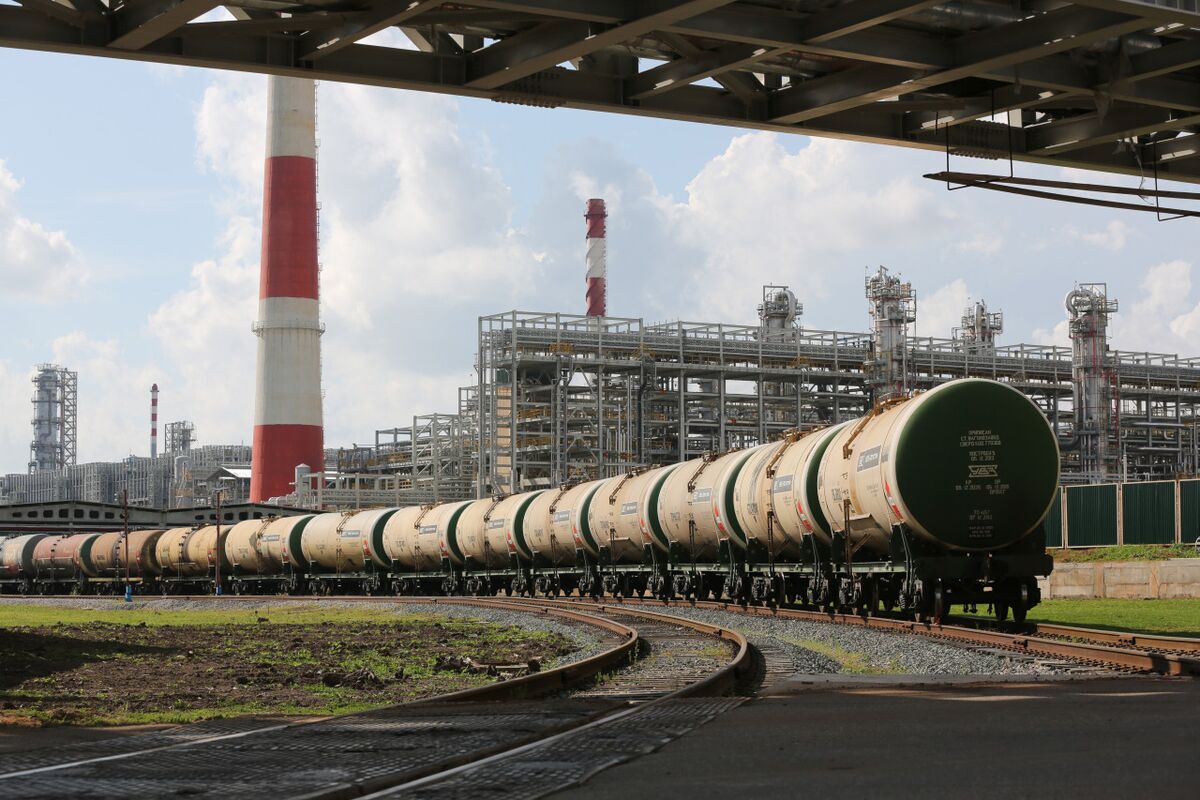
Russia's petroleum product exports surged to 2.31 million barrels a day in early August, marking the highest level since the war began, primarily due to a significant increase in fuel oil shipments. This 9% rise from July's daily average occurred despite intensified Ukrainian drone strikes on Russian refineries, underscoring the resilience of Russia's refined product export capacity amid ongoing conflict.
Russian petroleum product exports demonstrated significant resilience in early August, reaching a wartime high of 2.31 million barrels per day, a 9% increase over the daily average in July. This surge, primarily driven by heightened fuel oil shipments, occurred despite an intensification of Ukrainian drone attacks targeting the country's refinery infrastructure. The data, sourced from Vortexa Ltd., indicates that these military actions have not, in the short term, materially disrupted Russia's ability to export refined products. This continued and increasing flow into the global market suggests that Russia's export logistics remain robust, a critical factor for global energy supply dynamics and a counter-narrative to expectations of severe supply curtailment resulting from the conflict.
AI-powered research, real-time alerts, and portfolio analytics for institutional investors.
Request DemoOverall Sentiment
moderately positive
Sentiment Score
0.40
