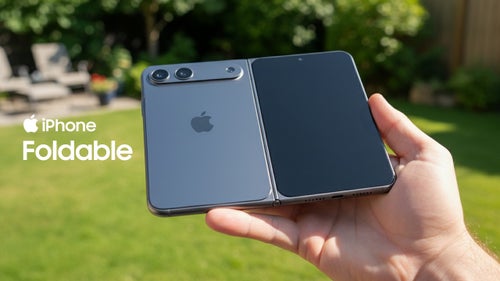
Samsung is reportedly shrinking the front selfie camera on the Galaxy Z Fold 8 and the new Galaxy Z Wide Fold, making the foldables look sleeker and more closely aligned in design. The update appears to be a hardware-level refinement rather than a major feature change, with the main differences between the devices likely limited to how they unfold and display aspect ratios. The news is incremental and product-focused, with limited near-term market impact.
This reads less like a handset feature story and more like a signal that Samsung is converging its premium foldable stack ahead of a broader form-factor push. The key second-order effect is margin discipline: if two upcoming models share most of the bill of materials and the imaging redesign is already solved once, Samsung can amortize engineering spend across a wider addressable market with minimal incremental R&D. That tends to improve gross margin resilience in a category where differentiation is usually expensive and short-lived.
For Apple, the market should be careful not to overread this as direct near-term share loss; the bigger implication is that Samsung is defending the premium foldable lane before Apple arrives, not after. If Apple’s foldable timing slips, Samsung gets an extended window to entrench ecosystem preference and retailer/channel mindshare, which matters because foldables are still a trial category with high replacement uncertainty. If Apple does launch on schedule, Samsung’s preemptive design refinement reduces the odds that Apple can win purely on hardware aesthetics.
The contrarian view is that a smaller front camera cutout is more cosmetic than demand-creating. Foldable adoption remains constrained by durability, software utility, and price elasticity, so this upgrade likely shifts mix more than unit volume over the next 2-4 quarters. The market may be overestimating how much an incremental industrial-design improvement can move consumer intent versus a meaningful battery, weight, or crease reduction.
From an Apple lens, the medium-term risk is not a hit to iPhone flagship volumes, but a slight erosion of premium halo exclusivity if foldables become visually cleaner and increasingly standardized. That creates a subtle valuation overhang for AAPL only if investors begin to price a slower upgrade cycle in the top end of the market, which would take multiple product cycles to prove out.
AI-powered research, real-time alerts, and portfolio analytics for institutional investors.
Request DemoOverall Sentiment
mildly positive
Sentiment Score
0.15
Ticker Sentiment
