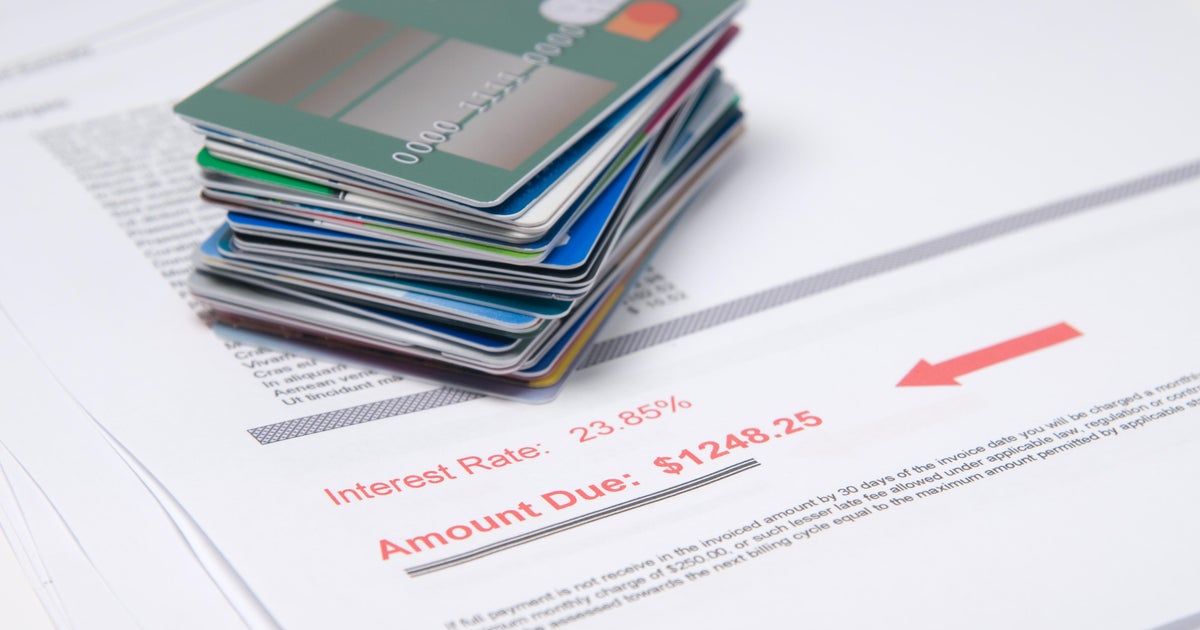
President Trump's Jan. 20 deadline for credit card issuers to cap APRs at 10% for one year — announced on Jan. 9 with no implementing law or enforcement details — has not prompted widespread compliance from banks, which warn the cap would erode margins and likely force credit line reductions for vulnerable borrowers. The average credit-card APR was 19.7% at year-end, and analysts estimate a 10% cap could save consumers roughly $100 billion annually but would risk cutting credit access for millions (industry analyses cite two-thirds of carry-balance users and nearly all 47 million subprime borrowers). Banks and regulators say legislative action would likely be required to enact such a limit, even as fintech Bilt announced a product with a one-year 10% cap.
Market structure: A 10% APR cap (from the current 19.7% average) implies an immediate ~9.7 percentage-point shock to card interest revenue on revolving balances — roughly a ~50% haircut to interest yield on outstanding balances if enacted. Winners: consumers and fee- and volume-driven players (Visa MA, payment processors) and any issuer able to pivot to fee income or offer loss-leading 0% products (fintech challengers like Bilt). Losers: card-centric banks (Capital One COF, Synchrony SYF), subprime lenders, ABS investors and regional banks with concentrated card portfolios. Risk assessment: Tail scenarios include (A) a legally binding Congressional cap within 60–120 days (high-impact) and (B) an executive order deemed unenforceable (low-impact). If passed, expect 20–40% reduction in card NII for exposed issuers within 1 year, coupled with mass line reductions for subprime borrowers and wider credit card ABS spreads. Hidden dependencies: securitization structures, reserve builds, minimum-payment changes and interchange/fee increases that can offset ~20–40% of lost APR revenue. Trade implications: Near-term (days–weeks) political noise favors defensive positions; short 3-month puts on SYF and COF (10% OTM) and 2–3% net-short KRE (regional bank ETF) capture downside if legislation gains traction. Buy 6–12 month calls or 2–3% long positions in V and MA to play durable network volume/fee upside and buy 3–6 month protection on consumer ABS (via CDS/index protection on financials) as a hedge. If probability of passage exceeds 30% in 60 days, rotate 2% into consumer discretionary (XLY) to front-run potential $50–100B/year boost to disposable cash. Contrarian: The consensus underestimates banks’ ability to reprice via fees, tighten underwriting and shift to buy-now-pay-later/HELOC pipelines — big diversified banks (JPM) can offset card NII loss via trading and deposit franchises. Market overstates systemic bank vulnerability; bank equity re-rating is likely more severe for specialized card issuers than for universal banks. Historically, regulation-triggered margin compression drove fee innovation rather than permanent market share loss, so focus shorts on pure-play card lenders and prefer longs in fee/volume franchises.
AI-powered research, real-time alerts, and portfolio analytics for institutional investors.
Request DemoOverall Sentiment
mildly negative
Sentiment Score
-0.25
Ticker Sentiment
