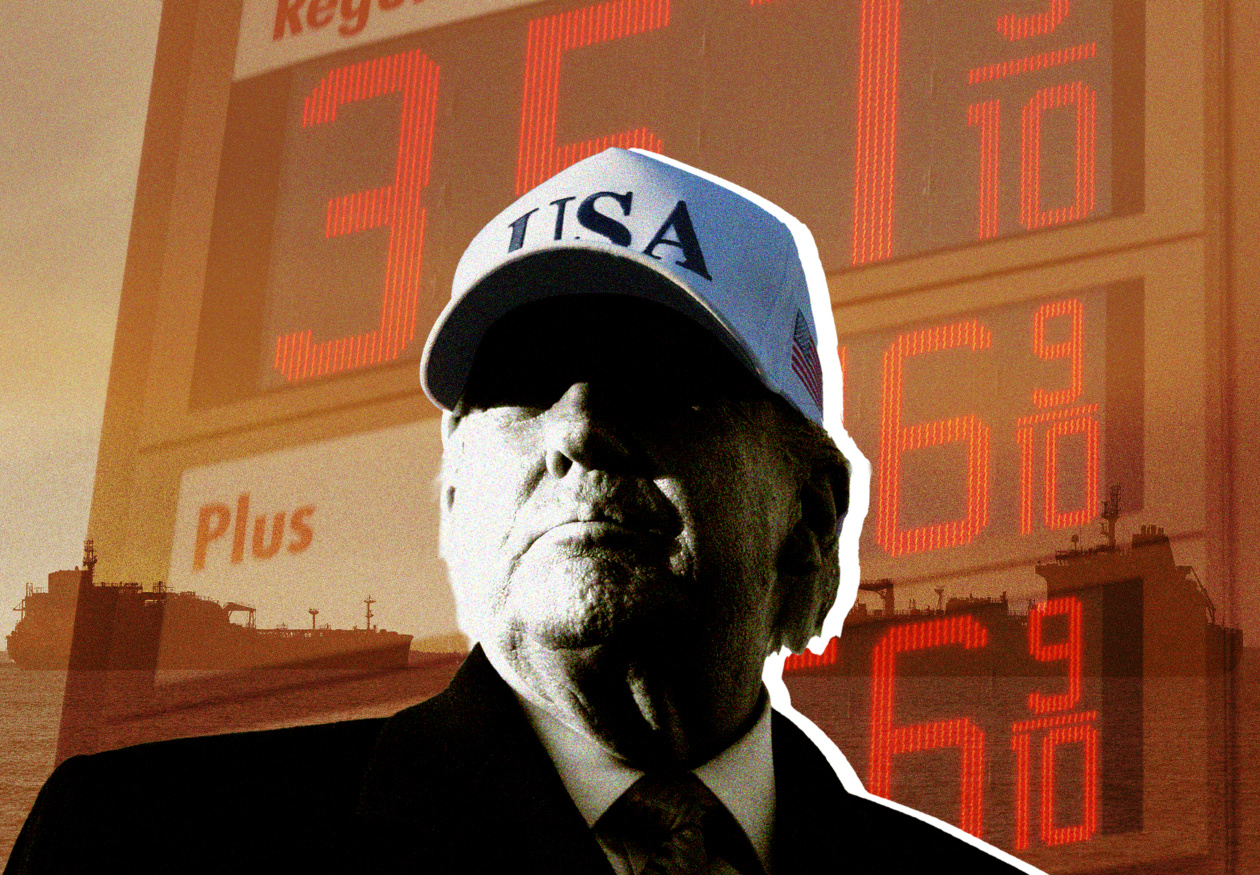
Risk of $200/barrel oil is raised if peace talks do not emerge or the Strait of Hormuz remains closed, says a veteran oil analyst as the Iran war enters its 21st day. The U.S. is considering measures to contain prices — including Navy escorts for tankers and releases from emergency global oil reserves — but a diplomatic off-ramp or reopening of key shipping lanes is needed to avoid a market-wide shock.
Winners and losers will not be limited to producers and airlines; expect a material reallocation along the logistics chain. Rerouting tankers around the Cape of Good Hope adds roughly 6–10 extra sailing days per voyage, translating into a 15–30% effective loss in daily delivered barrels even before insurance and time-charter spikes — that’s why VLCC and Suezmax owners can see charter rates move 2–4x while onshore refiners in Europe/Asia experience variable feedstock availability. Insurance and naval-escort signaling are second-order price drivers: a credible US escort reduces the geopolitical risk premium quickly (within 30–60 days) while a private insurance rotation or sanctions carve-outs lower realized premium more slowly via grey-market flows.
Tail risks are asymmetric by timeframe. Spot spikes to $150–200/bbl are plausible within days if Hormuz is intermittently closed or major export terminals are struck, but those spikes become self-limiting over 3–9 months as (a) SPR releases cumulate, (b) US shale responds incrementally, and (c) alternative routings and clandestine exports ramp. Reversal catalysts are political/diplomatic (a negotiated corridor or local ceasefire) or policy-driven (coordinated SPR of 150–300MM barrels) — each can shave $10–30/bbl in weeks. Volatility will be the dominant P&L driver; options skew will remain wide and directional delta-hedged positions will experience large gamma costs.
Market-structure note: expect a shift to backwardation in front months and steep contango further out as the market prices a short-term supply squeeze but discounts medium-term normalization. That structure favors physical storage/tanker-arb and short-dated call buyers rather than long-dated unconditional long equity positions. The consensus narrative currently overweights a permanent chokepoint outcome; a probability-weighted approach (30% prolonged blockade, 50% episodic disruptions, 20% reopening within 60–90 days) suggests crafting asymmetric, time-boxed exposures rather than outright multiyear longs.
AI-powered research, real-time alerts, and portfolio analytics for institutional investors.
Request DemoOverall Sentiment
strongly negative
Sentiment Score
-0.60
