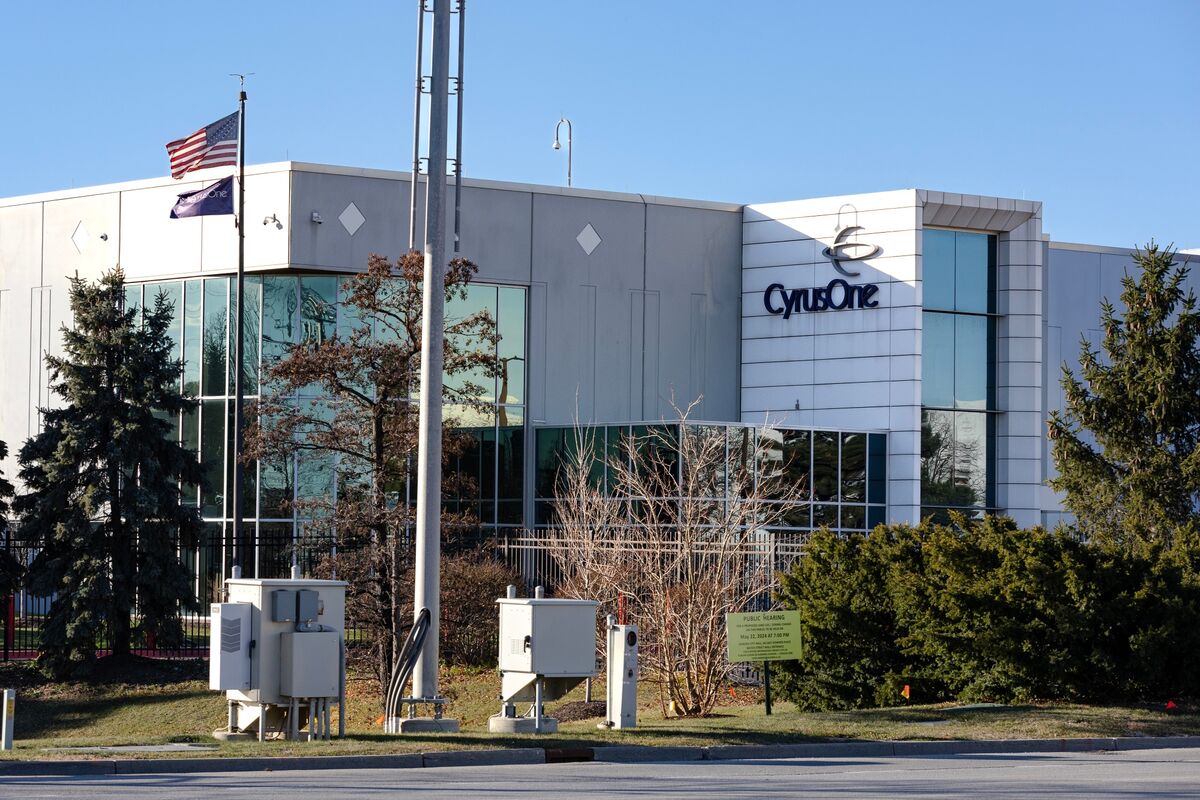
CyrusOne said it has restored stable operations at its Chicago 1 (CHI1) data center in Aurora, Illinois — the facility that supports CME trading — after a catastrophic cooling outage that disrupted markets. The company installed backup cooling capacity and added additional redundancy to cooling systems to enhance continuity and reduce the risk of future outages that could impede futures and derivatives trading.
Market structure: The outage highlights single‑point vulnerabilities in exchange colocation and benefits vendors that sell distributed resilience (CyrusOne/CONE, Equinix/EQIX, Digital Realty/DLR) and power/cooling OEMs. Expect modest pricing power for colo providers as buy‑side and prop shops demand higher SLAs — pricing uplift of 3–7% for premium redundant racks over 6–12 months is plausible. Exchanges with more distributed matching engines (ICE, NDAQ) are positioned to capture incremental order flow if customers diversify.
Risk assessment: Tail risks include regulatory enforcement or litigation from large counterparties (10–20% chance of a formal probe; >$50–100m remediation exposure for a major outage), and reputational revenue hit for CME over the next 1–6 months. Hidden dependencies: clearing/market data contracts and disaster‑recovery SLAs can force material credits; counterparty concentration among algo shops increases systemic fragility. Catalysts: filings of customer claims, regulator statements, or public disclosure of remediation costs will accelerate repricing.
Trade implications: In the near term (days–weeks) expect pockets of elevated intraday volatility in futures/FX and higher bid‑ask spreads; options vols for CME and major algos will spike 10–30% intraday. Over 3–12 months, data center REITs with clear upgrade plans can reprice higher; exchanges may see transient flow shifts but retain long‑run cashflow resilience. Use option hedges for event risk and favor equities of diversified colo providers.
Contrarian angles: Consensus underestimates demand elasticity for premium redundancy — many clients will accept 5–10% higher fees to avoid tail outages, which favors suppliers able to deliver fast (CONE, EQIX). Reaction is likely underdone for colo equities and overdone for short‑term reputational damage to CME; historical parallels (flash outages 2010s) show customers reallocate capex to resilience, not abandon venues. Unintended consequence: accelerated capex increases supply in 12–24 months, so front‑load exposure but plan to trim as new capacity comes online.
AI-powered research, real-time alerts, and portfolio analytics for institutional investors.
Request DemoOverall Sentiment
mildly positive
Sentiment Score
0.25
Ticker Sentiment
