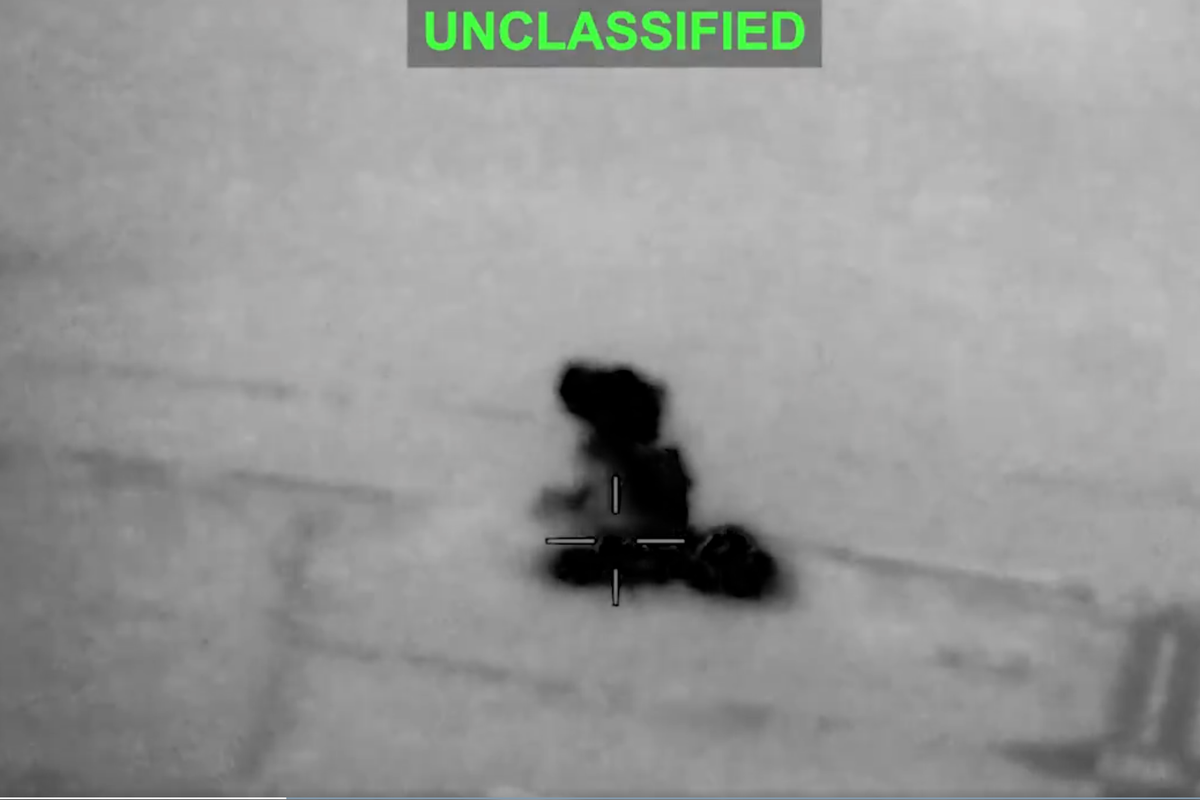
The article centers on escalating Iran-US hostilities, including reciprocal strikes in the Gulf, Iran's missile and drone attacks on US sites in Kuwait and Bahrain, and renewed threats over the Strait of Hormuz. Trump warned Iran would "no longer exist" if the ceasefire is broken, while the risk to maritime traffic and regional energy flows remains elevated. Qatar condemned the Bahrain and Kuwait strikes as a breach of international law, underscoring the broader regional spillover risk.
The market is still underpricing the distinction between a headline ceasefire and a durable de-risking of Gulf logistics. Even if kinetic escalation pauses, the Strait of Hormuz remains a political choke point with asymmetric optionality: a small increase in perceived interdiction risk can widen tanker rates, insurance premia, and delivered energy costs far faster than spot crude responds. That means the first beneficiaries are not necessarily upstream producers, but anyone with pricing power over shipping, marine insurance, port infrastructure, and emergency logistics.
The second-order effect is a regional capex reprioritization. Gulf sovereigns and industrial names will likely accelerate redundancy spending on storage, alternate routing, defense systems, and domestic security, which is supportive for contractors and systems integrators even if energy prices mean-revert. Conversely, airlines, petrochemical margins, and high-import EM consumers face a lagged squeeze: fuel is the first hit, but the bigger damage is basis volatility and higher working capital needs across inventory-heavy supply chains.
The key risk is that the market extrapolates a short-lived flare-up into a full shipping embargo, which would likely be reversed by diplomatic pressure within days to weeks. The more durable trade is not a pure directional oil view; it is a volatility and dislocation trade around freight, defense, and regional equity risk premia. If the situation stabilizes, the unwind could be violent because many risk premiums are being added on fear rather than realized disruption.
Contrarianly, the consensus is too focused on crude beta and not enough on the fact that Hormuz stress can be bearish for oil demand if it persists without a sustained supply shock. Prolonged uncertainty raises hedging costs, delays refinery runs, and can choke discretionary travel and industrial restocking faster than it boosts producer revenues. That favors relative-value expressions over outright commodity longs.
AI-powered research, real-time alerts, and portfolio analytics for institutional investors.
Request DemoOverall Sentiment
strongly negative
Sentiment Score
-0.78
