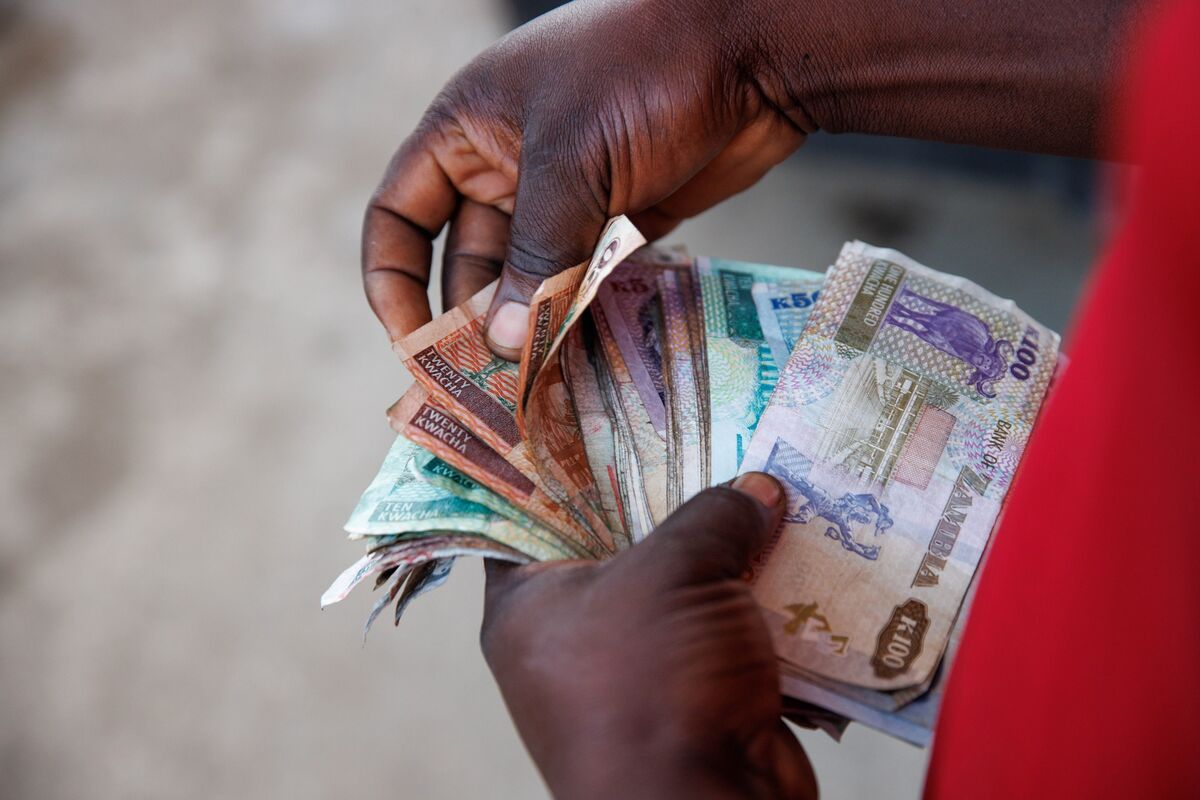
Zambia’s dollar bonds rallied after S&P Global Ratings removed the country's default status, five years after it became the first pandemic-era African sovereign to default. The nation’s 2033 dollar bonds rose 0.3 cents to trade at 95.91 cents as of 2:51 p.m. in London and have returned about 15% since plunging to a record low in April, a move that reduces perceived credit risk and may reopen investor access and improve secondary-market liquidity for Zambian sovereign debt.
Market structure: Removal of default stigma shifts marginal buyer base from distressed debt funds to benchmarked EM sovereign allocators and real-money investors; expect bid-to-cover to improve such that secondary liquidity could double relative to April levels over 3–6 months if price stays >95c. Winners are holders of hard‑currency frontier sovereigns and frontier‑focused EM ETFs (potential inflows); losers are short‑term distressed traders who were long volatility. Cross-asset: tighter Zambian spreads should put modest appreciation pressure on ZMW (watch 3–6% moves) and compress CDS spreads, while commodity exporters in Zambia could see FX/receipts re‑rated into valuations.
Risk assessment: Tail risks include creditor litigation, failed IMF/creditor acceptance of restructuring terms, or a negative fiscal shock (copper price drop >15%) which could reintroduce default risk; such events would likely occur within 0–12 months but could surface suddenly. Hidden dependencies: sustained improvement depends on external financing and budget execution—if reserve rebuild stalls, market euphoria will reverse. Key catalysts to watch in the next 30–120 days: sovereign access to new financing, rating actions from Moody’s/Fitch, and monthly reserve/FX-flow prints.
Trade implications: Primary trade is selective long hard‑currency Zambia paper (e.g., 2033) sized 1–3% portfolio, target 103–107c within 6–12 months, stop 90c; hedge 30–50% of duration/EM beta via short EMB futures. Use a 6–12 month put spread to protect downside if leverage is used (buy 1y 90c puts, sell 1y 80c puts equivalents via CDS or structured protection). Rotate modestly into frontier sovereigns while reducing exposure to commodity‑sensitive corporate high yield by 1–2% over next quarter.
Contrarian angles: The market is underestimating political and liquidity stigma—ratings removal is procedural, not a cure for rollover risk; by H2 2025, absent robust reserve accumulation, spreads could re-widen >300bp. Reaction may be partially overdone—if inflows are front‑loaded, near‑term price gains could be mean‑reverted once benchmark trackers finish purchases. Historical parallels: 2010s frontier restructurings show rallies of ~10–25% followed by 5–15% pullbacks when fundamentals lagged; position sizing should reflect that volatility.
AI-powered research, real-time alerts, and portfolio analytics for institutional investors.
Request DemoOverall Sentiment
moderately positive
Sentiment Score
0.45
