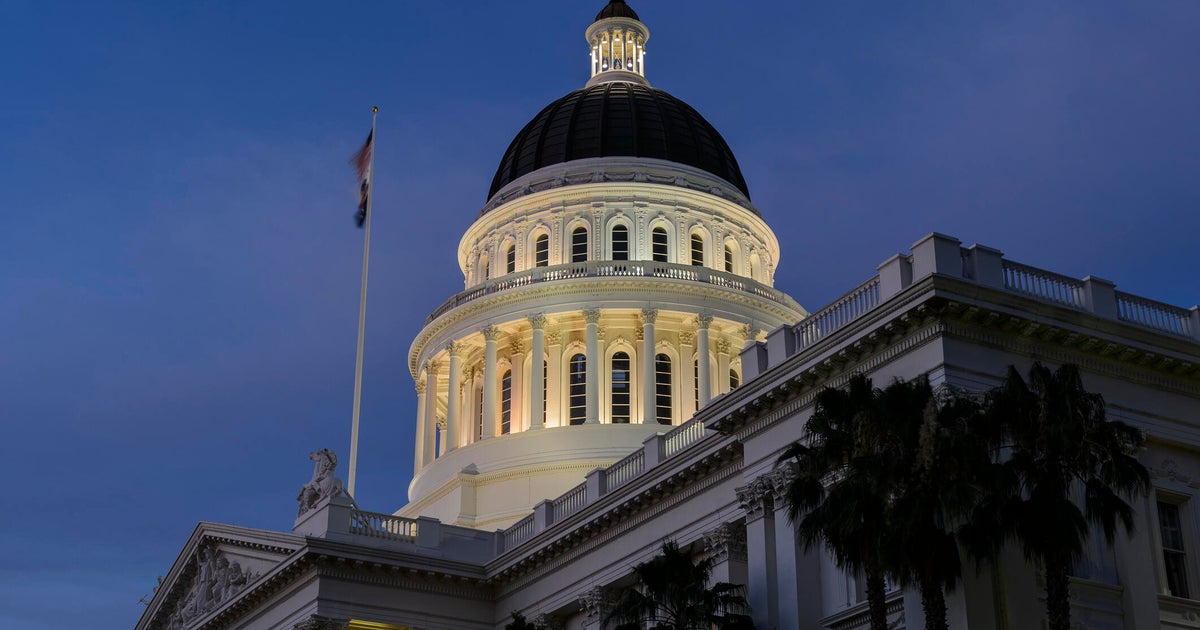
California's proposed one-time 5% billionaire tax has qualified for the November ballot and could raise roughly $100 billion to help offset federal funding cuts and a state budget deficit. The measure targets the state's 214 billionaires, whose combined wealth exceeds $1 trillion, but analysts say enforcement and legal documentation may be difficult. The proposal adds political and fiscal uncertainty for high-net-worth residents, and several billionaires have reportedly already left the state.
This is less a direct earnings event than a regime-risk signal for California-based mega-cap founders and the ecosystem around them. The immediate market read is modest because the tax is one-time, legally uncertain, and far from implementation, but the second-order effect is a sharper premium on domicile optionality: if even a few ultra-wealthy shareholders or executives accelerate relocations, California’s policy credibility risk rises and the state’s innovation brand gets a small but real discount. That matters most for names with extreme California concentration in management, R&D, and donor ecosystems, where future political headline risk can affect valuation multiples even if near-term cash flows are unchanged.
NVDA is the cleanest expression of this risk because the stock already trades as a consensus scarcity asset and any incremental regulatory uncertainty can widen its factor volatility, especially around event windows. If the proposal gains traction, the market may infer higher probability of broader wealth or capital-based taxation in 2026-2028, which would compress the terminal multiple on founder-led platforms more than on mature cash-return names. By contrast, the likely fiscal offset is limited: a one-time levy does not solve recurring budget stress, so the political incentive is to reopen the issue later, keeping a headline overhang alive for months rather than days.
The contrarian view is that this may be more bullish than bearish for the named tech cohort if the tax ultimately proves unenforceable or gets watered down in court. Any legal or implementation failure would remove uncertainty without any actual cash outflow, creating a clean relief rally in the affected names. The bigger medium-term beneficiary could be out-of-state growth jurisdictions and firms competing for talent, as even a symbolic wealth-tax vote reinforces California as a higher-friction operating environment.
AI-powered research, real-time alerts, and portfolio analytics for institutional investors.
Request DemoOverall Sentiment
neutral
Sentiment Score
-0.10
Ticker Sentiment
