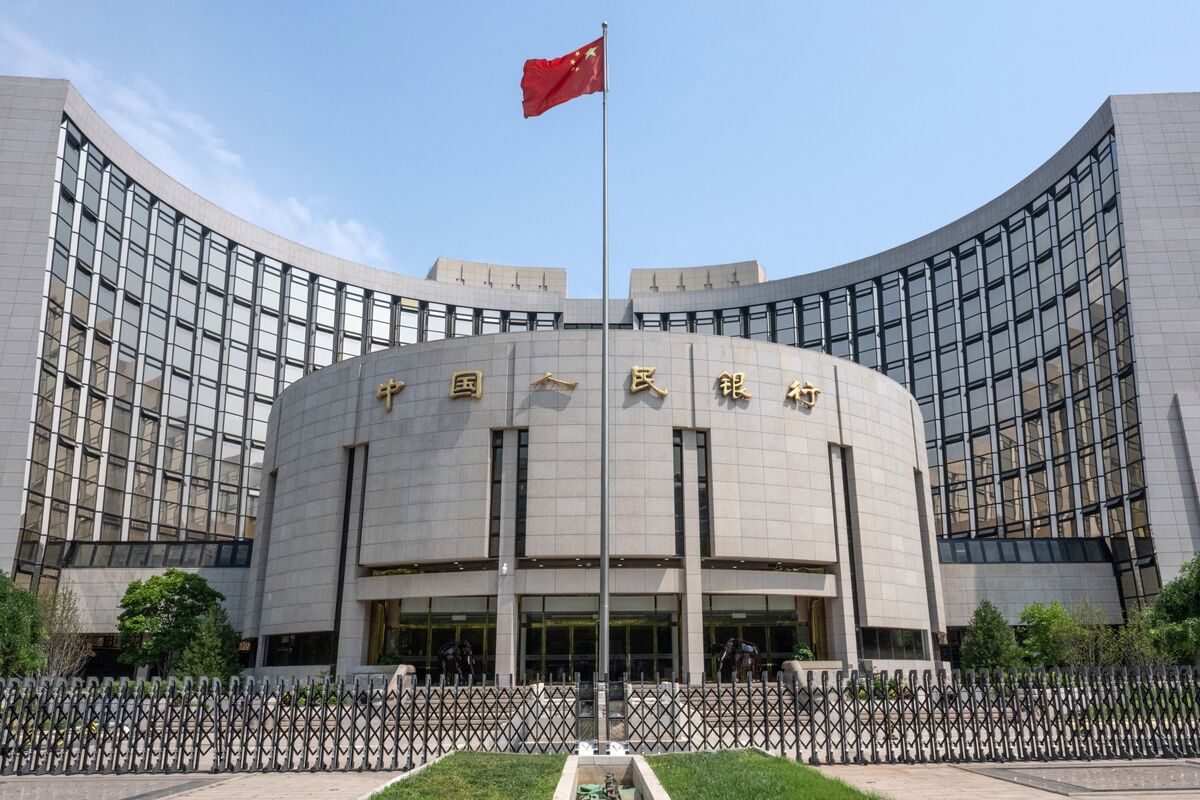
China's central bank, the People's Bank of China (PBOC), injected nearly 300 billion yuan ($42 billion) into the banking system via 14-day reverse repurchase agreements, a liquidity tool last used eight months ago, alongside 241 billion yuan through 7-day repos. This substantial liquidity injection aims to ensure ample cash supply and maintain financial stability ahead of the Golden Week public holiday, signaling a proactive measure to manage potential market demand.
The People's Bank of China (PBOC) has executed a significant liquidity injection totaling approximately 541 billion yuan ahead of the Golden Week holiday, signaling a proactive stance to ensure financial stability. This operation consists of a 241 billion yuan injection through standard 7-day reverse repos and a more notable 300 billion yuan ($42 billion) via 14-day reverse repurchase agreements. The revival of the 14-day tool, last utilized eight months ago in January, underscores the central bank's deliberate effort to manage potential cash demand spikes associated with the public holiday. This dovish action is aimed at flooding the banking system with cash to prevent any funding stress and maintain smooth market functioning.
AI-powered research, real-time alerts, and portfolio analytics for institutional investors.
Request DemoOverall Sentiment
mildly positive
Sentiment Score
0.30
