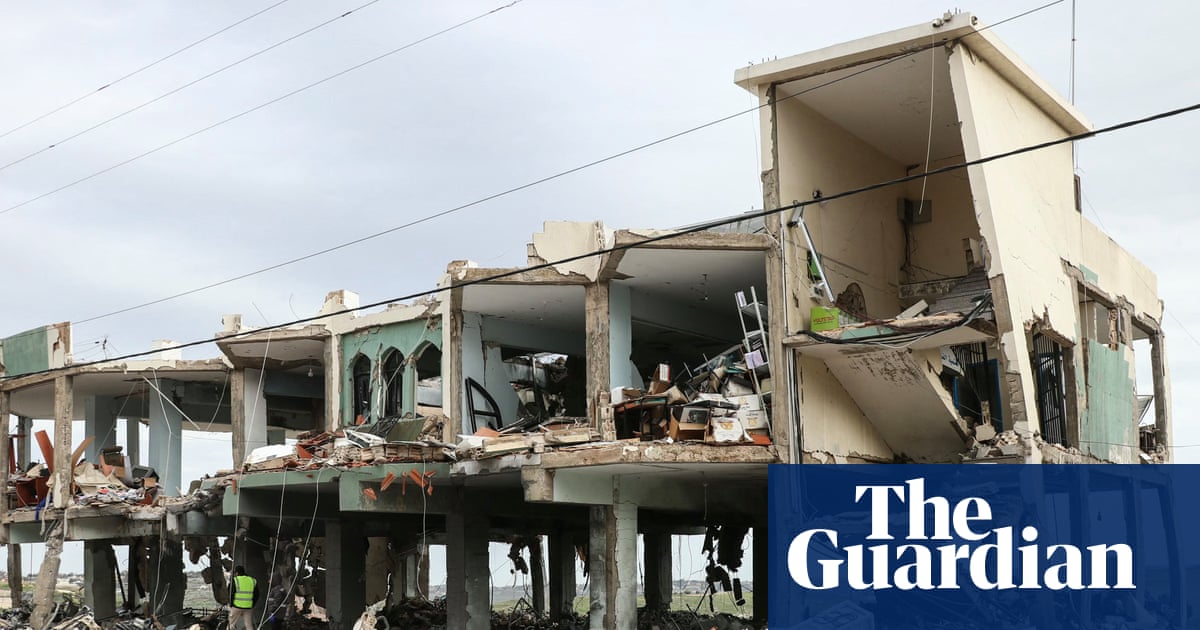
12 medical workers were killed when Israeli strikes hit a primary healthcare facility in Burj Qalaouiyah, bringing healthcare staff deaths to 31 over the past 12 days; Lebanese authorities say Israel has carried out at least 37 attacks on healthcare workers/facilities. The Lebanese health ministry reports at least 826 total deaths in Lebanon and roughly 1 million displaced; human rights groups and Lebanon condemn the strikes as violations of international humanitarian law and potential war crimes. Israel alleges Hezbollah is using ambulances and medical facilities for military purposes without providing credible evidence; the dispute, coupled with past ICC scrutiny of hospital-related claims, raises legal and humanitarian risks that could increase regional escalation and sector volatility.
The immediate market reaction will be a classic geopolitical risk-off: safe-haven flows into USD/Treasuries and gold, and widening credit spreads for locally exposed EM and regional banks. Expect this to compress risk appetite over days, then re-price longer-duration exposures (insurers, reinsurers, and regional sovereign debt) over 3–12 months as underwriting and capital models are updated for a higher-frequency conflict environment.
Defense primes and specialized logistics/medical-services vendors will see revenue visibility improve, but procurement lags mean cash-flow realization is a 6–18 month story; contract wins and award cadence matter more than headline risk spikes. Conversely, ephemeral strikes and legal accusations raise a persistent litigation and reputational tail risk that can impair bid pipelines and trigger contract cancellations — a material negative for firms with concentrated government-of-record exposure or complex export licensing chains.
Insurance and reinsurance pricing is the most actionable second-order effect: market hardening will begin in the next renewal season (3–9 months), not instantaneously, creating a window to buy select brokers and larger-cap reinsurers that can capture incremental margins. Shipping and port operators servicing the Eastern Mediterranean will face higher P&I and war-risk premia; freight cost pass-throughs could hit tight-margin logistics players within a quarter.
The legal trajectory (international inquiries, sanctions) is the key catalyst that could flip winners into losers; resolutions or de-escalation can reverse moves in weeks, while ICC/prosecutorial processes and underwriting cycles operate on multi-year timelines. Positioning should therefore blend short-duration, event-driven hedges with selectively sized, longer-duration exposure to structural winners in defense and insurance.
AI-powered research, real-time alerts, and portfolio analytics for institutional investors.
Request DemoOverall Sentiment
extremely negative
Sentiment Score
-0.95
