
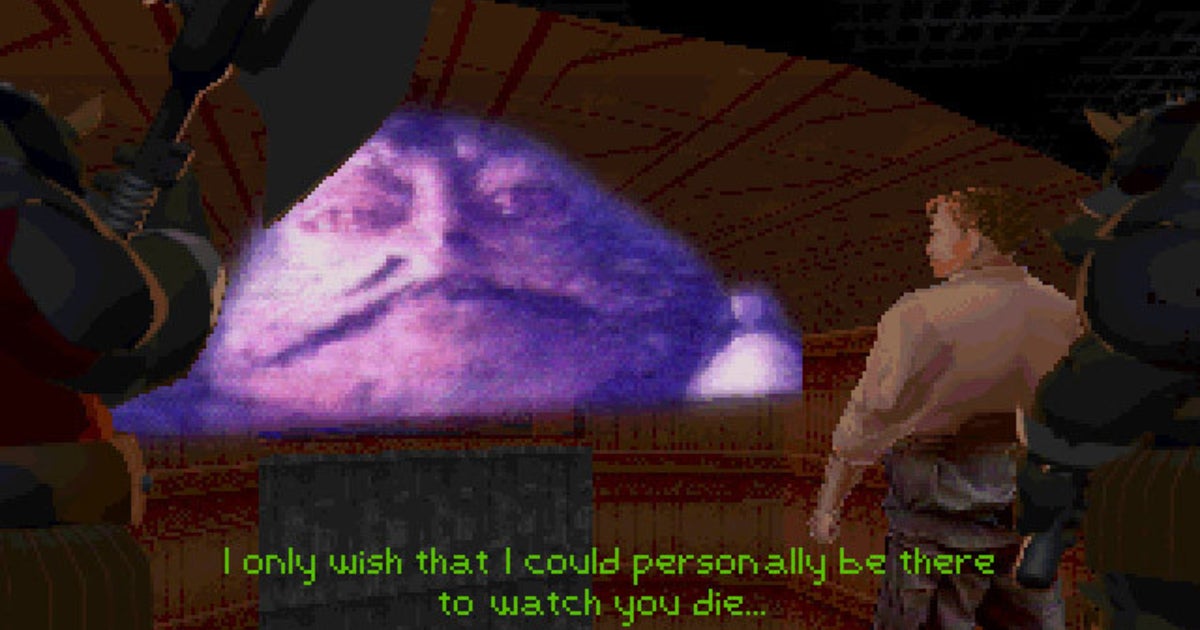
Disney-related games totaling 15 titles were delisted from Steam on April 14, including classics Star Wars: Dark Forces (1995), Outlaws (1997), and Disney's Chicken Little (2005). This is the second round of Disney game removals this year, after 14 titles were pulled in January, likely tied to licensing issues. The move is a modest negative for legacy Disney gaming IP, though the impact should be limited given the age of the titles and availability of remasters for some games.
This looks less like a one-off catalog clean-up and more like Disney tightening control over legacy IP economics before a broader monetization cycle. Delisting old titles reduces residual leakage from low-dollar tail sales, but the more important signal is that Disney is likely re-papering rights ahead of fresh licensing, remasters, or a game-service strategy where scattered legacy availability would dilute pricing power. The near-term beneficiary is whoever controls the cleanest re-release path, while consumers get pushed toward higher-ASP substitutes rather than cheap impulse purchases.
The second-order read is that this could be an attempt to clear legal ambiguity around third-party distribution before announcing new gaming initiatives. If Disney is preparing a licensed shooter or other live-service product, it benefits from eliminating old storefront conflicts and simplifying trademark, music, actor, and code rights that can otherwise create future injunction or royalty disputes. That makes this more relevant to the next 6-18 months than the next 6 days: the stock impact comes only if investors start extrapolating a more disciplined IP monetization regime into higher optionality for games and streaming-adjacent content.
The market may be underestimating the signaling effect for the broader media group: Disney is increasingly willing to sacrifice long-tail legacy sales to preserve future pricing and control. That is bullish for premium franchise monetization but mildly negative for consumer goodwill and catalog discoverability, especially if it becomes a pattern across Marvel/Star Wars backlists. The contrarian risk is that the delistings are simply mundane licensing expirations with no strategic content value, in which case any read-through to earnings power is overdone.
AI-powered research, real-time alerts, and portfolio analytics for institutional investors.
Request TrialOverall Sentiment
mildly negative
Sentiment Score
-0.15
Ticker Sentiment
