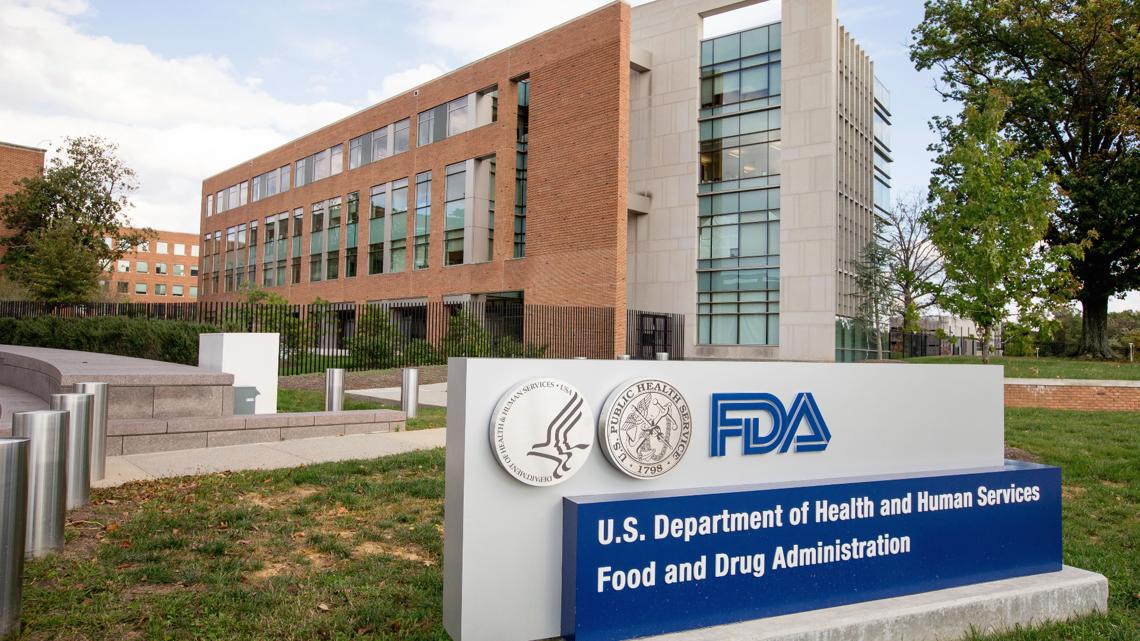
The FDA authorized the first fruit-flavored e-cigarettes, clearing four Glas products including mango, blueberry and two menthol variants under the names Gold, Sapphire, Classic Menthol and Fresh Menthol. The decision marks a meaningful policy shift after years of restrictions and could support adult-vape demand, though regulators stressed it is not an endorsement of vaping and warned about youth-access risks. The move is likely to be sector-moving for vaping companies and will face pushback from health advocates.
This is less a tobacco-policy headline than a signal that the regulatory regime is shifting from categorical prohibition toward controlled commercialization. The first-order beneficiary is any compliant nicotine platform with the ability to pass age-gating and PMTA-style scrutiny; the second-order winner is the broader “regulated premium” segment, because this raises the bar for distribution and likely widens the moat versus illicit disposables that cannot credibly advertise compliance. That dynamic should support the larger public nicotine incumbents more than small standalone vape brands, since they already own retail shelf access, lobbying bandwidth, and can absorb the compliance overhead.
The underappreciated issue is channel mix. If flavored authorization expands, a portion of adult demand may migrate from cigarettes and illicit vapes into legal flavored systems, but the margin pool likely shifts toward hardware-plus-pod ecosystems with recurring consumables rather than single-use disposables. That matters for supply chain: contract manufacturers, component suppliers, and distributors tied to legitimate channels could see volume normalization, while gray-market importers face higher enforcement risk if FDA now has a “safe” legal alternative to point to. The competitive outcome may therefore be less about total nicotine consumption and more about who can capture the adult switcher with verifiable compliance.
The main catalyst risk is political, not product-specific. Any youth-access controversy, enforcement failure, or media cycle around teen uptake could trigger a fast reversal in sentiment and tighter state-level restrictions over the next 1-3 months, even if federal authorization stands. Over a 6-12 month horizon, the bigger question is whether this becomes a template for further flavor approvals; if so, the market may be underpricing a gradual re-rating of legal vape economics versus combustible decline.
Contrarian take: the move may be less bullish for vape names than the headline suggests because permission is not distribution. The real constraint is retail availability, legal defensibility, and consumer trust, all of which take time to build. The best risk/reward is likely in diversified nicotine incumbents and select convenience-channel names that benefit from a gradual shift out of illicit product without needing the category to explode.
AI-powered research, real-time alerts, and portfolio analytics for institutional investors.
Request DemoOverall Sentiment
mildly positive
Sentiment Score
0.15
