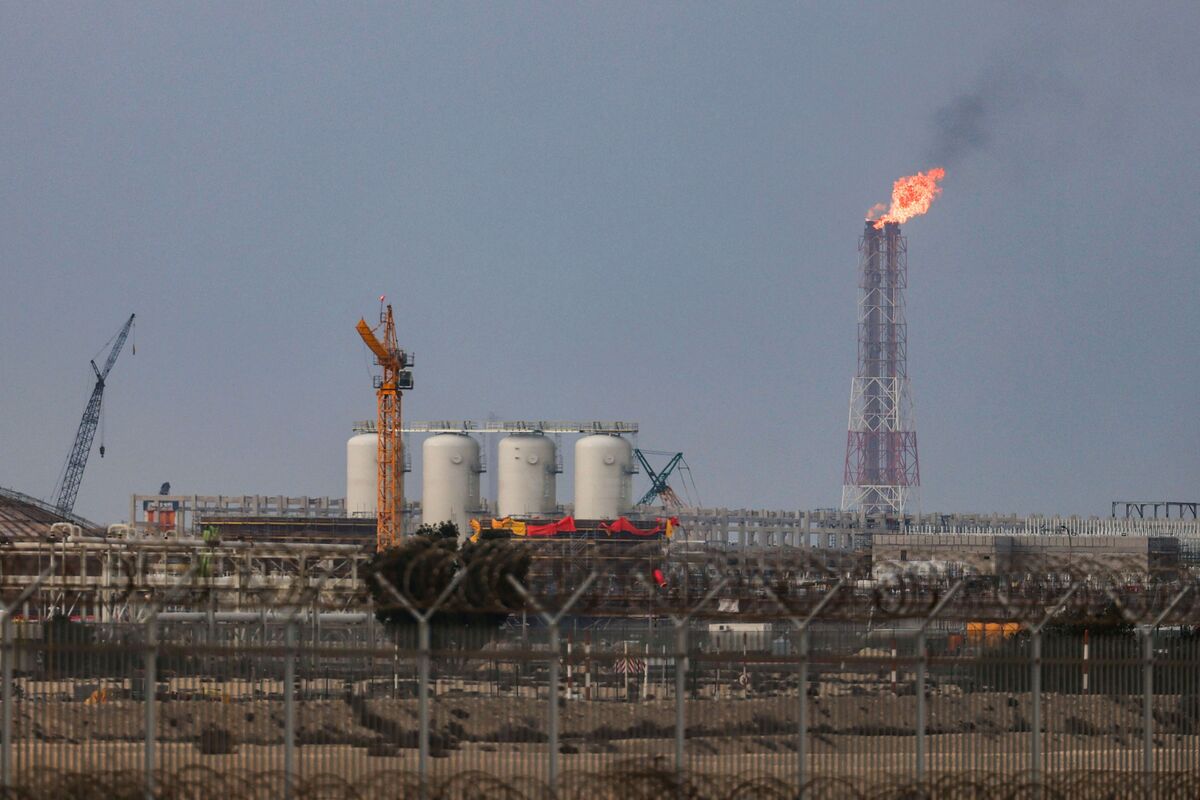
About a quarter of global seaborne oil trade and roughly 20% of liquefied natural gas supply are at risk after Iran has effectively blocked shipments through the Strait of Hormuz and targeted Gulf energy infrastructure; oil and gas prices have jumped since US and Israeli strikes. Expect elevated volatility, tighter physical markets, higher freight/insurance costs, and upside pressure on prices that could materially disrupt refiners, LNG buyers and shipping routes in the near term.
The acute disruption has an outsized logistics effect: longer voyage routing and insurance premiums function like an ad valorem tax on seaborne barrels and LNG cargos, adding the economic equivalent of roughly $1–3/barrel and $0.25–0.75/MMBtu to delivered costs on many east-west flows once you account for extra days, bunker burn, and war-risk surcharges. That margin leak cascades — refiners and commodity consumers on tight product cracks face immediate margin compression while sellers with destination-flexible contracts and storage capacity can arbitrage higher spot spreads.
Spot LNG economics are the choke-point for European and Asian gas balances over the next 3–9 months: liquefaction utilization is the binding constraint, so premium pricing will persist until additional cargoes are re-contracted or seasonal demand eases. Short-term shipping capacity is also the constraint — expect tanker and LNG-ship TCEs to spike in weeks, not months, because newbuilds and reflagging take much longer.
Policy and market catalysts dominate the risk calendar. Near-term reversal pathways include credible naval/security corridors or a rapid diplomatic ceasefire that normalizes insurance — these can knock premiums down inside 2–8 weeks. Structural responses (pipeline projects, long-term LNG contracts, storage builds) take 12–36 months to materially reduce the new baseline premium, so investors should separate tactical volatility plays from longer-horizon thematic exposures.
AI-powered research, real-time alerts, and portfolio analytics for institutional investors.
Overall Sentiment
strongly negative
Sentiment Score
-0.70
